Why Amazon Flagged Your Products as "Used" When They're New
The Products Are Brand New But Amazon Thinks Otherwise
One of the most frustrating things for Amazon sellers is seeing new products get flagged as used. The items may be factory sealed, sourced correctly, and shipped in proper packaging, but customers still complain that the product looked opened, damaged, incomplete, or not truly new.
That quickly becomes a serious problem because Amazon takes condition complaints very seriously.
Even a few complaints about products appearing used can lead to listing suppression, negative feedback, authenticity reviews, account health problems, and even suspension risk.
The important thing to understand is that Amazon usually does not flag products as used randomly. In most cases, something about the packaging, fulfillment process, product condition, or customer experience makes the item appear less than new.
Why Amazon Thinks New Products Are Used
Most “used sold as new” problems happen because the product arrives looking damaged, opened, incomplete, dirty, or different from what the buyer expected.
For example, damaged retail packaging, missing seals, scratches, fingerprints, worn corners, missing accessories, torn boxes, sticker residue, or repackaged items can all create complaints.
The same thing can happen if returned inventory gets mixed back into new inventory by mistake.
This is especially common with sellers who do not separate returned stock carefully or who rely on suppliers with weak quality control.
Amazon wants buyers to receive products that feel untouched and exactly as described.
If the item looks like someone else may have opened it first, the platform often treats that as a “used sold as new” issue.

The Biggest Mistake: Assuming The Product Itself Is The Only Problem
One of the biggest mistakes sellers make is focusing only on the product and ignoring the packaging around it.
For example, the item itself may be brand new, but if the outer box looks crushed, the seal is broken, or the packaging looks dirty, customers may still believe the item is used.
That becomes even more likely with electronics, beauty products, toys, supplements, and collectibles because buyers expect the packaging to look perfect.
The stronger approach is reviewing the full customer experience.
Look at the product, the retail packaging, the shipping box, the protective materials, the labels, and the condition when the order arrives.
Even if the product works perfectly, weak packaging can still create “used” complaints.
Why Returns Create So Many Problems
A lot of “used sold as new” complaints happen because returned inventory gets mixed into new stock.
For example, a customer buys a product, opens it, returns it, and then that same unit gets sent back out to another buyer without proper inspection.
That creates major risk.
Even if the product still works, Amazon customers expect “new” products to feel untouched.
This is why return inspection matters so much.
Products that come back opened, damaged, missing accessories, or with worn packaging should not be resold as new.
Why Suppliers And Prep Centers Matter
A lot of sellers assume the problem starts after the product reaches Amazon.
Sometimes the real issue starts much earlier.
Weak suppliers, poor prep centers, low-quality packaging, and damaged inventory during shipping can all create problems before the product ever reaches the buyer.
If suppliers send items with damaged packaging, broken seals, or poor storage conditions, the risk becomes much higher.
That is why supplier quality control matters.
Strong supplier checks, inventory photos, packaging inspections, and prep center reviews can all help reduce future complaints.
Why Better Systems Reduce Product Condition Problems
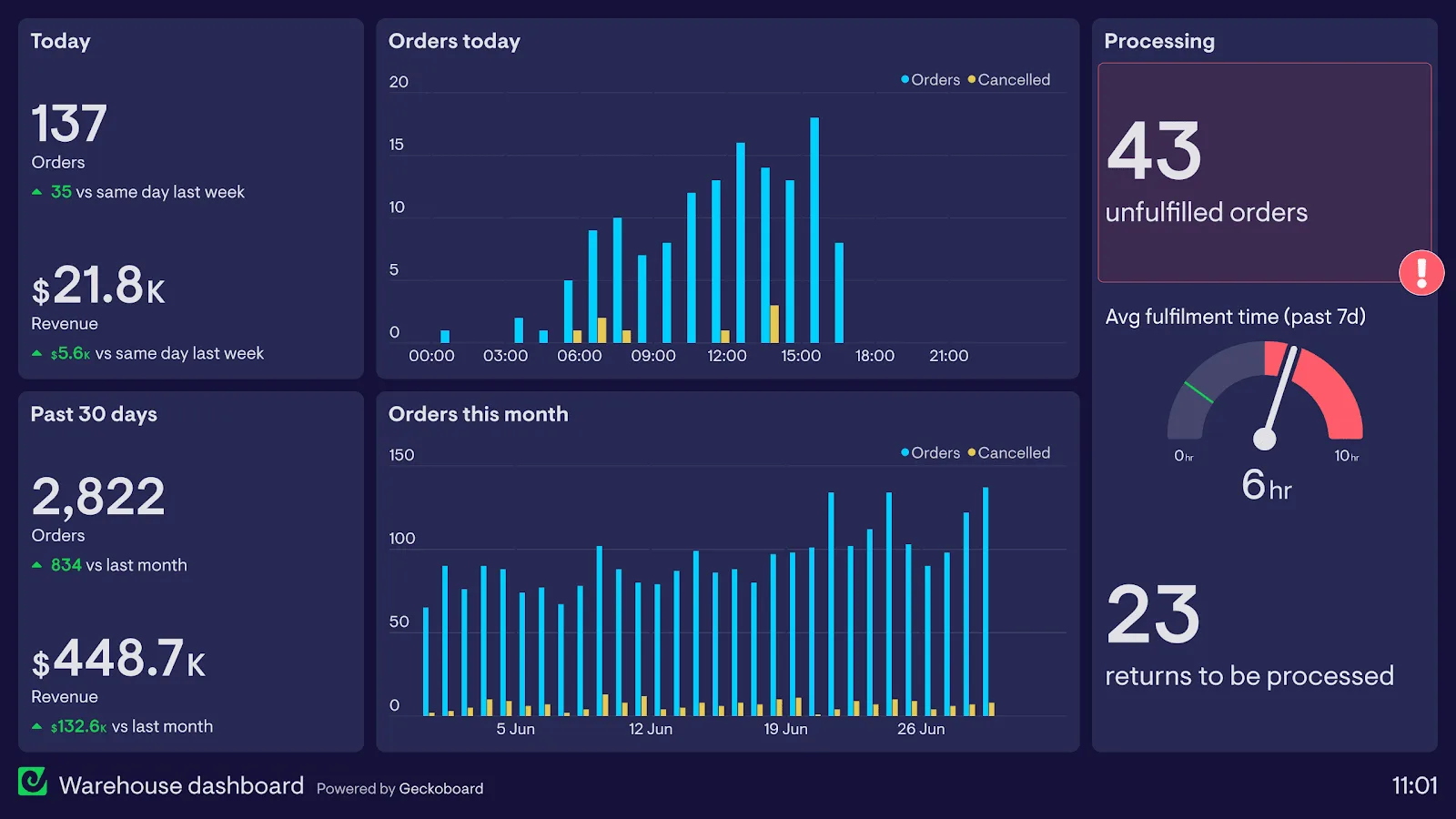
“Used sold as new” problems become much harder to manage when supplier notes, inventory records, return history, packaging reviews, and customer complaints are spread across different systems. You may have one place for supplier invoices, another for return tracking, another for warehouse notes, and another for customer complaints. That makes it difficult to see where the condition problem is really happening.
This is one of the reasons Appilot becomes useful when Amazon operations start scaling. Instead of keeping browser workflows, Android automations, supplier records, packaging notes, return history, customer complaints, and task logs spread across different systems, everything can stay visible from one dashboard. That makes it easier to review supplier quality, monitor returned inventory, organize packaging checks, and reduce “used sold as new” complaints across multiple Amazon accounts.
Conclusion: Amazon Usually Flags Products As Used When The Customer Experience Looks Less Than New
If Amazon flagged your products as used even though they are new, the issue is usually not that the platform randomly decided to punish the listing. The problem is often that the packaging looked damaged, returned inventory got mixed into new stock, or the product condition did not match customer expectations.
Once you improve packaging, inspect returns more carefully, strengthen supplier quality control, and organize inventory management better, it becomes much easier to reduce complaints and protect your Amazon account.