Why Amazon Suppressed Your Listing (And How to Fix It)
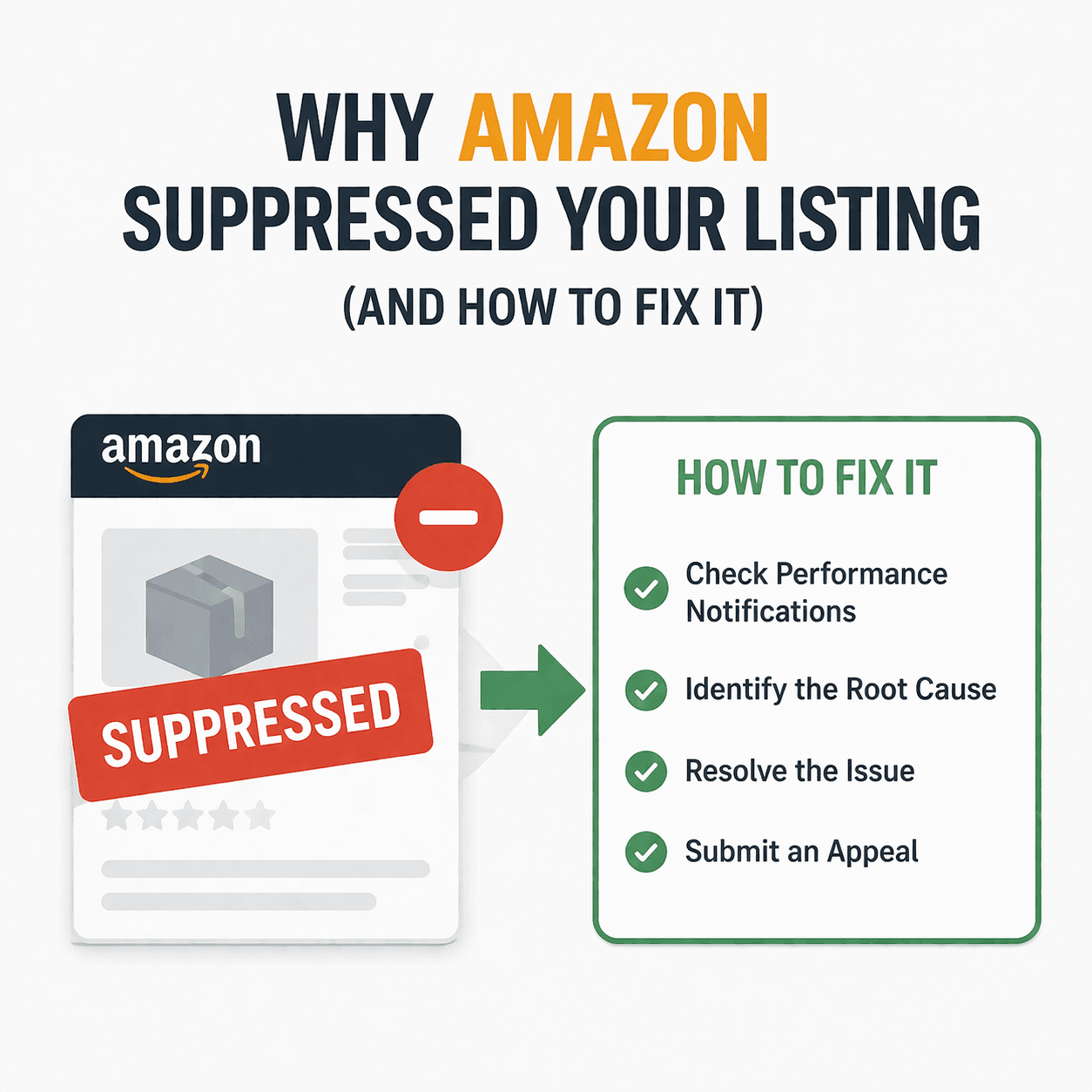
The Product Was Selling Fine Until It Suddenly Disappeared
One of the most frustrating things for Amazon sellers is when a listing suddenly stops getting traffic even though the product is still technically active.
The listing may still exist in Seller Central, but customers cannot find it properly in search results, key information may be missing, or Amazon may mark it as suppressed.
That usually leads to lower impressions, fewer clicks, and a sudden drop in sales.
This becomes especially confusing because Amazon often does not clearly explain every reason behind the suppression. Sometimes you get a warning about missing details. Other times the listing just quietly loses visibility.
The important thing to understand is that Amazon usually suppresses listings when important product information is missing, inaccurate, or does not meet marketplace standards.
Why Amazon Suppresses Listings
Most listing suppressions happen because the product page is incomplete.
For example, missing images, weak titles, no bullet points, missing descriptions, incorrect brand names, missing dimensions, wrong category placement, or incomplete variation data can all increase suppression risk.
The same thing can happen if the product violates category rules, uses restricted keywords, contains prohibited claims, or has inaccurate details.
Amazon wants product pages to feel complete, trustworthy, and useful for buyers.
If the listing looks weak or confusing, the platform often reduces visibility until the issues are fixed.
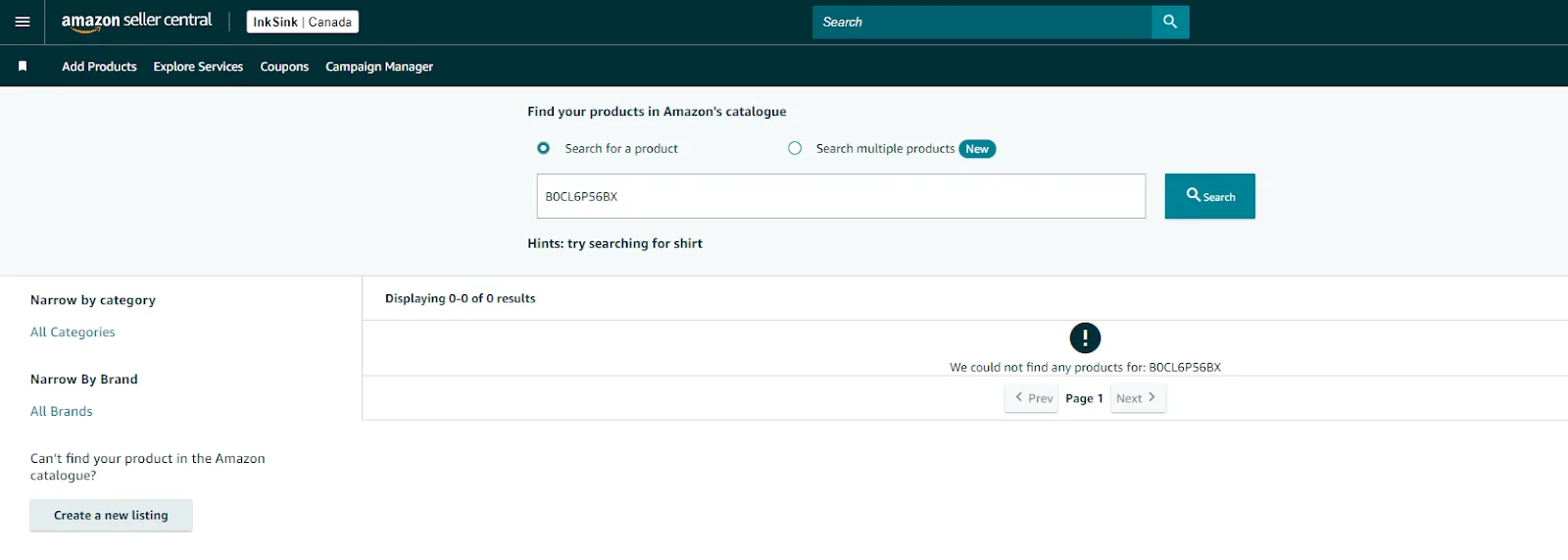
The Biggest Mistake: Only Fixing One Missing Field
One of the biggest mistakes sellers make is fixing only the exact field Amazon mentioned.
For example, if Amazon says the listing is missing an image, many sellers upload one image and assume the problem is solved.
That usually is not enough.
If the listing already has weak content overall, there may be multiple issues hurting visibility at the same time.
The stronger approach is reviewing the full listing carefully.
Check the title, images, bullet points, description, backend keywords, dimensions, category, brand name, variation setup, and product attributes.
Even if Amazon only mentions one missing field, there are often other hidden weaknesses affecting the listing.
Why Images Cause So Many Suppression Problems
Images are one of the biggest reasons listings get suppressed.
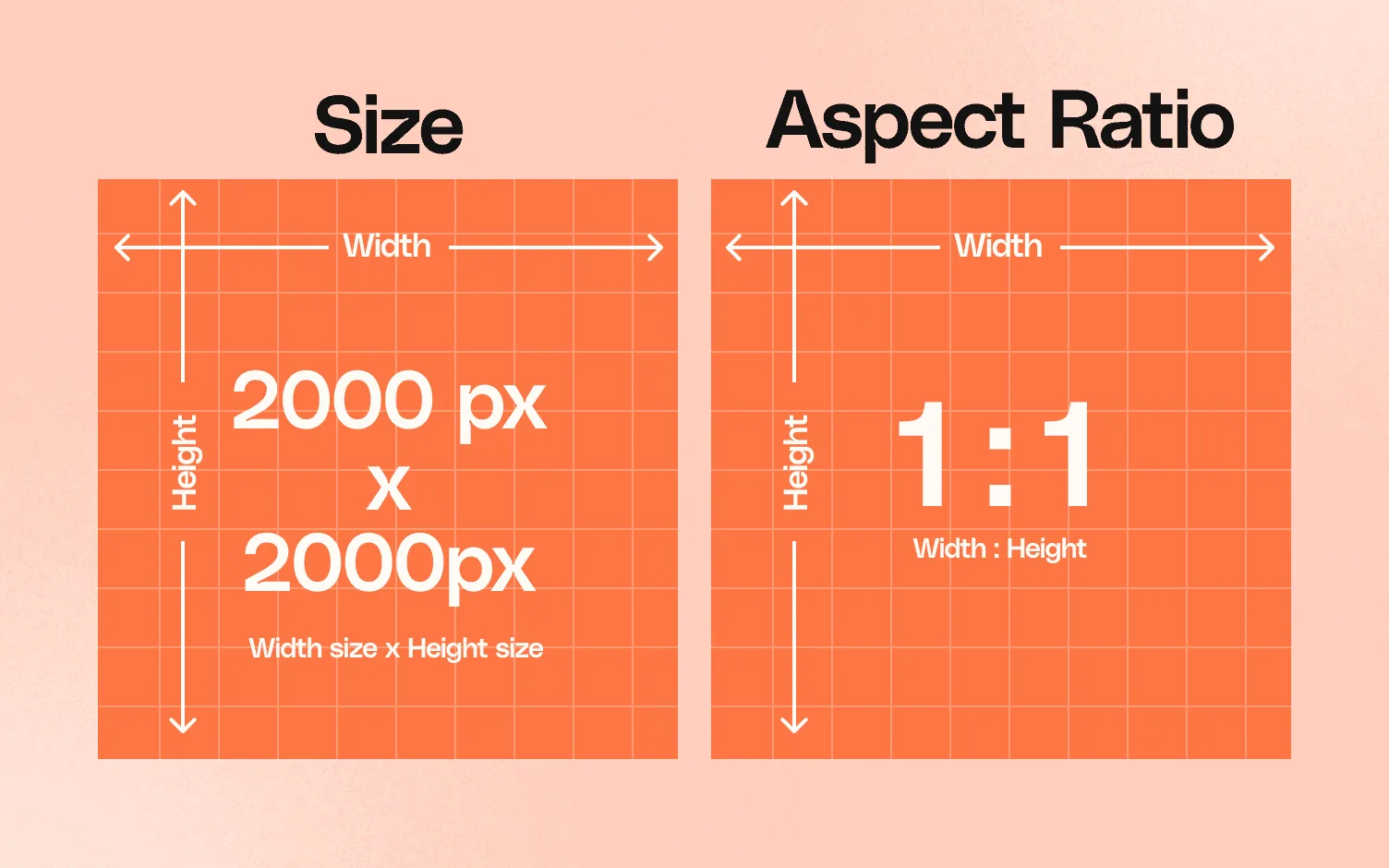
Amazon usually expects a clean main image with a white background, clear product visibility, and no extra text or graphics.
The same thing applies to secondary images.
If the images are blurry, low resolution, misleading, missing, or show restricted content, the listing becomes much more likely to lose visibility.
Strong images also help conversion rates.
Even if the listing is technically active, weak images can still hurt clicks and sales.
Why Titles And Keywords Matter
Amazon also suppresses listings when the titles or keywords look weak or misleading.
For example, titles that are too short, stuffed with keywords, include promotional claims, or use prohibited wording can create problems.
The same thing happens with backend search terms.
If the keywords are irrelevant, repetitive, or misleading, the listing may lose visibility.
The stronger approach is using clear product-focused titles and keywords that match what buyers are actually searching for.
Why Better Systems Reduce Listing Problems
Listing suppression problems become much harder to manage when product details, images, keywords, supplier notes, and account updates are spread across different systems. You may have one place for images, another for titles, another for keywords, and another for account alerts. That makes it difficult to see which listings are missing important information.
This is one of the reasons Appilot becomes useful when Amazon operations start scaling. Instead of keeping browser workflows, Android automations, product notes, image libraries, keyword research, account alerts, and task history spread across different systems, everything can stay visible from one dashboard. That makes it easier to monitor listing quality, review missing fields, organize product data, and reduce suppression problems across multiple Amazon accounts.
Conclusion: Amazon Usually Suppresses Listings That Look Incomplete Or Unclear
If Amazon suppressed your listing, the issue is usually not that the platform randomly decided to hide the product. The problem is often that important information is missing, the images are weak, the keywords are poor, or the listing does not meet Amazon standards.
Once you improve the content, complete the missing fields, strengthen the images, and review the listing more carefully, it becomes much easier to restore visibility and recover sales.