Why Automation Made Your Brand Feel Less Authentic
Automation Made Things Faster But Something Feels Off
At first, automation feels like a huge improvement because it helps you post more consistently, manage more accounts, publish more content, and keep everything organized without constantly doing the work manually.
Then eventually something starts to feel wrong.
The content is going out on time. The workflows are running. The posts are consistent.
But the brand no longer feels the same.
It feels flatter. More generic. Less human.
The personality that used to make the brand stand out starts fading away. The content becomes more predictable, more repetitive, and less connected to the audience.
That is one of the biggest hidden problems in automation because the system can look more organized while the brand itself slowly becomes weaker.
The issue is usually not that automation is bad.
The problem is that most people automate the exact parts of the brand that should still feel human.
Why Brands Lose Authenticity After Automation
Most brands become less authentic when the content starts sounding too similar.
The same hooks appear repeatedly. The same tone keeps showing up. The same types of images get reused. The same content structures repeat over and over again.
Eventually, the brand starts sounding like a template instead of a real personality.
That is when people stop feeling connected to it.
A lot of automated brands also become too careful.
They stop sounding opinionated. They stop sounding emotional. They stop sounding specific.
The content becomes safe, generic, and neutral because the system is trying to create something that works everywhere.
The problem is that generic content rarely feels authentic.
Real brands usually have opinions, frustrations, preferences, stories, humor, and specific ways of speaking.
Without those things, the content feels empty.
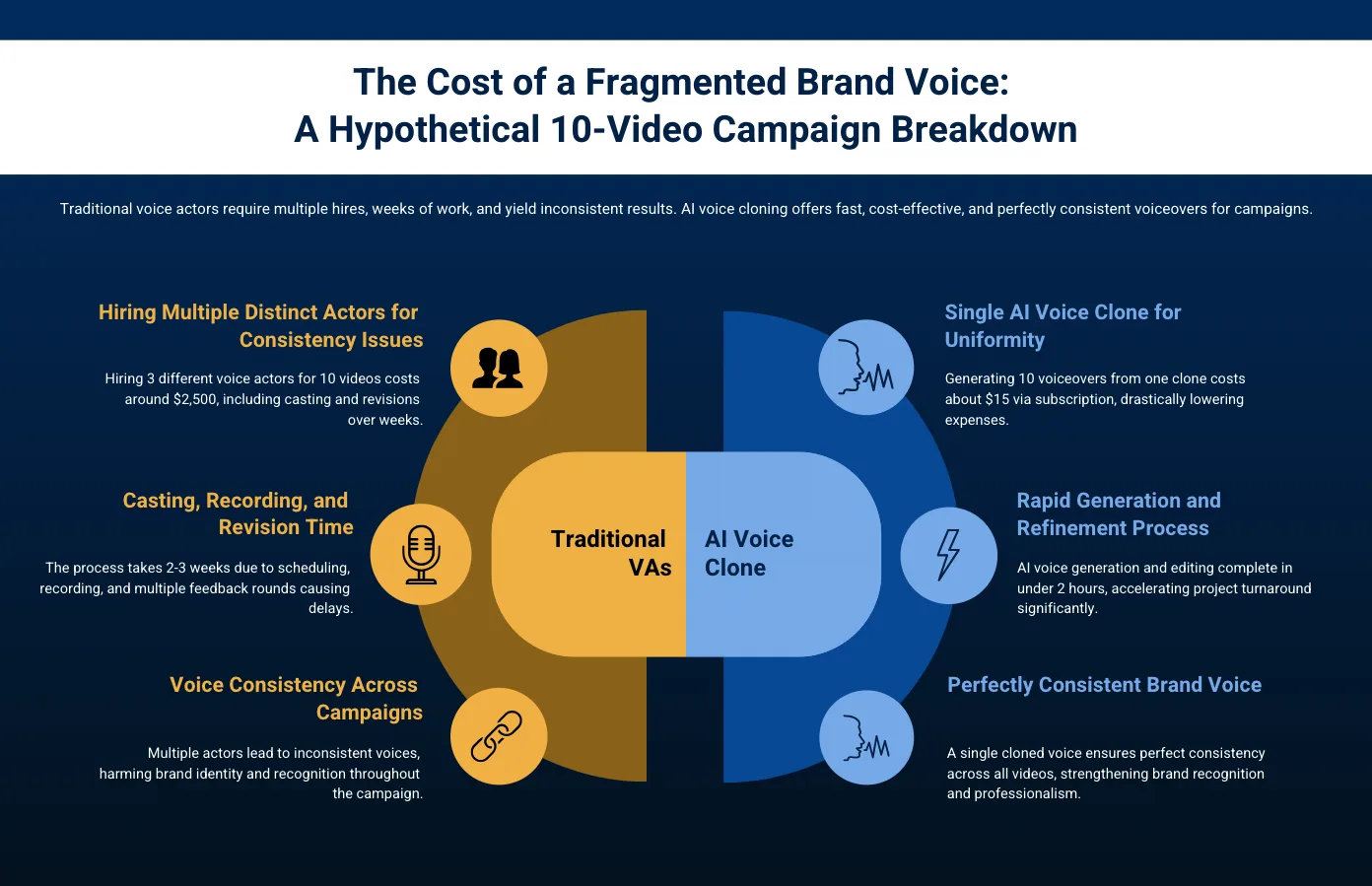
The Biggest Mistake: Automating The Brand Voice Instead Of The Workflow
One of the biggest reasons brands lose authenticity is because people automate too much of the voice itself.
They do not just automate scheduling, publishing, browser tasks, or workflow management.
They automate the tone, the wording, the personality, the structure, and the emotional style of the brand.
That is when the content stops feeling real.
People do not connect with brands because the content is perfectly optimized.
They connect because the content feels human.
That means automation should happen behind the scenes.
The scheduling can be automated.
The browser workflows can be automated.
The content calendar can be automated.
The reporting can be automated.
But the brand voice should still feel alive.
It should still sound like a real person with real opinions, frustrations, stories, and experiences.
Why Repetition Slowly Damages Trust
One of the biggest problems with over-automation is repetition.
If every post sounds the same, people eventually stop paying attention.
The audience may not consciously notice why the content feels weaker, but they can feel that something changed.
The content starts feeling less spontaneous, less interesting, and less personal.
That slowly damages trust because the audience stops feeling like there is a real person behind the account.
The easiest way to fix this is by adding more variation back into the system.
Rotate content formats. Change the style of hooks. Use different sentence lengths. Mix in stronger opinions, more specific examples, short stories, frustrations, quick observations, and more direct language.
That variation is what makes a brand feel human.
The System That Makes Automation Feel More Authentic
The easiest way to protect brand authenticity is to separate the workflow from the personality.
You should automate the repetitive tasks like scheduling, publishing, browser workflows, account management, and reporting.
But you should still keep manual control over the tone, the messaging, the opinions, and the overall style of the brand.
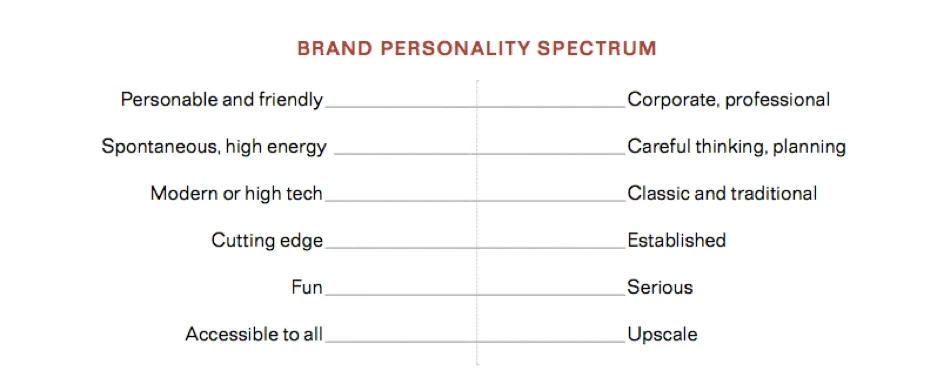
Another important step is creating a brand voice guide.
That guide should explain how the brand speaks, what type of language it uses, what it believes, what it avoids, and what makes it feel different.
That way, even if automation is handling the repetitive work, the content still stays consistent with the brand personality.
Why Centralization Makes This Easier
It becomes much harder to protect brand authenticity when browser profiles, Android workflows, schedules, content drafts, account notes, and posting history are spread across different systems.
You lose track of which tone belongs to which account, which styles are becoming repetitive, and which parts of the brand are starting to feel generic.
This is one of the reasons Appilot becomes useful when brand operations start scaling.
Instead of keeping browser profiles, Android workflows, schedules, account notes, content tasks, and posting history spread across multiple systems, everything can stay visible from one dashboard. That makes it easier to keep the brand organized, spot repetitive patterns, and make sure the content still feels authentic across every account.
Conclusion: Automation Should Support Your Brand, Not Replace It
If automation made your brand feel less authentic, the issue is usually not the automation itself.
The problem is that the system started replacing the personality, tone, and uniqueness that made the brand feel human in the first place.
Once you automate the repetitive work while keeping control over the voice, opinions, and messaging, the brand becomes much easier to scale without losing what makes it feel real.
That is what allows you to stay efficient without making the brand feel generic or robotic.