Why Automation Stress Is Worse Than Manual Work (And the Fix)
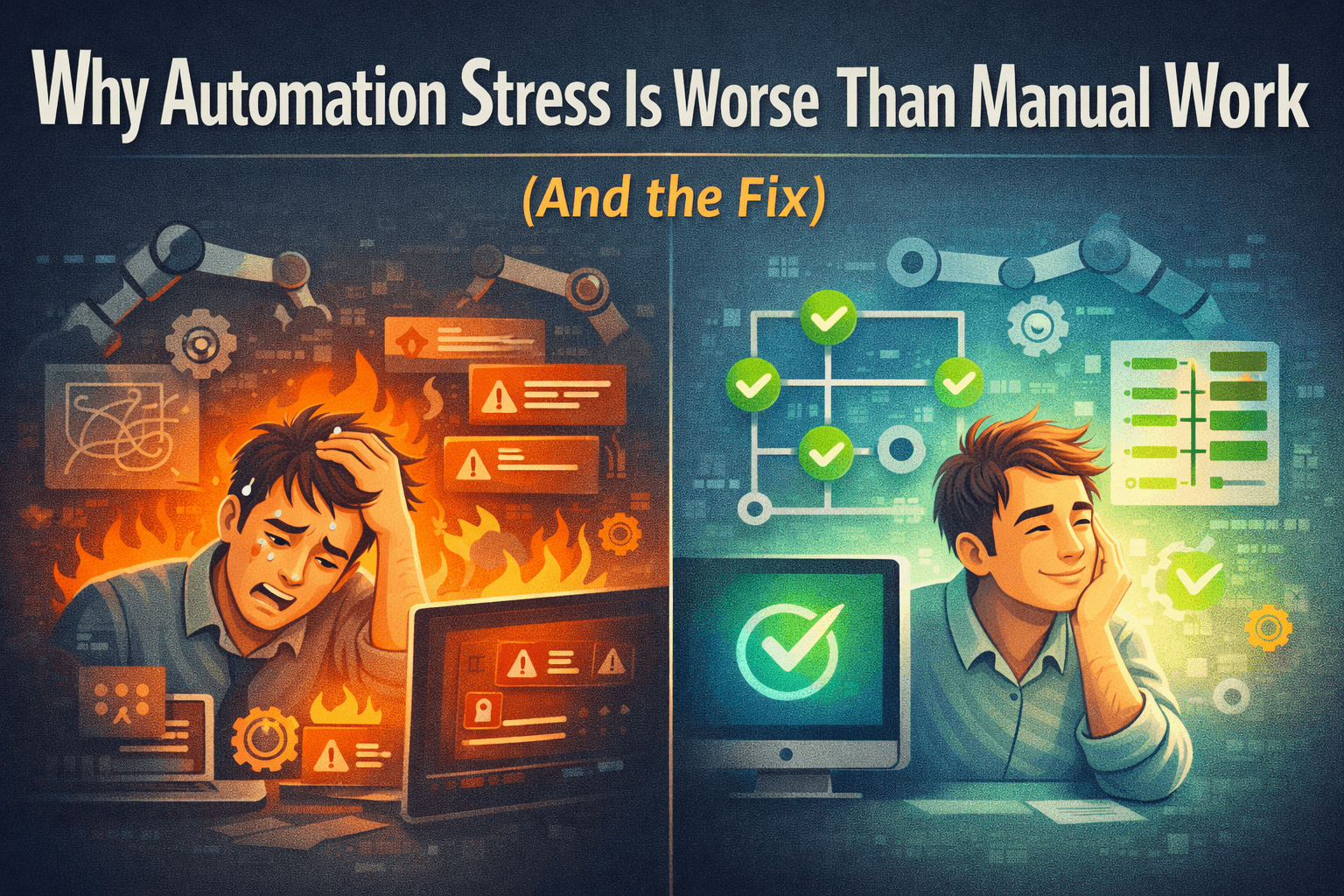
Automation is supposed to make life easier, reduce workload, and free up your time, yet for many people, it does the opposite, creating a different kind of stress that feels harder to manage than manual work ever did.
Instead of doing tasks yourself, you are now constantly thinking about whether the system is working, whether something broke, whether accounts are safe, whether workflows are running correctly, and whether you need to step in before something goes wrong.
Manual work is exhausting, but it is predictable, you know what needs to be done and you can see progress directly, whereas automation introduces uncertainty, because you are no longer in direct control of every action.
This uncertainty creates a mental load that does not go away, even when you are not actively working, because part of your attention is always tied to the system, waiting for something to happen.
You might find yourself checking dashboards, reviewing logs, or thinking about potential issues even during breaks, which makes it feel like you are never fully off.
You are not alone in this, and more importantly, this is not because automation is flawed, but because most automation systems are not designed to be trusted.
The good news is that once you understand why automation creates stress and how to redesign your system, you can turn it into what it was meant to be, a tool that reduces stress rather than amplifies it.
Why Automation Feels More Stressful Than Manual Work
The stress does not come from the work itself, but from the lack of certainty and control.
You Lose Direct Visibility
With manual work, you see every step, but with automation, much of the process happens in the background, making it harder to know what is happening at any given moment.
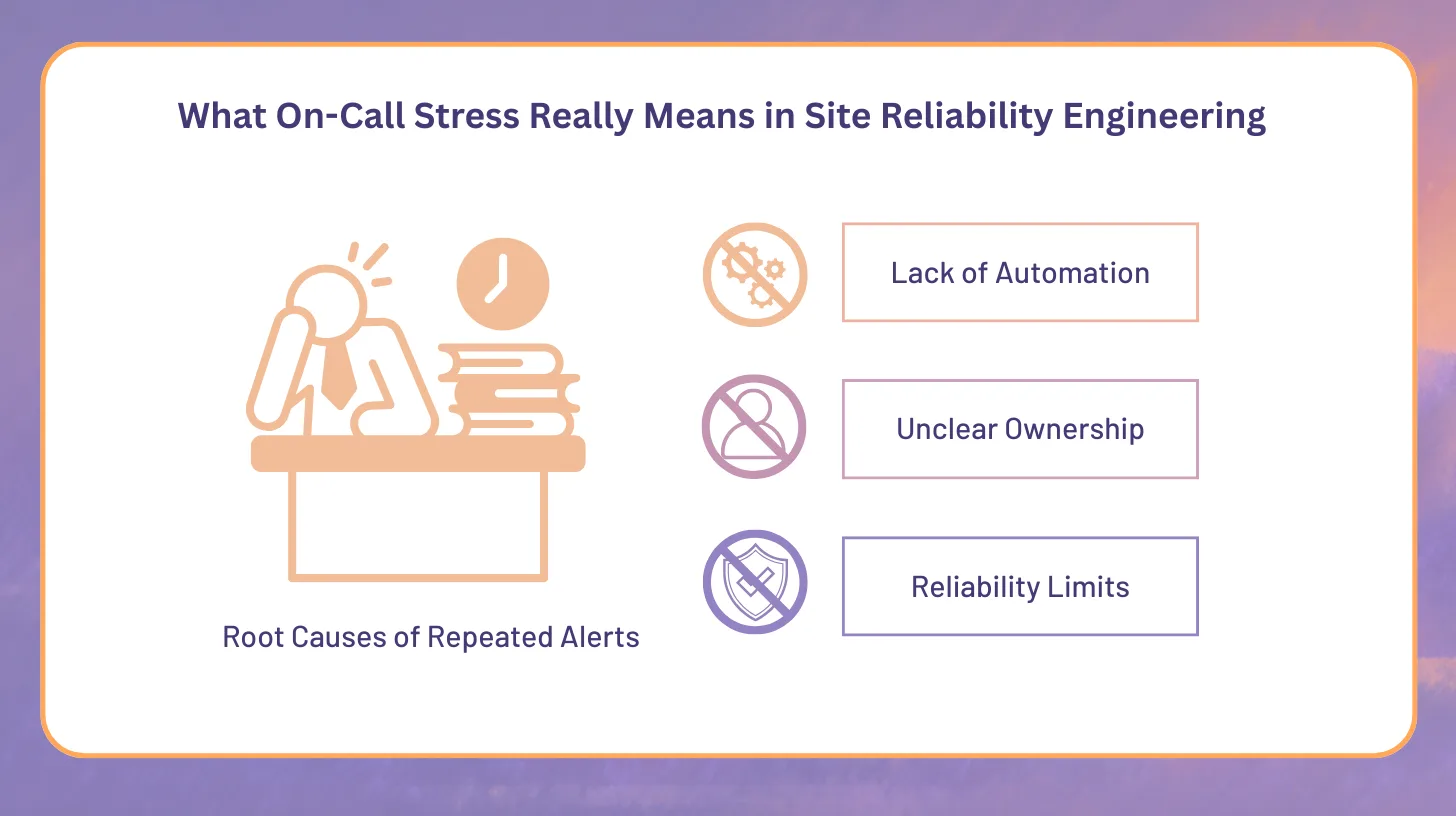
Failures Are Less Predictable
When something breaks in manual work, you notice it immediately, but automation failures can be silent or delayed, creating uncertainty.
Responsibility Doesn’t Go Away
Even though tasks are automated, you are still responsible for the outcome, which means you carry the same pressure without the same level of control.
Systems Are Not Fully Reliable
If your automation fails occasionally, it creates a lack of trust, which leads to constant monitoring and stress.
The Hidden Cost of Automation Stress
Automation stress does not just affect productivity, it affects how you think, work, and make decisions.
You may become overly cautious, hesitant to scale, or constantly distracted by the need to monitor your system.
This reduces the benefits of automation and can even make it feel worse than manual work.
More importantly, it prevents you from stepping away, because you do not trust your system to run independently.
The Complete Solution: Build Automation You Can Trust
Fixing automation stress requires shifting from fragile systems to reliable ones that provide clarity and control.
The first step is improving visibility, ensuring that your system clearly shows what is happening, what has completed, and what requires attention, so that you do not need to guess.
The next step is implementing clear success and failure signals, so that you are notified only when something needs your input, rather than constantly checking.
Reliability is the foundation of trust, and this depends heavily on how your automation is executed, because unstable environments create more failures and more stress.
This is where using a stable execution layer becomes important, and platforms like Appilot help by running automation on real devices, reducing inconsistencies and making workflows more predictable.
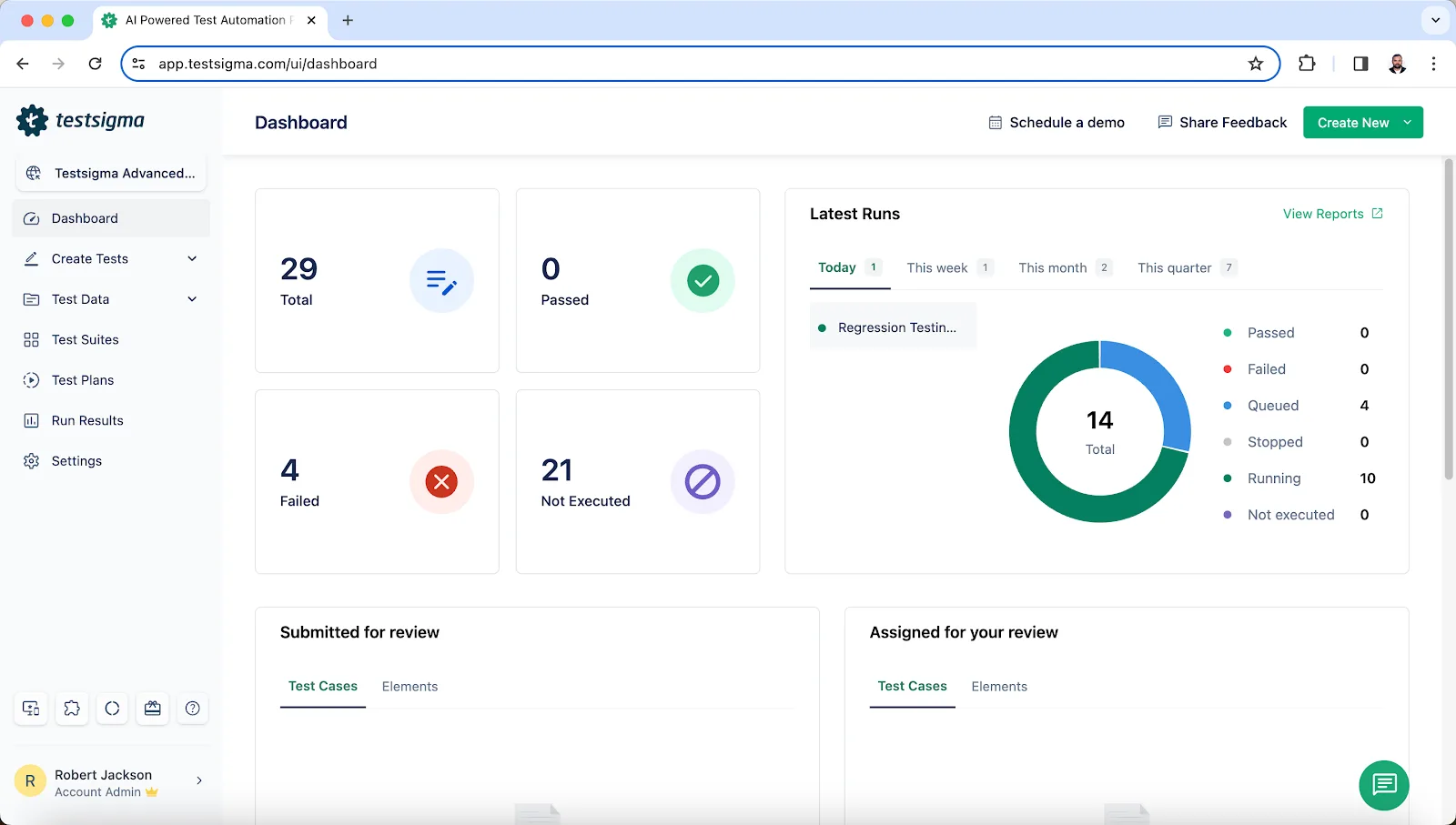
By combining visibility, reliability, and clear communication, you create a system where you do not need to think about it constantly, because you trust that it will either work or notify you when it does not.
The final step is gradually reducing your involvement, allowing the system to prove its reliability over time.
How to Prevent Automation Stress From Coming Back
Prevention starts with maintaining a system that prioritizes clarity and reliability, ensuring that automation remains predictable and manageable.
Regular reviews help you confirm that everything is working as expected without needing constant monitoring.
Automation should reduce mental load, not increase it, which means designing it in a way that minimizes uncertainty.
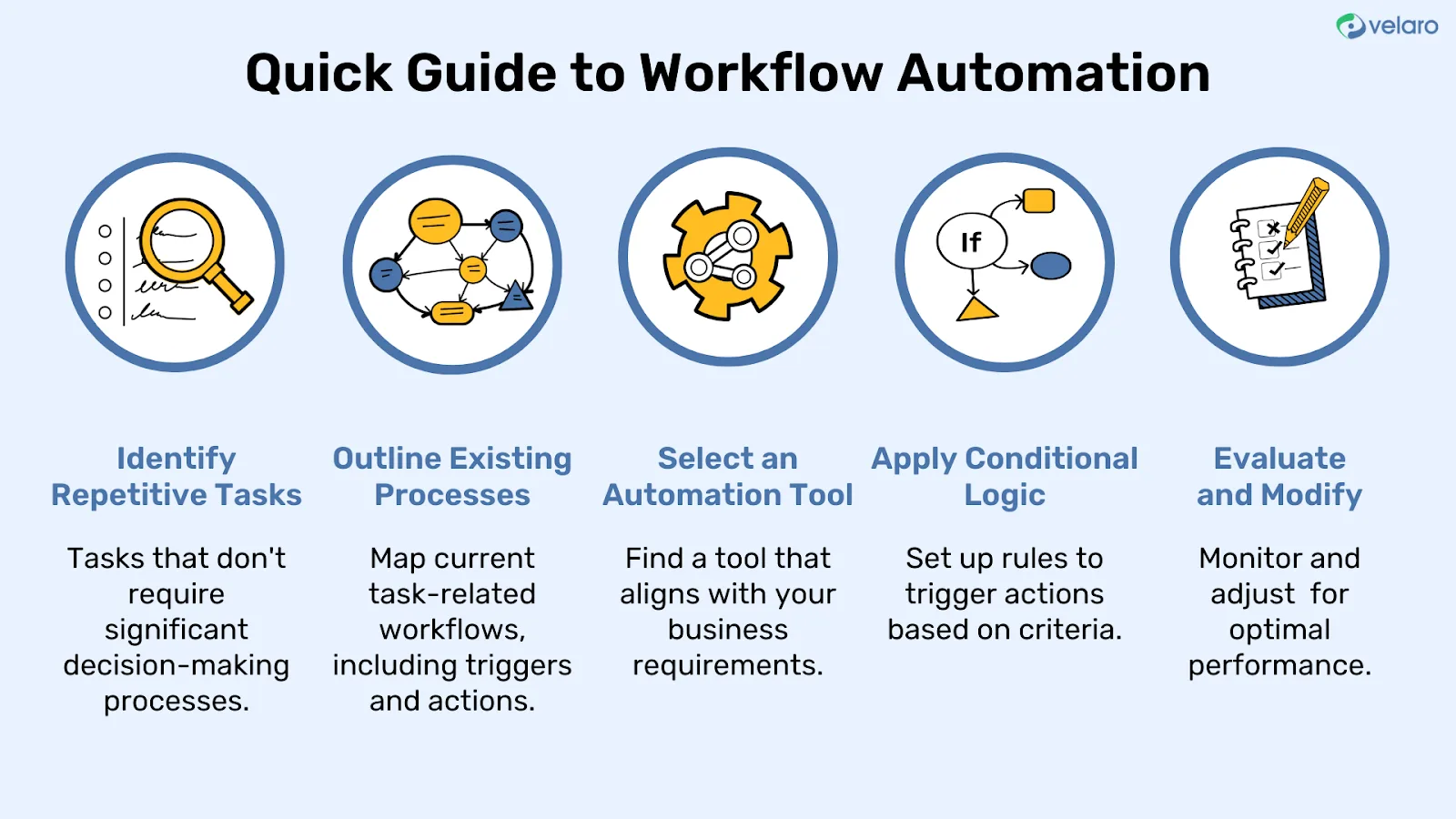
Common Mistakes That Make Automation Stress Worse
One of the most common mistakes is building complex systems without proper monitoring, which increases uncertainty.
Another is ignoring small failures, which can grow into larger issues and reduce trust.
There is also a tendency to overcomplicate workflows, making them harder to manage and maintain.
Real Success Stories: Before and After
A user who automated multiple workflows found themselves more stressed than before, constantly checking their system and worrying about failures.
After restructuring their setup and using Appilot for more stable execution, they were able to reduce stress and trust their system.
Another example involved a team that struggled with automation reliability, but after improving visibility and monitoring, they achieved a more manageable and efficient workflow.
Frequently Asked Questions
One common question is whether automation should eliminate stress completely, and while some level of oversight is always needed, it should not create constant anxiety.
Another question is how long it takes to build trust in automation, and this depends on system reliability and consistency.
There is also the concern about complexity, and well-designed systems simplify operations rather than complicate them.
Conclusion: Make Automation Work for You
If automation feels more stressful than manual work, it is not because automation is the problem, but because your system is not designed to support you properly.
Once you build a system that is visible, reliable, and responsive, automation becomes what it was meant to be, a tool that reduces effort and increases freedom.
If you are dealing with this right now, the best step forward is not to abandon automation, but to redesign it, because once you do, the stress disappears and the benefits become clear.