Why Clients Keep Leaving After 3 Months (And How to Fix It)

Everything Feels Fine… Until Month Three
The first few weeks always feel smooth. The client is excited, communication is frequent, expectations are clear, and the work feels aligned with what was promised. You deliver consistently, they respond positively, and it seems like the relationship is moving in the right direction.
Then something shifts. It is not always obvious at first, but the tone changes. Messages become shorter, feedback becomes less frequent, and the sense of momentum begins to fade. By the end of the third month, you either get a vague message about “going in a different direction” or the engagement simply slows down until it disappears.
What makes this pattern frustrating is that it repeats. Different clients, similar timeline, same outcome. It starts to feel like a coincidence, but it is not. There is a structural reason why this happens, and until you address it directly, it will continue regardless of how good your service actually is.
Why Clients Leave Around the 3-Month Mark
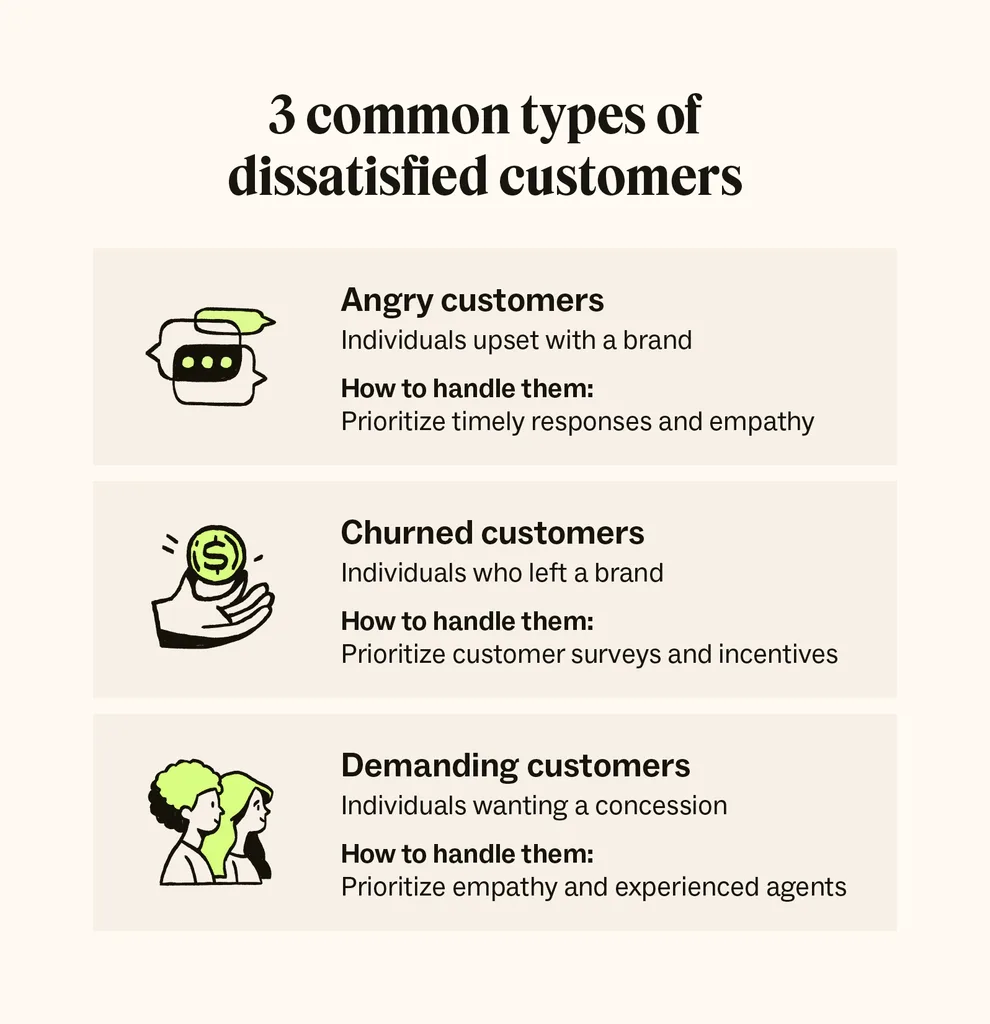
Most people assume clients leave because results are not strong enough, but in many cases, the real issue is not performance, it is perception and structure.
The first reason is the expectation gap. In the beginning, clients are sold on outcomes, growth, engagement, or scale, but the day-to-day experience often feels like execution without visible progress. Even if results are happening, they are not always presented in a way that reinforces value.
The second reason is visibility fatigue. Early on, communication is high, but over time it becomes inconsistent. Clients start feeling disconnected from the work, which leads to uncertainty about what is actually being done.
The third reason is lack of systemized delivery. When workflows depend on manual execution, variation starts to appear. Some weeks feel strong, others feel slower, and this inconsistency creates doubt about reliability.
The fourth reason is declining perceived momentum. Clients need to feel like things are progressing. If the workflow does not show clear forward movement, even steady work can feel stagnant.
The Hidden Cost of Losing Clients at 3 Months
Losing clients at this stage is not just about lost revenue, it is about broken growth.
You invest time onboarding, setting up workflows, and building initial momentum, only to lose the relationship before it compounds into long-term value. This means you are constantly restarting instead of building on existing progress.
There is also a reputational cost. Even if clients leave quietly, the pattern affects how your service is perceived over time, especially if retention becomes inconsistent.
From an operational perspective, this creates instability. Instead of predictable growth, you are dealing with cycles of acquisition and churn, which makes scaling harder.
The emotional cost is just as real. Repeating this cycle creates doubt, even when you know the work itself is solid.
The Real Problem: Your Delivery Feels Invisible
The core issue is not that you are not delivering value, it is that your delivery is not continuously visible.
In the first month, visibility is high because communication is frequent and everything feels new. By the second month, the process becomes routine, and by the third month, the client no longer sees the effort behind the work.
When work is not visible, it becomes easy to question it. Even consistent execution can feel like inactivity if there is no clear signal of progress.
What you need is not more work, but a system where the work is always visible and measurable.
The Complete Solution: Turn Delivery Into a Continuous Signal
The only way to fix this permanently is to make your delivery consistently visible and structured so that clients never have to question what is happening.
The first step is stabilizing execution. Your workflows need to produce consistent output so that clients experience reliability rather than variation.
The second step is structuring delivery. Instead of relying on manual updates, you create a system where progress is reflected automatically through your workflow.
The third step is connecting execution with visibility. Instead of doing the work and then explaining it, the system itself becomes the proof of work.
This is where most teams struggle, because maintaining consistent execution and visibility manually requires coordination, tracking, and reliable environments.
This is also where tools like Appilot become relevant.
Instead of relying on scattered workflows, Appilot allows you to run structured automation on real devices through a centralized system, which ensures consistent execution while also making activity inherently trackable.
You could attempt to build similar systems using custom tools or scripts, but maintaining reliability at scale becomes complex. Appilot simplifies this by handling the execution layer, allowing you to focus on delivering results while maintaining consistent visibility.
The key shift is moving from invisible effort to visible systems.
Why Visibility and Consistency Improve Retention
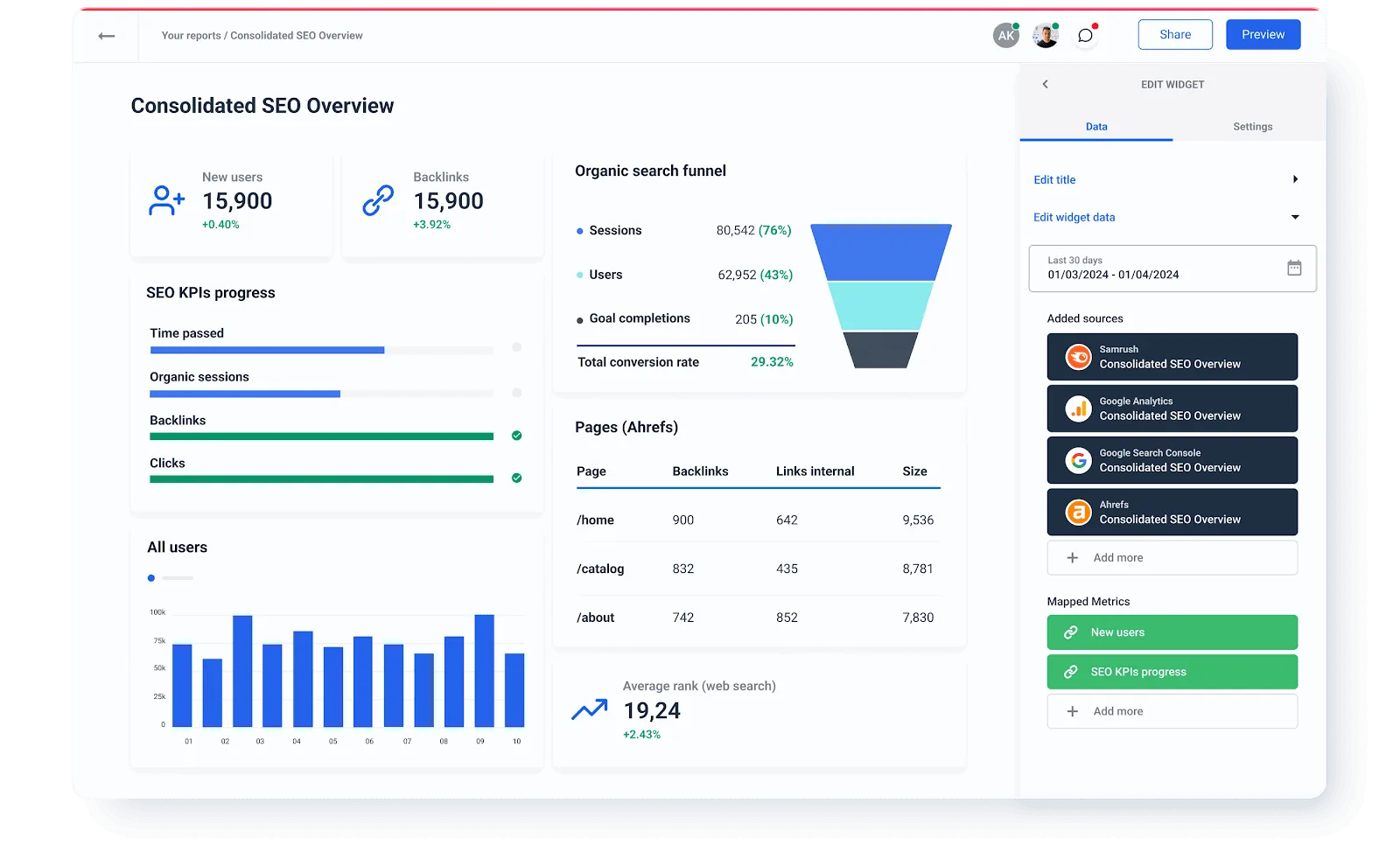
Once your delivery becomes visible and consistent, the client experience changes completely.
Clients no longer rely on periodic updates to understand progress, because they can see it continuously. This removes uncertainty and builds confidence in your process.
Consistency reinforces trust. When output follows a predictable pattern, clients feel that the system is reliable.
Momentum becomes clear. Instead of wondering what is happening, clients see ongoing activity and progression.
Most importantly, the relationship shifts from reactive communication to proactive confidence.
How to Prevent This From Happening Again
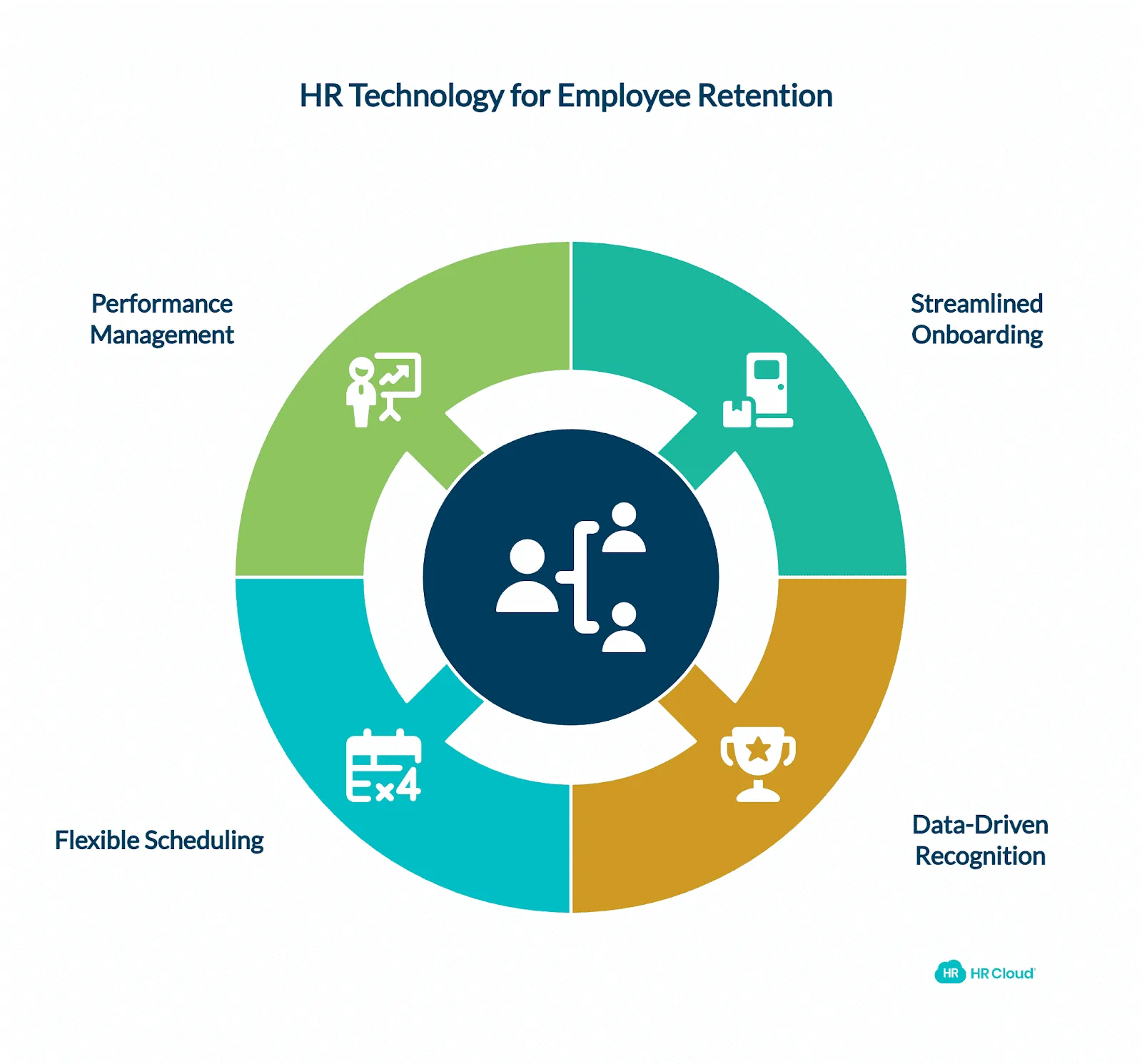
Fixing retention once is not enough. You need to maintain the structure that supports it.
You ensure that all workflows are executed through systems that maintain consistency, rather than relying on manual processes that can vary.
You monitor client experience, not just results, ensuring that visibility and communication remain aligned with expectations.
You refine your processes continuously, ensuring that your system evolves as your client base grows.
Common Mistakes That Make This Worse
One of the most common mistakes is focusing only on results while ignoring how those results are presented and perceived.
Another mistake is reducing communication without replacing it with structured visibility, which creates gaps in the client experience.
Some teams rely on inconsistent workflows, which leads to variation in delivery and reduces trust.
The most critical mistake is assuming that client churn is unavoidable, when it is often a direct result of how delivery is structured.
Conclusion: Clients Leave When They Stop Seeing Progress
If clients consistently leave after three months, it is not because they suddenly stop needing your service, it is because they stop seeing the value of it.
Once you make your delivery visible, consistent, and structured, the pattern changes because clients no longer have to guess what is happening.
You can continue trying to fix this through better communication, but as you scale, that approach becomes harder to maintain.
At some point, you either build systems that make your work continuously visible or use tools that already do.
That is where platforms like Appilot fit in, not as a shortcut, but as a way to ensure that your delivery remains consistent, trackable, and visible so clients stay confident long after the first three months.