Why Testnet Automation Keeps Failing at Critical Moments (And How to Fix It)

Everything seems to be working fine during setup, your automation runs, transactions go through, interactions complete successfully, and you gain confidence that your system is stable, until the moment it actually matters.
A critical phase arrives, maybe increased activity, a snapshot period, or final eligibility checks, and suddenly things start breaking, transactions fail, scripts stop, wallets do not behave as expected, and the system you trusted becomes unreliable at the worst possible time.
This creates a frustrating experience, because it is not just failure, it is failure at the exact moment when success matters most, when rewards are on the line and timing is critical.
You might wonder why everything worked earlier but not now, why the same setup that seemed reliable suddenly cannot handle the pressure, and whether there is something fundamentally wrong with your approach.
You are not alone in this, and more importantly, this is not random, because testnet environments behave very differently under normal conditions versus high-demand periods.
The good news is that once you understand why these failures happen and how to design your system for peak conditions, you can build automation that remains reliable when it matters most.
Why Testnet Automation Breaks at Critical Moments
The issue is not just your automation, it is how it interacts with changing conditions.
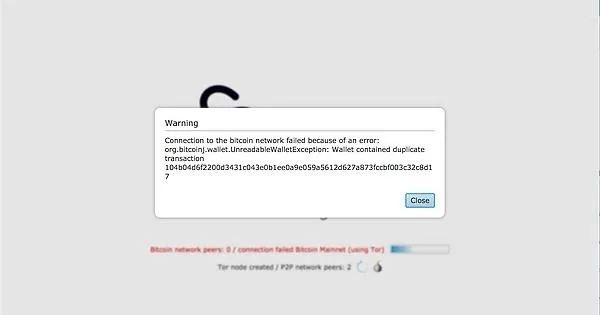
Testnets Become Unstable Under Load
During critical phases, more users interact with the testnet, increasing load and causing delays, failures, or inconsistencies.
Scripts Are Built for Ideal Conditions
Most automation is tested under stable conditions, but not designed to handle network instability or unexpected responses.
Lack of Error Handling
When something goes wrong, many systems fail completely instead of adapting or retrying.
Timing Sensitivity Increases
Critical moments often require precise timing, and delays or missed windows can lead to failure.
The Hidden Cost of These Failures
Failures during critical moments do not just affect individual transactions, they can result in missed eligibility, lost rewards, and wasted effort.
You may spend time setting up and running automation only to see it fail when it matters most.
More importantly, it creates uncertainty, making it difficult to trust your system.
The Complete Solution: Build for Worst-Case Conditions
Fixing this problem requires designing your system for instability rather than ideal scenarios.
The first step is adding robust error handling, ensuring that your automation can detect failures and respond appropriately, whether through retries, delays, or alternative actions.
The next step is introducing adaptive timing, allowing your system to adjust based on network conditions rather than relying on fixed intervals.
Redundancy is also important, ensuring that critical actions can be executed multiple times if needed.
A practical way to implement this is by using a platform like Appilot, which provides more stable execution environments and reduces inconsistencies during high-demand periods.
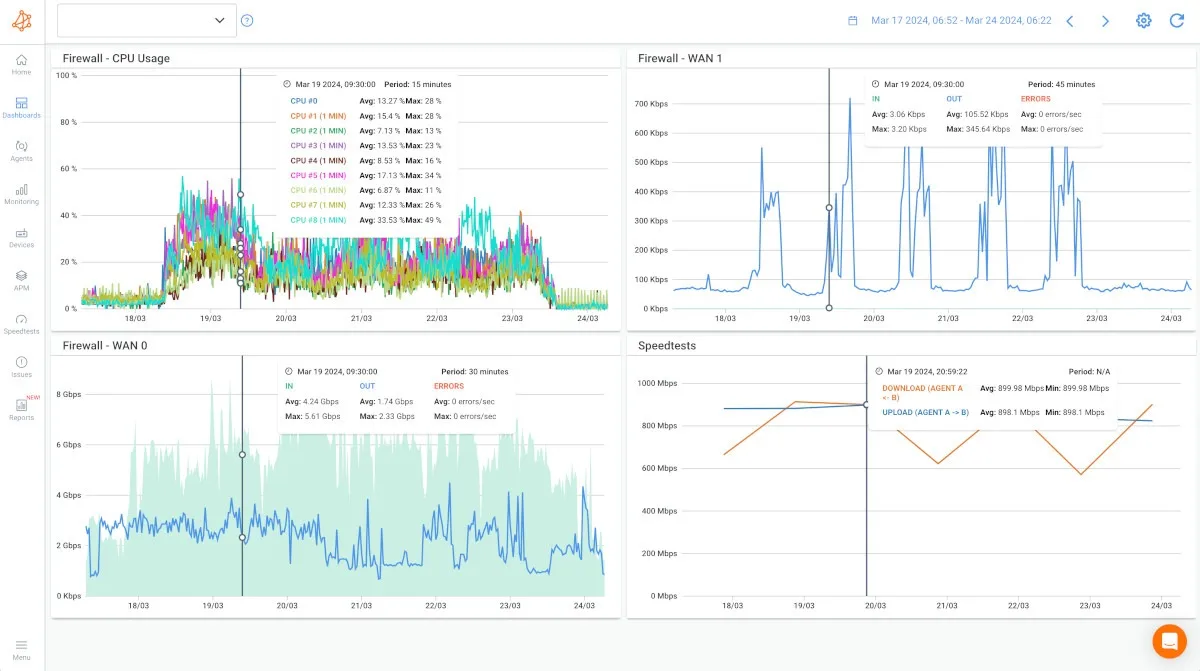
By designing for worst-case conditions, you create a system that remains functional even when the environment becomes unpredictable.
Monitoring also plays a key role, allowing you to detect issues early and adjust your approach.
How to Prevent Failures in Future Campaigns
Prevention starts with testing your automation under different conditions, including high load and delayed responses.
Regular monitoring helps you identify potential issues before critical moments arrive.
Automation should be flexible, allowing it to adapt to changing conditions rather than failing when things deviate from expectations.

Common Mistakes That Lead to Failure
One of the most common mistakes is assuming that testnet conditions will remain stable.
Another is building rigid scripts that cannot adapt to changes.
There is also a tendency to ignore error handling, which leads to complete system failure when issues occur.
Real Success Stories: Before and After
A user running testnet automation found that their system worked well initially but failed during peak activity.
After improving error handling and using Appilot for more stable execution, they were able to maintain reliability during critical moments.
Another example involved a participant who adjusted their timing strategy, resulting in better outcomes.
Frequently Asked Questions
One common question is whether testnet failures can be completely avoided, and while some level of instability is inevitable, their impact can be minimized.
Another question is how to test reliability, and stress testing under different conditions is key.
There is also the concern about complexity, and a well-designed system simplifies adaptation.
Conclusion: Build Automation That Holds Under Pressure
If your testnet automation keeps failing at critical moments, it is not because your setup is fundamentally broken, but because it is not designed for real-world conditions.
Once you build a system that can handle instability, adapt to changes, and recover from failures, your automation becomes reliable when it matters most.
If you are dealing with this right now, the best step forward is not to hope for stable conditions, but to prepare for unstable ones, because once you do, your system will perform when it counts.