Why You Dread Monday Mornings (And How Automation Fixes It)
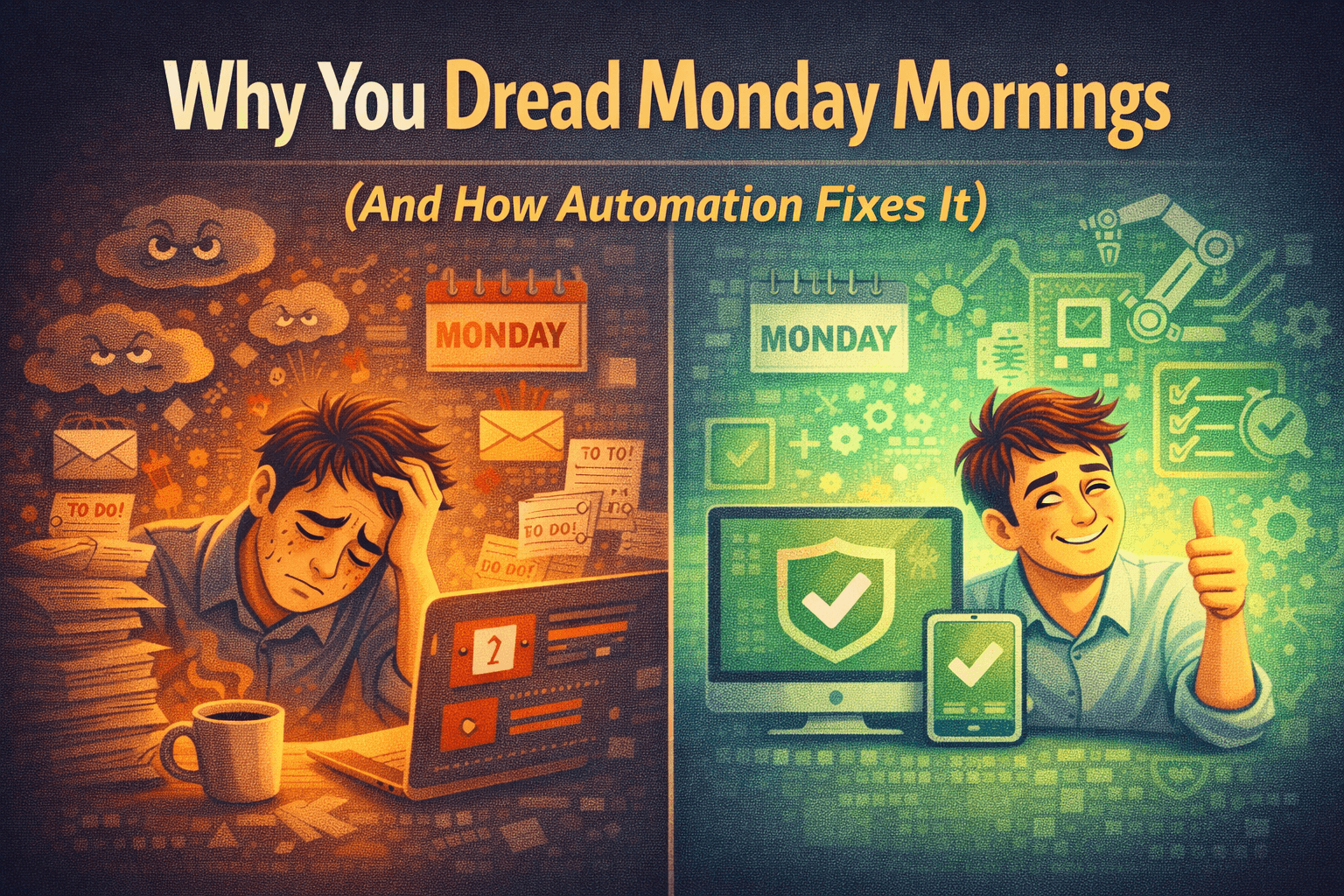
Sunday night feels heavy, not because of the day itself, but because you already know what Monday is going to bring, a flood of messages, pending tasks, broken workflows, account checks, client updates, and everything that piled up over the weekend waiting for your attention.
You wake up Monday morning and instead of starting fresh, you feel like you are already behind, jumping straight into reacting, catching up, fixing issues, and trying to regain control of a system that seems to have drifted without you.
It becomes a pattern, where weekends are not truly restful because you are thinking about what is waiting for you, and Mondays become something to endure rather than something to start with clarity and momentum.
What makes this particularly frustrating is that it does not feel like a workload problem, it feels like a system problem, because no matter how much you try to stay organized, the same cycle repeats itself.
You are not alone in this, and more importantly, this is not just part of running a business, because the dread comes from how your system handles time, tasks, and responsibility when you are not actively involved.
The good news is that once you understand why Mondays feel overwhelming and how to restructure your workflows, you can turn them into something predictable, manageable, and even calm.
Why Monday Feels So Overwhelming
The issue is not the day itself, but how work accumulates and gets processed.
Work Piles Up When You Step Away
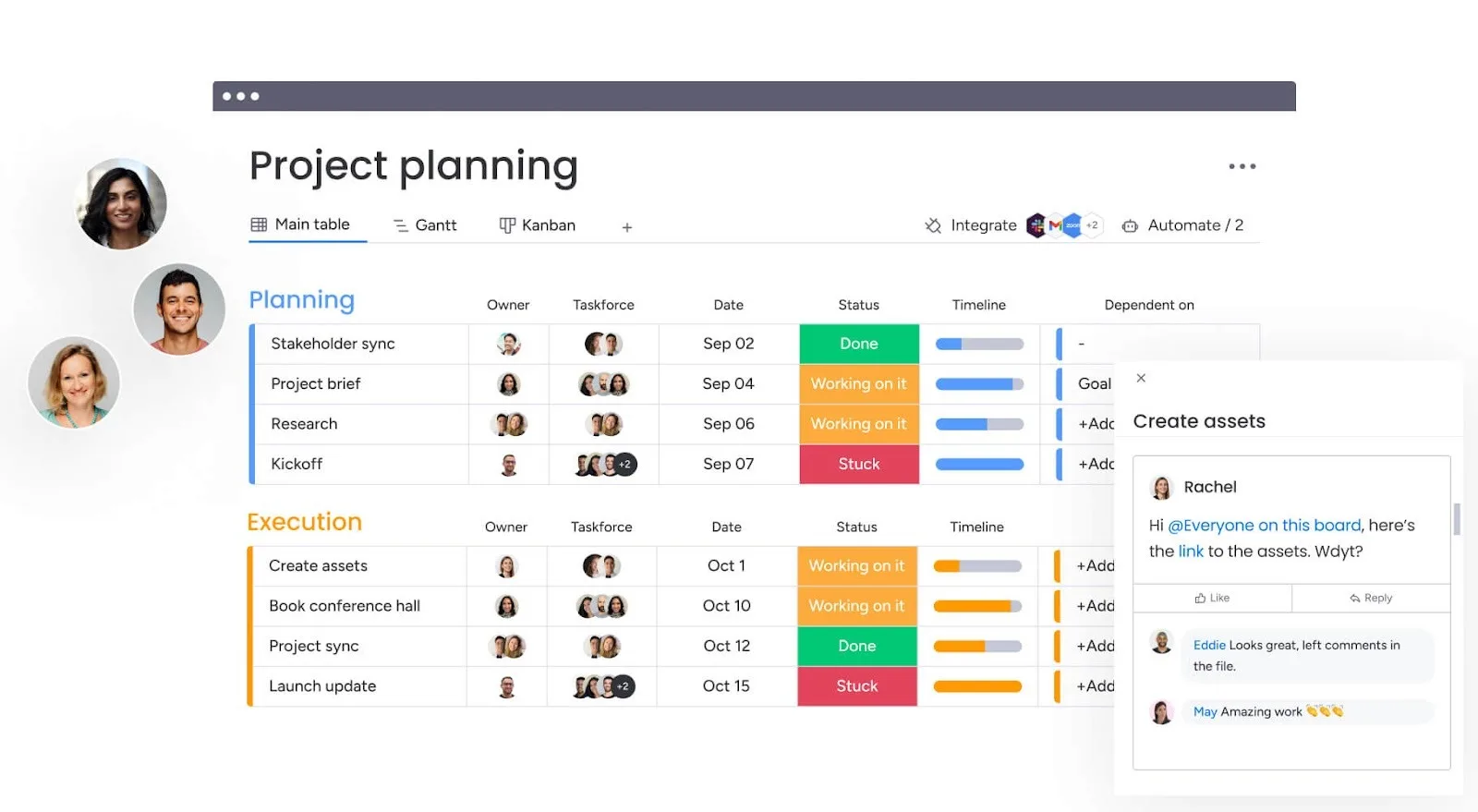
If your system depends on your presence, tasks accumulate when you are not actively managing them, creating a backlog that hits all at once.
No Continuous Processing System
Without automation, workflows pause when you are not working, which means that progress stops and issues build up.
Lack of Prioritization
When everything arrives at once, it becomes difficult to distinguish what is urgent from what is important.
Reactive Instead of Structured Workflow
If your system is not designed to handle tasks continuously, you are forced into reactive mode every Monday.
The Hidden Cost of Monday Dread
This pattern does not just affect one day, it impacts your entire week, because starting in a reactive state makes it harder to regain control and focus on meaningful work.
It also affects your mindset, making work feel heavier and less enjoyable.
More importantly, it prevents you from building a system that operates independently, because everything depends on your active involvement.
The Complete Solution: Build a System That Runs Over the Weekend
Fixing Monday dread requires ensuring that your system continues to operate even when you are not actively working.
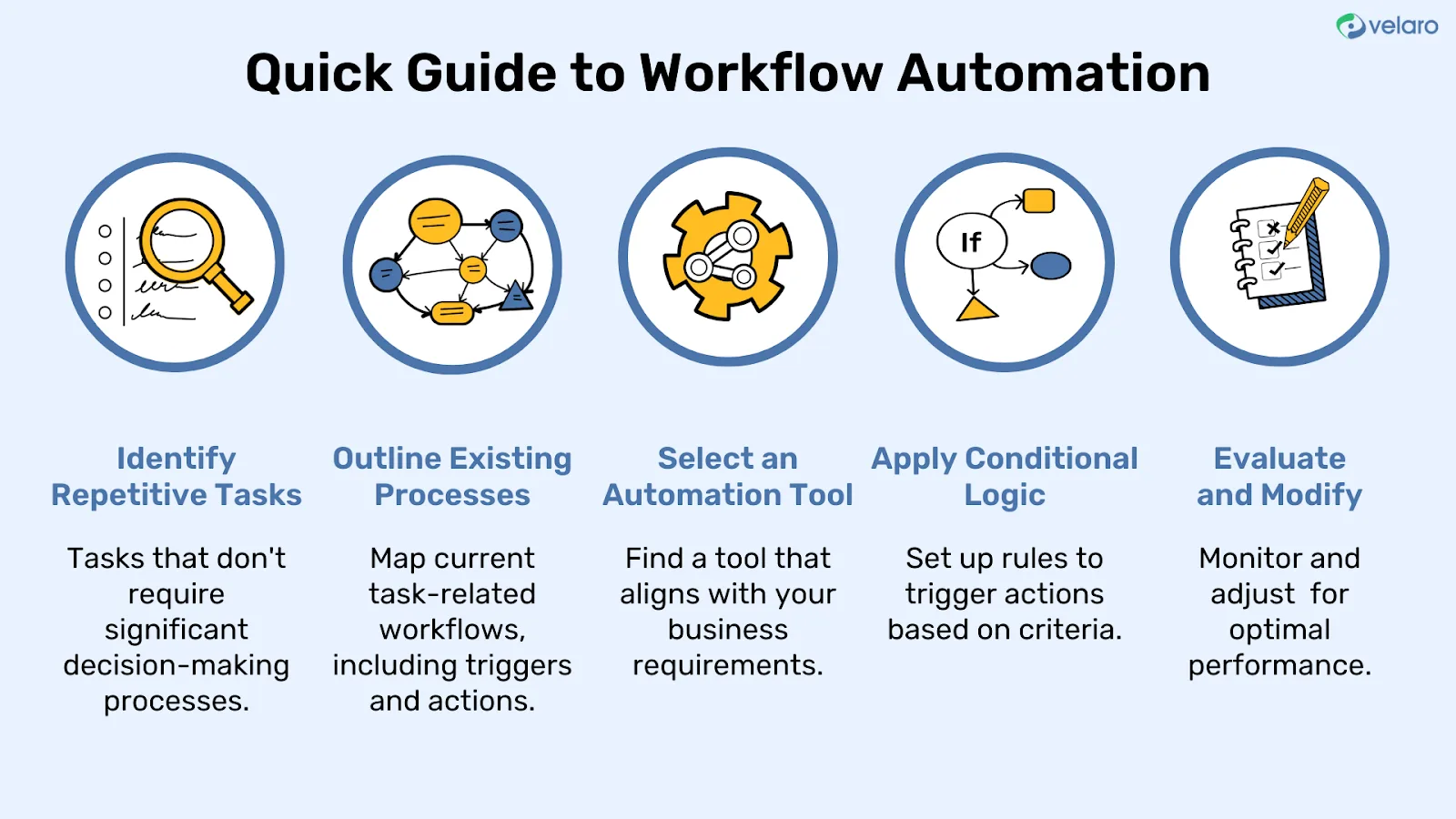
The first step is identifying tasks that can run continuously, such as monitoring, data collection, and routine actions, and ensuring that these do not pause when you step away.
Automation plays a key role here, allowing workflows to run in the background and handle tasks as they arise rather than letting them accumulate.
A practical way to implement this is by using a platform like Appilot, which enables you to run automation on real devices continuously, ensuring that work progresses even when you are offline.
By ensuring continuous processing, you eliminate the buildup that creates Monday overload, allowing you to start the week with clarity rather than chaos.
The next step is implementing prioritization systems, ensuring that tasks are categorized and handled appropriately, reducing the need for manual sorting.
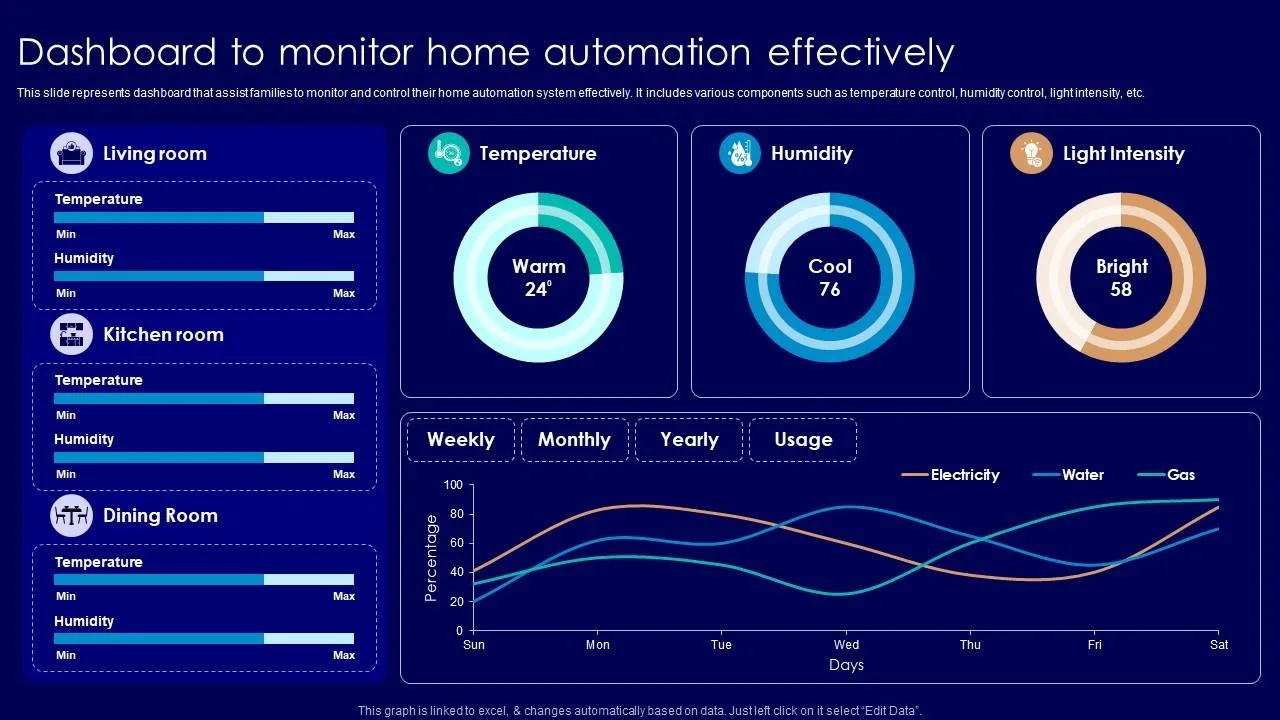
Monitoring also helps, providing visibility into what happened over the weekend without requiring constant checking.
How to Prevent Monday Dread From Returning
Prevention starts with maintaining a system that does not depend on your presence to function, ensuring that workflows continue regardless of your availability.
Regular reviews help you identify areas where tasks are accumulating and address them proactively.
Automation ensures that routine work remains consistent and does not contribute to backlog.
Common Mistakes That Keep Mondays Stressful
One of the most common mistakes is allowing workflows to pause when you are not working, which leads to accumulation.
Another is relying on manual processing, which creates bottlenecks.
There is also a tendency to ignore prioritization, treating all tasks as equally urgent.
Real Success Stories: Before and After
A user who experienced overwhelming Mondays found that their workload was largely due to tasks accumulating over the weekend.
After implementing continuous automation using Appilot, they were able to start their weeks with minimal backlog and greater clarity.
Another example involved a team that struggled with reactive workflows, but after restructuring their system, they achieved a more balanced and predictable start to the week.
Frequently Asked Questions
One common question is whether automation can handle all weekend tasks, and while not everything can be automated, a significant portion can be managed without manual input.
Another question is how to maintain control, and monitoring systems provide visibility without requiring constant involvement.
There is also the concern about complexity, and well-designed systems simplify operations rather than complicate them.
Conclusion: Turn Mondays Into a Fresh Start
If you dread Monday mornings, it is not because the day itself is difficult, but because your system allows work to accumulate and overwhelm you.
Once you build a system that processes tasks continuously and organizes them effectively, Mondays become manageable and even productive.
If you are dealing with this right now, the best step forward is not to prepare for Monday, but to redesign your system so that Monday no longer feels like a reset, but a continuation of a system that never stopped working.