Why Your 100 Wallets Aren’t Making Money from Airdrops (And What Actually Works)

You set up multiple wallets, maybe dozens, maybe even hundreds, thinking that more wallets would naturally increase your chances of earning from airdrops, and on paper, that logic seems sound, more wallets should mean more rewards.
You go through the effort of creating them, funding them, interacting with protocols, and trying to stay active, expecting that at least some of them will qualify for meaningful rewards.
But then the results come in, and instead of seeing proportional returns, you find that most wallets receive little to nothing, and the overall outcome does not justify the effort you put in.
This creates a confusing gap between expectation and reality, because it feels like you are doing more but getting less, which makes you question whether the entire approach is flawed.
You are not alone in this, and more importantly, the issue is not the number of wallets, but how they are being used, because in modern airdrops, volume alone is no longer enough.
The good news is that once you understand how airdrops actually evaluate eligibility and what separates high-performing wallets from the rest, you can shift your strategy and start seeing better results.
Why More Wallets Doesn’t Equal More Rewards
The assumption that quantity leads to better outcomes breaks down when systems prioritize behavior over volume.
Airdrops Reward Quality of Interaction
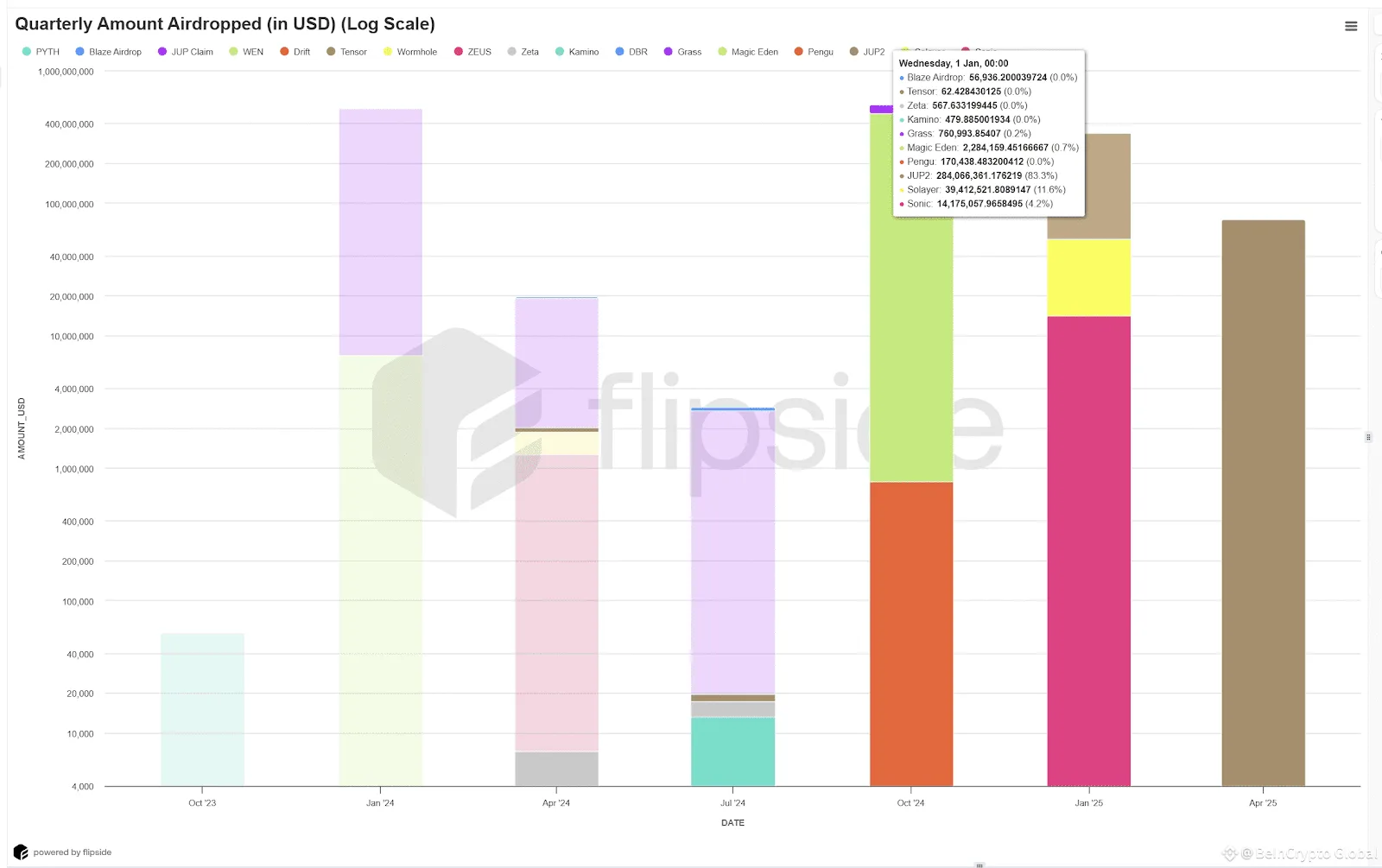
Projects increasingly focus on meaningful engagement rather than simple activity, which means that wallets need to demonstrate real usage rather than just minimal interactions.
Low-Effort Activity Gets Filtered
Simple actions performed across many wallets can be detected and devalued, reducing the likelihood of rewards.
Inconsistent Execution Across Wallets
Managing many wallets manually often leads to uneven activity, where some wallets meet requirements and others do not.
Lack of Strategy Behind Actions
Without a clear plan, actions may not align with what projects actually reward, resulting in wasted effort.
The Hidden Cost of Scaling the Wrong Way
Running many wallets without a structured approach does not just reduce efficiency, it increases workload and complexity, making it harder to manage activity consistently.
You spend more time maintaining wallets than optimizing performance, which limits your ability to improve results.
More importantly, it creates diminishing returns, where additional wallets do not produce meaningful gains.
The Complete Solution: Focus on Strategy, Not Just Scale
The key to improving results is not reducing the number of wallets, but increasing the quality of their activity.
The first step is understanding what projects value, whether it is transaction volume, frequency, diversity of interactions, or long-term engagement.
Once you understand these factors, the next step is standardizing your approach, ensuring that each wallet follows a consistent and meaningful activity pattern.
Automation becomes critical here, because managing consistent activity across multiple wallets manually is difficult and prone to errors.
A practical way to implement this is by using a platform like Appilot, which allows you to automate interactions on real devices, ensuring consistency and improving the quality of engagement.
By focusing on structured, high-quality activity rather than sheer volume, you increase the likelihood that your wallets meet eligibility criteria and receive meaningful rewards.
The next step is monitoring performance, identifying which strategies work and adjusting your approach accordingly.
How to Prevent Low Returns in the Future
Prevention starts with maintaining a strategy-first approach, ensuring that every action is aligned with what projects reward.
Regular reviews help you identify underperforming wallets and improve their activity.
Automation ensures consistency, reducing variability and improving outcomes.

Common Mistakes That Limit Your Results
One of the most common mistakes is focusing only on the number of wallets rather than the quality of interactions.
Another is performing minimal actions that do not demonstrate real engagement.
There is also a tendency to manage wallets inconsistently, leading to uneven performance.
Real Success Stories: Before and After
A user managing a large number of wallets found that their returns were minimal despite significant effort.
After restructuring their approach and using Appilot for consistent execution, they were able to improve the quality of their activity and achieve better results.
Another example involved a participant who shifted from volume-based strategies to engagement-based strategies, resulting in higher rewards.
Frequently Asked Questions
One common question is whether it is better to have fewer wallets, and the answer depends on how well they are managed, because quality matters more than quantity.
Another question is how to identify valuable actions, and this requires understanding project-specific criteria.
There is also the concern about scalability, and a structured system allows for both scale and quality.
Conclusion: Work Smarter, Not Just Bigger
If your 100 wallets are not making money from airdrops, it is not because the opportunity is gone, but because the strategy needs to evolve.
Once you shift from volume to quality, from manual effort to structured systems, your results can improve significantly.
If you are dealing with this right now, the best step forward is not to add more wallets, but to improve how you use the ones you already have, because once you do, your efforts will start to pay off.