Why Your Automated Accounts Perform Worse Than Manual
The Automated Accounts Should Be Winning—But They Are Not
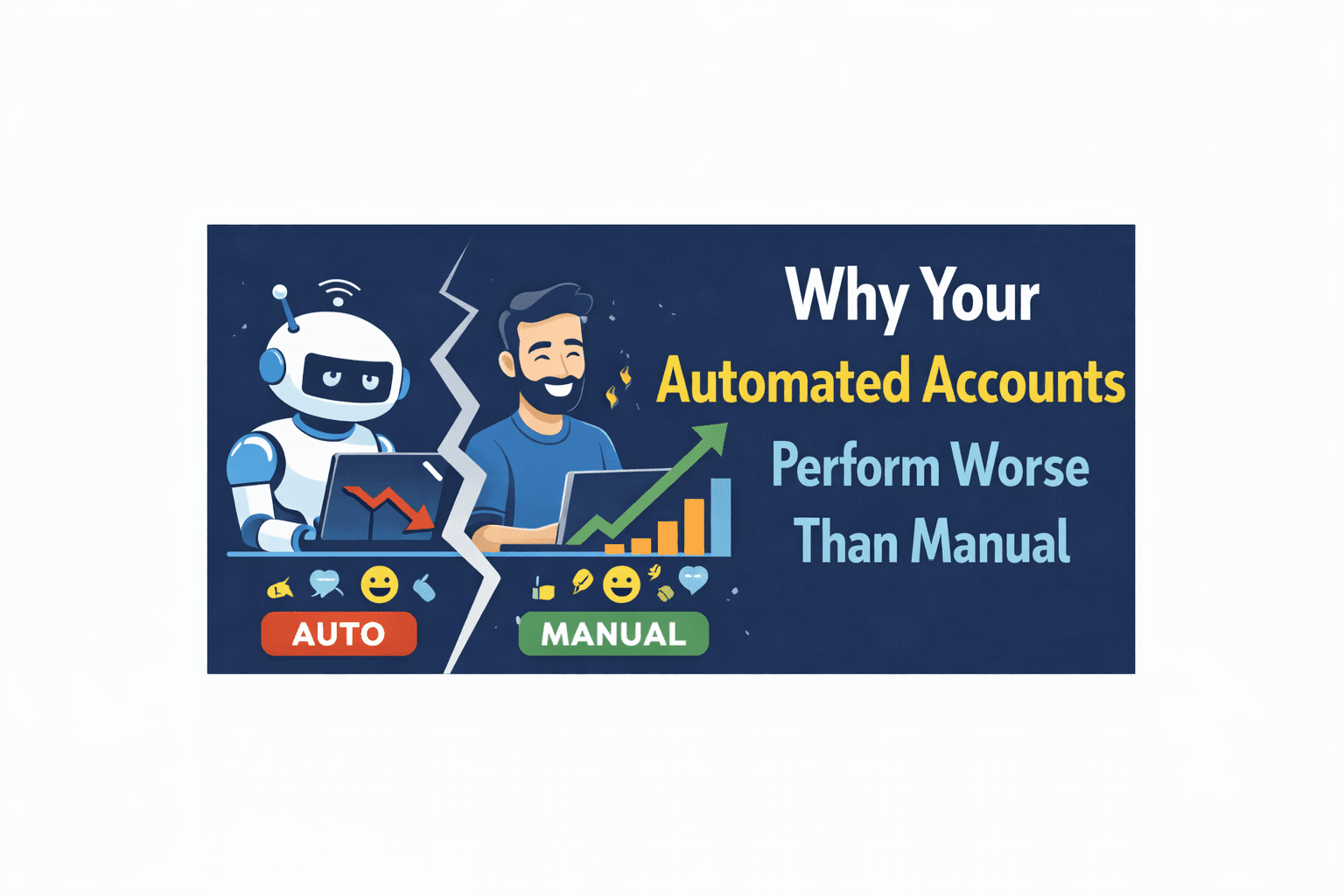
Most people assume automated accounts should perform better than manual accounts because they post more consistently, stay more active, and run with less effort.
In theory, that makes sense.
Automated accounts should have more content, more activity, more coverage, and more scale.
Then the results come in and the manual accounts are still doing better.
The manual accounts get more engagement, better replies, stronger reach, and higher conversions. Meanwhile, the automated accounts feel flat, repetitive, and weak.
That is one of the most frustrating things about automation because the system is technically working, but the results still do not match the effort.
The issue is usually not that automation is bad.
The problem is that most automated accounts lose the things that make manual accounts work.
Why Manual Accounts Often Perform Better
Manual accounts usually perform better because they feel more human.
The posts are more reactive, more specific, more emotional, and more connected to what is happening right now.
People naturally write with more variation when they are posting manually.
They use different sentence lengths, different tones, different hooks, different frustrations, and different observations.
Automated accounts often lose that variation.
The same templates get reused. The same hooks appear repeatedly. The same content structure shows up over and over again.
Eventually, the account starts sounding like a system instead of a person.
That is when performance starts dropping.
Another major difference is that manual accounts often respond faster to trends.
Someone posting manually can react to a news story, a platform update, a trend, a bug, or a sudden shift in audience interest immediately.
Automated accounts are usually working from pre-planned schedules, which means the content may already feel outdated by the time it goes live.
The Biggest Mistake: Automating The Entire Personality Of The Account
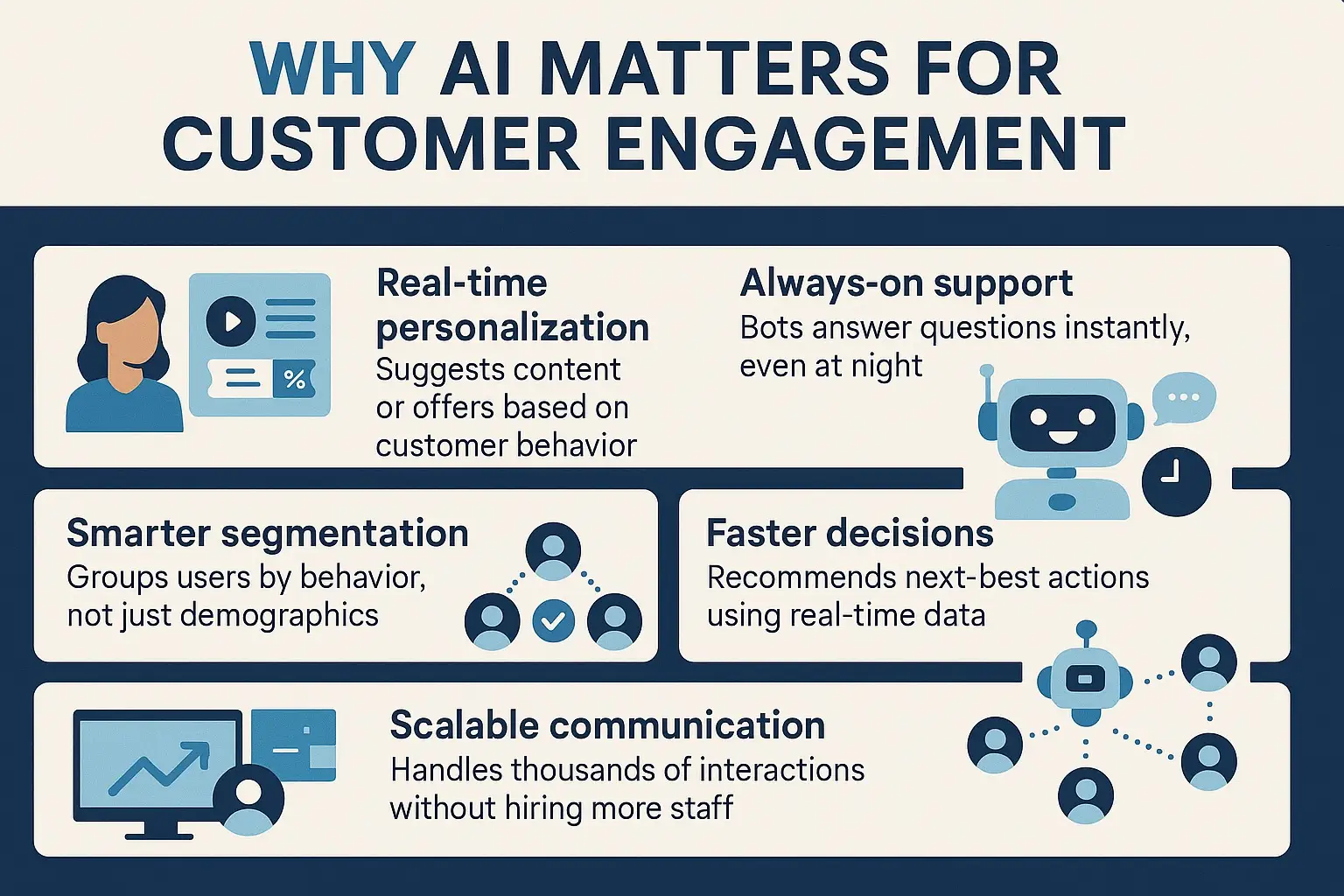
One of the biggest reasons automated accounts perform badly is because people automate too much.
They do not just automate scheduling.
They automate the tone, the structure, the wording, the content style, and even the personality of the account.
That creates content that feels generic.
People do not engage with accounts because they are perfectly optimized.
They engage because the account feels real, specific, interesting, and useful.
That means automation should handle the repetitive work while still leaving room for personality.
You can automate scheduling, browser launches, posting workflows, content categorization, and account management without making every post sound identical.
The goal should be to automate the process behind the account, not the human feeling of the account itself.
Why Repetition Slowly Damages Performance
One of the biggest hidden problems with automated accounts is repetition.
The same content formats get reused. The same image styles appear repeatedly. The same type of opening line keeps showing up.
Over time, the audience notices.
Even if they do not consciously realize why the account feels weaker, they can feel that something is missing.
The account no longer feels spontaneous.
It no longer feels like there is a real person behind it.
That is why manual accounts often feel stronger.
They naturally create more variation because people do not repeat themselves exactly the same way every time.
The easiest way to fix this is by introducing more variation back into the system.
Use different content formats. Rotate between stories, opinions, tutorials, comparisons, mistakes, myths, quick observations, and trend-based posts.
Change the tone. Change the structure. Change the style of images. Change the way posts begin and end.
The more variation you create, the more natural the account feels.
The System That Makes Automated Accounts Perform Better
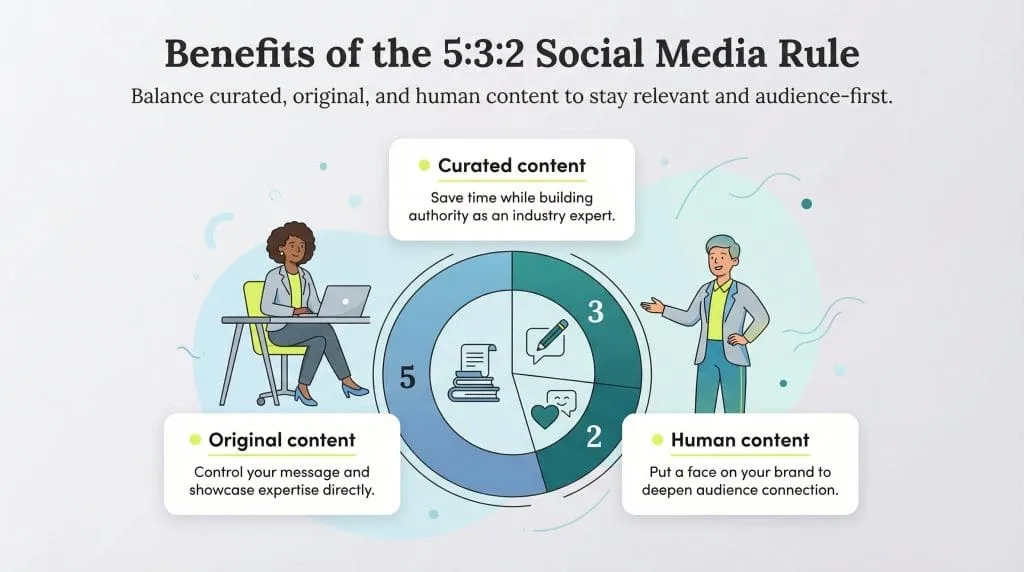
The easiest way to improve automated accounts is to combine structure with flexibility.
You should automate the repetitive tasks like scheduling, browser workflows, posting queues, and account organization.
But you should still review content regularly, react to trends, update weak posts, and allow room for human variation.
Another important step is looking at what the best-performing manual accounts are doing.
Which hooks work best?
Which tone gets the strongest engagement?
Which post styles create the most replies?
Which content formats perform best?
Those patterns should be used to improve the automated system instead of relying on generic templates.
Automation works best when it copies what already works manually.
Why Centralization Makes This Easier
It is much harder to understand why automated accounts are underperforming when content schedules, browser profiles, Android workflows, posting history, and performance data are spread across multiple tools.
You may have one platform for scheduling, another for analytics, another for browser automation, and another for content drafts.
That makes it difficult to compare which accounts are performing well and which ones are becoming repetitive.
This is one of the reasons Appilot becomes useful when automation starts scaling.
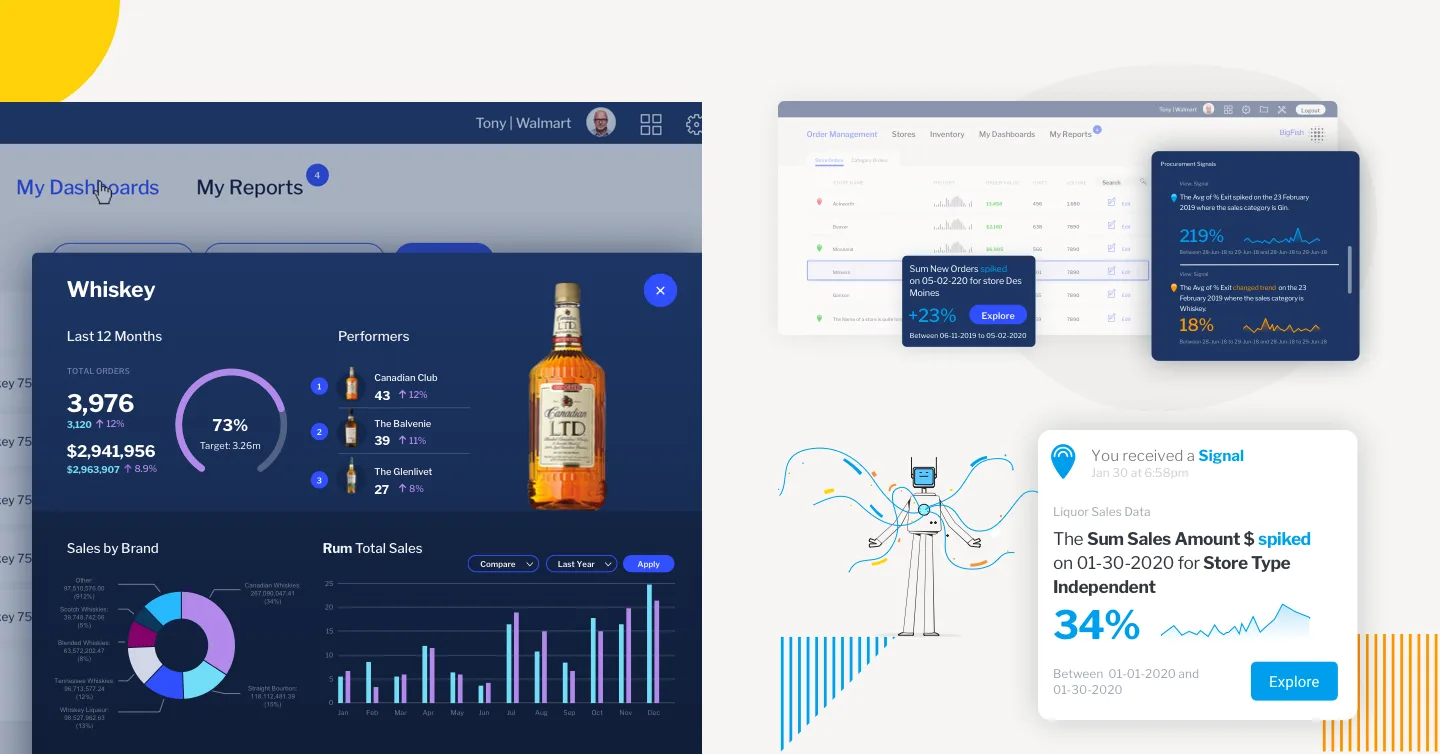
Instead of keeping browser profiles, Android workflows, content schedules, posting history, and account assignments spread across multiple systems, everything can stay visible from one dashboard. That makes it easier to compare manual performance against automated performance, identify weak content patterns, and see which accounts need more variation.
Conclusion: Automated Accounts Only Work When They Still Feel Human
If your automated accounts perform worse than manual ones, the issue is usually not the automation itself.
The problem is that the accounts became too repetitive, too rigid, and too disconnected from what makes people engage.
Once you bring back more variation, more personality, more trend awareness, and more human input, automated accounts become much more effective.
That is what allows you to scale content without making every account feel robotic or lifeless.