Why Your Automated DMs Have 5% Response Rate (Manual Was 40%)
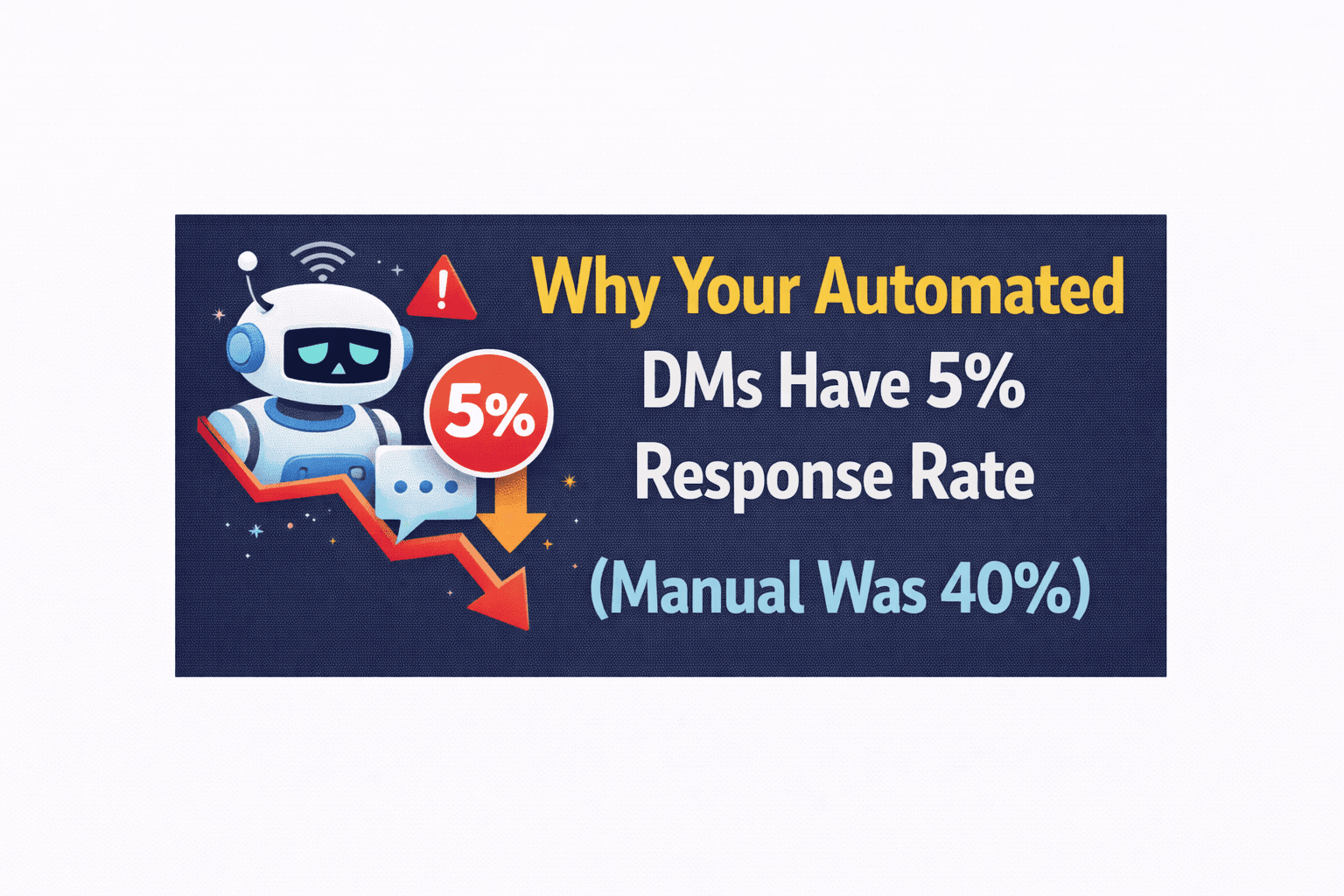
Automation Increased Volume But Destroyed Replies
At first, automated outreach feels like the perfect solution.
You can send more messages, contact more leads, scale faster, and stop spending hours manually typing the same thing over and over again.
Then eventually the numbers start looking bad.
Manual outreach was getting replies around 40%.
Automated outreach is now getting 5%.
The messages are still being delivered. The leads are still being contacted. The workflow is still running.
But almost nobody is responding.
That is one of the biggest problems in outreach automation because sending more messages does not automatically create more replies.
In many cases, automation increases volume while making the messages much weaker.
Why Manual DMs Usually Perform Better
Manual messages usually perform better because they feel human.
They sound more specific, more natural, and more connected to the person receiving them.
A manual DM often references something specific about the lead, such as their business, their content, their recent post, their problem, or their niche.
That immediately makes the message feel more relevant.
Automated DMs often lose that feeling.
They become too generic.
The same introduction appears every time. The same pitch gets reused. The same “I noticed your profile” line keeps showing up.
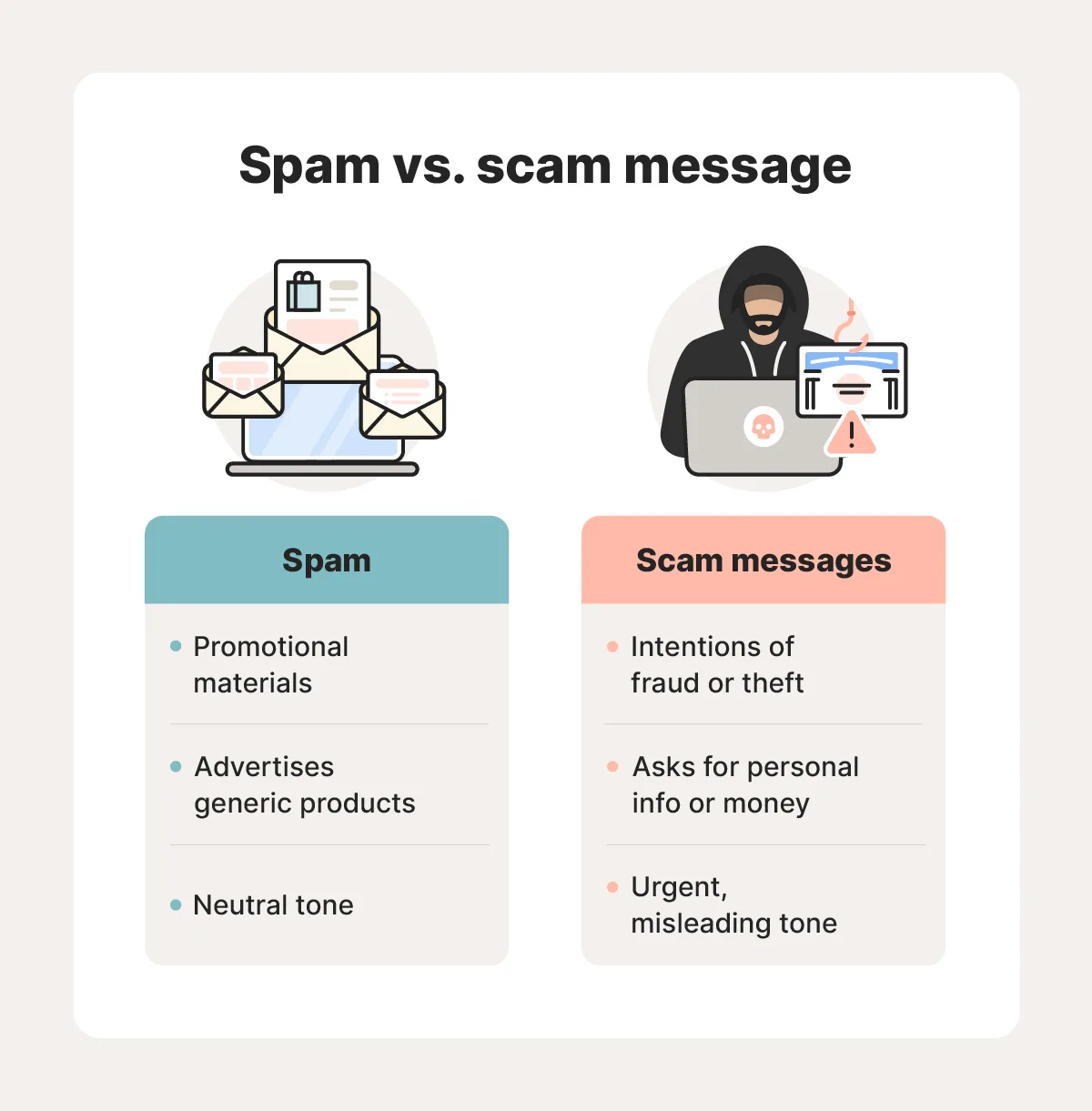
Eventually, the message starts sounding like spam.
That is when response rates collapse.
People ignore generic outreach because they have seen it too many times before.
The Biggest Mistake: Automating The Entire Message Instead Of The Process
One of the biggest reasons automated DMs perform badly is because people automate the exact part that should still feel personal.
They automate the full message.
That usually creates outreach that sounds repetitive, scripted, and unnatural.
The better approach is automating the process around the message instead of automating every sentence.
For example, you can automate lead collection, account warm-up, browser workflows, sending schedules, follow-up timing, CRM updates, and tagging.
But the actual message should still include personalized details.
Even one or two custom lines can make a huge difference.
Mention the lead's niche.
Mention their business type.
Mention a recent post.
Mention a problem you noticed.
Mention a result you think they want.
That makes the message feel far more natural.
Why Generic Personalization Still Feels Fake
A lot of people think adding a first name is enough personalization.
It is not.
Everyone has seen messages like:
“Hey John, I love your profile.”
“Hey Sarah, I saw your business and wanted to connect.”
“Hey Mike, I think we can help you scale.”
Those messages still feel automated because the personalization is too weak.
Real personalization feels specific.
For example:
“I noticed you are running multiple Shopify stores and still manually updating pricing across all of them.”
“I saw your recent post about browser bans hurting your ad accounts.”
“It looks like you are managing multiple client accounts and still switching profiles manually.”
That kind of specificity makes people feel like the message was written for them.
The System That Improves DM Response Rates
The easiest way to improve automated outreach is to break the message into modules.
For example, the first line may reference the lead.
The second line may describe a problem.
The third line may explain a possible result.
The fourth line may ask a simple question.
That way, you are not sending the exact same script every time.
You are mixing together different hooks, pain points, examples, and questions depending on the lead.
You should also shorten the message.
One of the biggest mistakes in automated outreach is making the DM too long.
Long messages feel more like pitches.
Shorter messages usually feel more natural and easier to reply to.
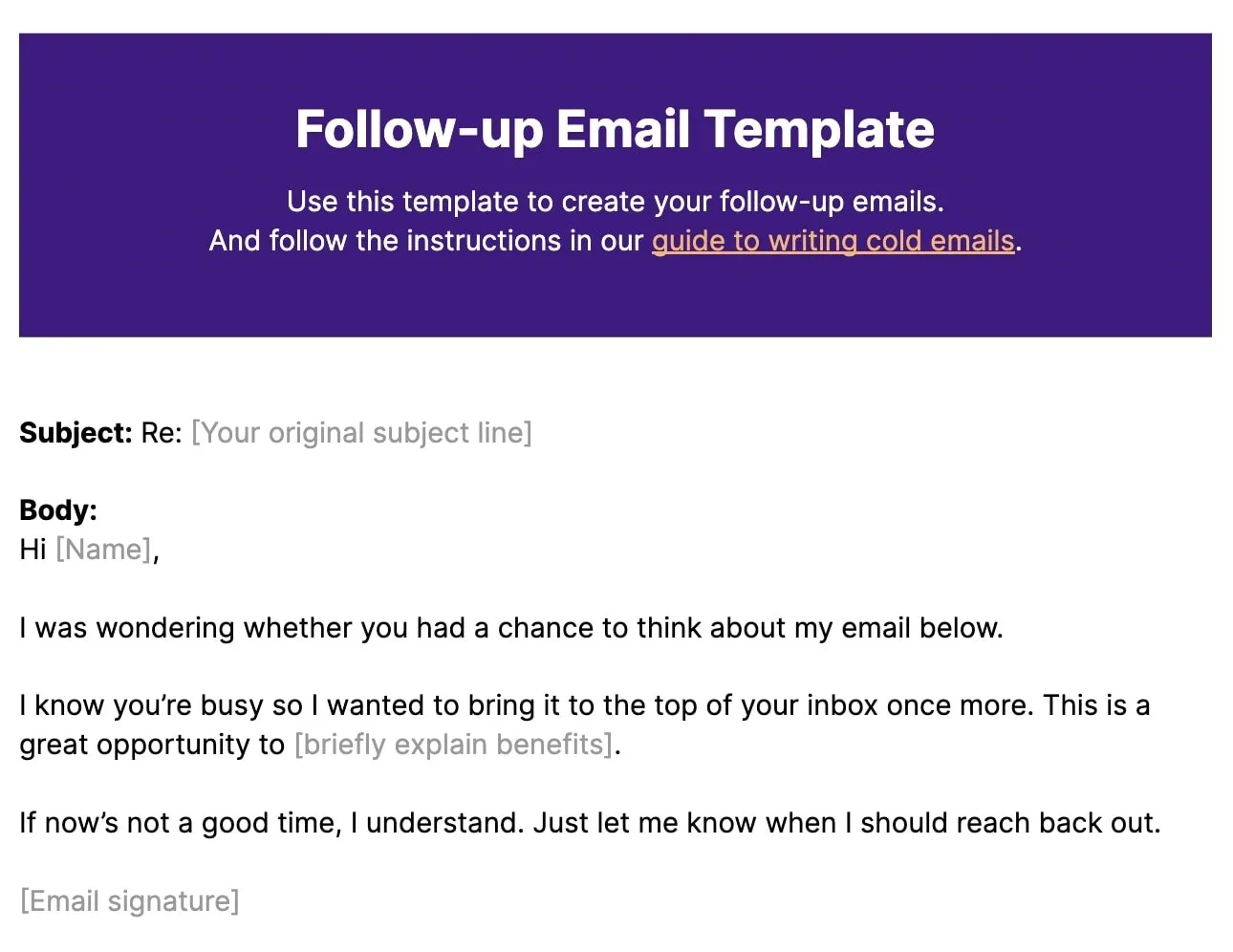
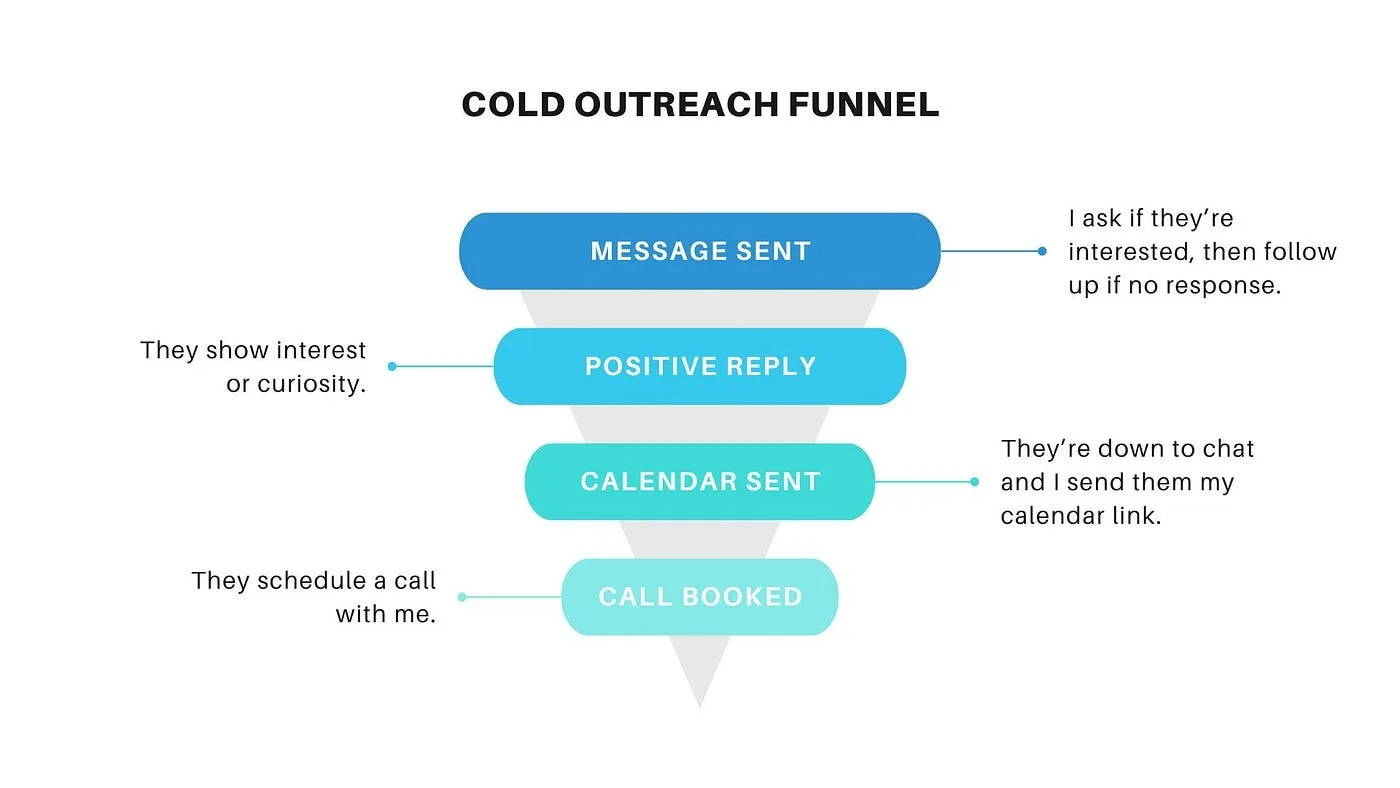
Instead of trying to explain everything immediately, focus on starting a conversation.
The first goal of the DM is not to close the deal.
The first goal is to get a reply.
Why Timing Matters More Than People Think
A lot of automated DMs fail because they arrive at the wrong time.
If the message arrives late at night, during weekends, or during periods when the lead is inactive, the chances of getting a reply drop.
The same applies if the account sending the DM looks suspicious.
Fresh accounts, low-trust accounts, cold accounts, or accounts with no activity often perform worse because people do not trust them.
That is why account warm-up, natural activity, posting history, and good scheduling all matter.
A warm account sending a relevant message at the right time will almost always outperform a cold account blasting the same message to everyone.
Why Centralization Makes This Easier
DM performance becomes much harder to improve when lead lists, browser profiles, outreach schedules, account notes, follow-ups, and response tracking are spread across different systems.
You may have one spreadsheet for leads, another platform for DMs, another tool for browser automation, and another place for tracking replies.
That makes it difficult to see which messages are working and which ones are failing.
This is one of the reasons Appilot becomes useful when outreach operations start scaling.
Instead of keeping browser profiles, Android workflows, DM schedules, lead notes, follow-up timing, and account assignments spread across multiple systems, everything can stay visible from one dashboard. That makes it easier to test different message styles, compare response rates, identify weak outreach patterns, and improve reply rates over time.
Conclusion: Automated DMs Only Work When They Still Feel Personal
If your automated DMs are getting 5% response rates while manual outreach was getting 40%, the issue is usually not the automation itself.
The problem is that the messages became too generic, too repetitive, and too disconnected from the person receiving them.
Once you start personalizing the important parts, shortening the message, improving timing, and keeping the outreach conversational, response rates become much easier to recover.
That is what allows you to scale outreach without making every DM feel like obvious spam.