Why Your Automated Posts Look Robotic (And How to Fix It)
Your Content Is Working, But It Does Not Feel Human
At first, automation feels like the perfect solution because it allows you to schedule content, queue weeks of posts in advance, reuse templates, and keep dozens of accounts active without spending hours every day writing manually.
Then eventually something starts to feel wrong.
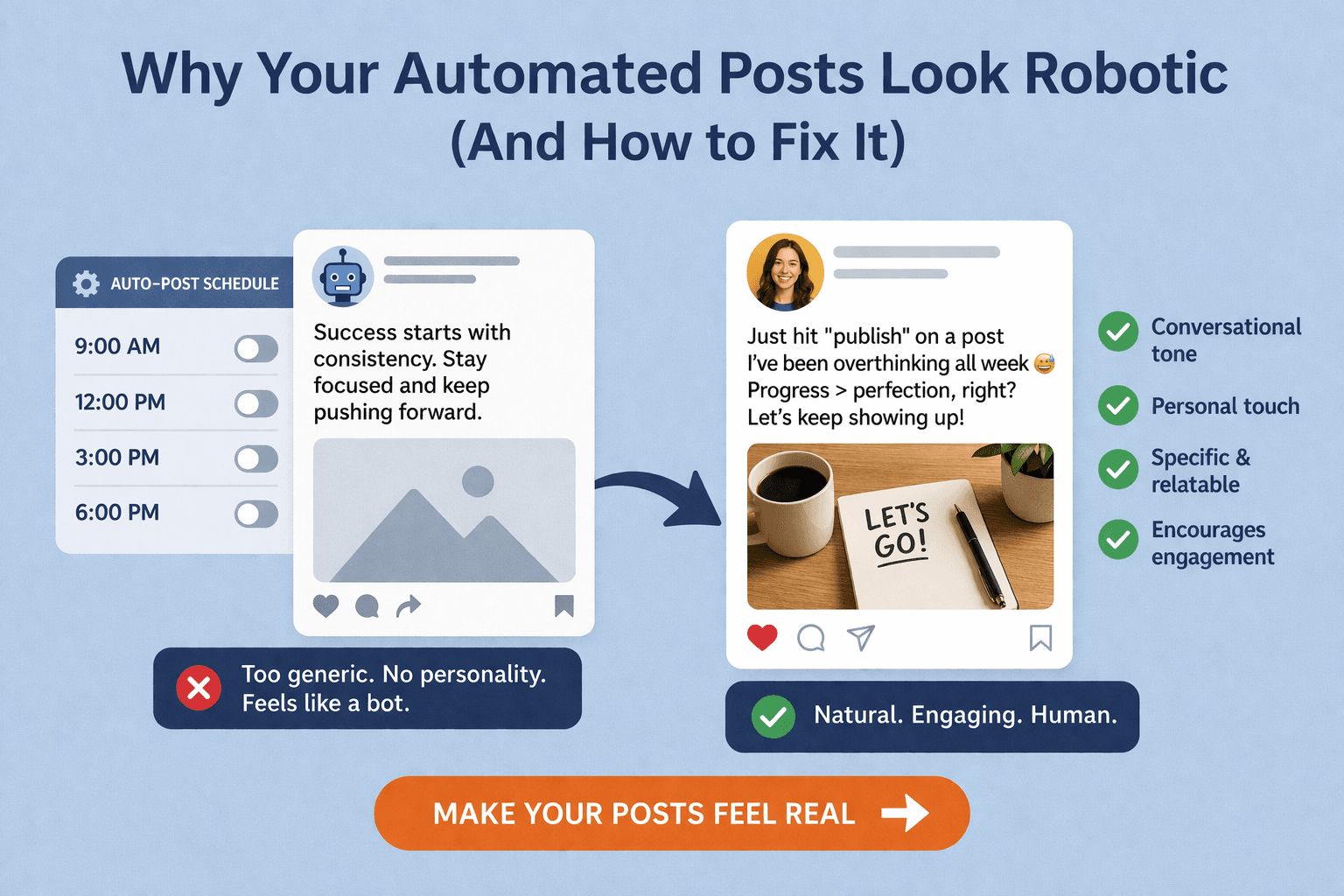
Your posts are technically correct, but they sound repetitive. They use the same phrases, the same structure, the same tone, and the same type of opening line over and over again.
After a while, everything starts to look robotic.
Followers stop engaging, comments become weaker, reach starts dropping, and even if the content is still useful, people can tell it was created from a system instead of a real person.
This is one of the biggest hidden problems in automation.
The issue is not automation itself. The issue is that most people automate the wrong way.
Why Automated Posts Start Looking Robotic
Most robotic content has the same problem. It sounds too clean, too predictable, and too repetitive.
People naturally write with variation. They use different sentence lengths, different openings, different opinions, different examples, and different emotional tones.
Automation systems often remove all of that.
One of the fastest ways to make content feel robotic is using the same format over and over again. If every post starts with a question, explains the problem, gives three tips, and ends with the same type of closing line, people start recognizing the pattern very quickly.
Even if the topic changes, the content still feels repetitive because the shape of the post never changes.
Another major issue is that most automated content has no personality.
A lot of automated posts sound generic because they try too hard to stay neutral. They explain information, but they never sound like a real person with real experience.
Real content often includes opinions, frustrations, unexpected observations, contradictions, and specific examples. Without those things, posts feel flat.
Many automated systems also repeat the same phrases constantly. Terms like “game changer,” “unlock the power,” “in today’s world,” and “the key takeaway” immediately make content feel artificial because people have seen them too many times before.
The Biggest Mistake: Automating Exact Words Instead of Automating The Process
Most people think automation means every post should follow the exact same structure and wording.
That is where the problem starts.
The best content systems do not automate every sentence the same way. They automate the process behind the content while still allowing enough variation to make the posts feel human.
For example, you can automate content categories, scheduling, topic generation, draft outlines, image creation, and publishing workflows without making every post sound identical.
The goal should be to automate the boring parts while protecting the personality of the content.
That means your posts should still have different hooks, different sentence lengths, different emotional tones, different examples, and different types of endings.
One post may sound more direct and aggressive. Another may sound more educational. Another may feel more conversational or story-driven.
That variation is what keeps content feeling real.
How To Make Automated Content Feel More Human
The easiest way to make content sound more natural is to rotate formats.
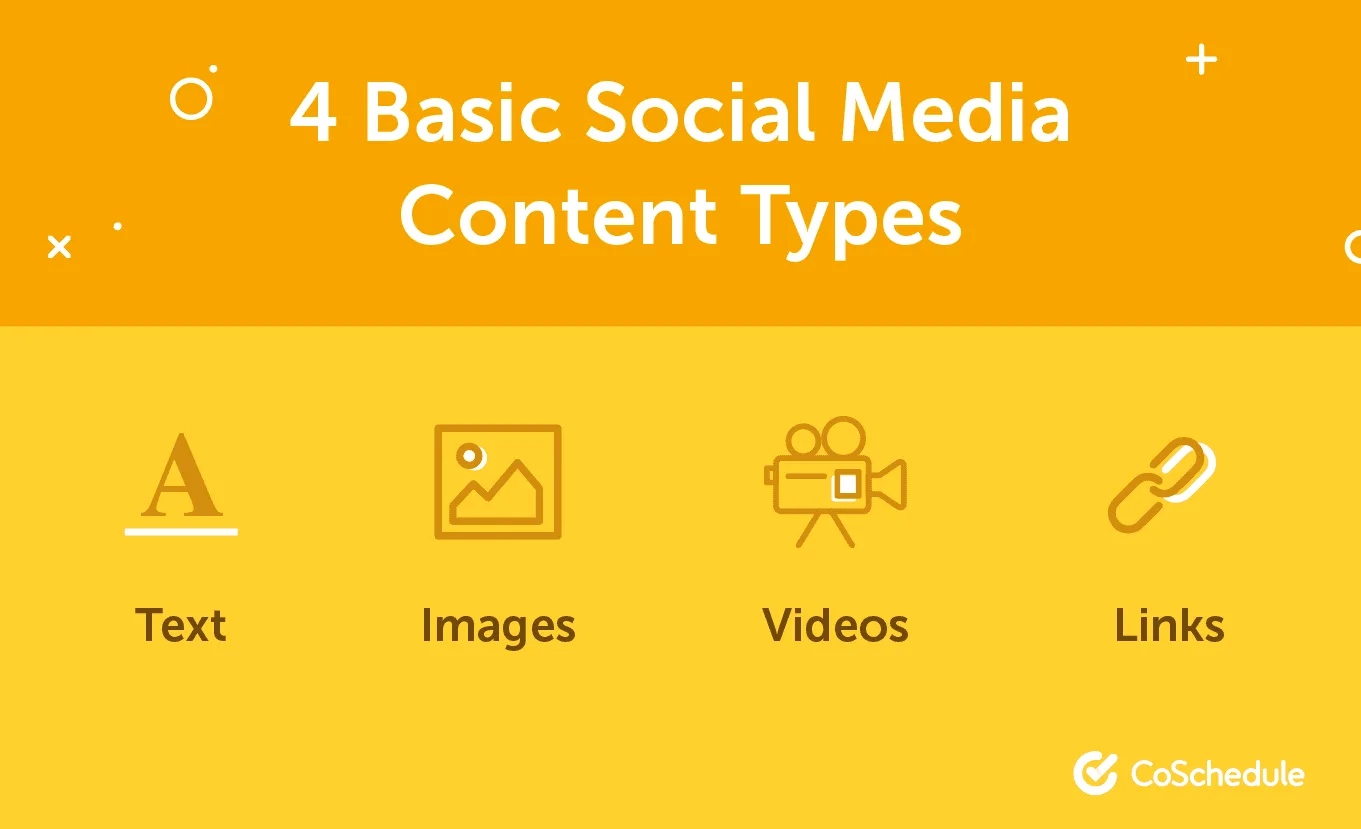
Instead of using the same structure every time, mix together tutorials, quick tips, mistakes, opinions, stories, comparisons, myths, case studies, and short observations.
You should also vary the way posts begin.
If every post starts with “Are you struggling with…” or “Here is why…” people will notice very quickly.
Sometimes start with a frustration. Sometimes start with a surprising fact. Sometimes start with a short story, a strong opinion, or a specific example.
Specificity also makes content feel much more human.
Instead of saying “Automation saves time,” say “Managing 40 browser profiles manually every morning can waste two hours before the actual work even starts.”
That level of detail feels more believable because it sounds like something that came from real experience.
It is also important to let content sound slightly imperfect.
Perfectly polished content often feels less human. Real people write shorter sentences sometimes. They change tone halfway through. They say something unexpected. They sound more natural because they are not trying to sound perfect all the time.

Why Content Libraries Work Better Than Repeating Templates
One of the best ways to avoid robotic content is to build a content library instead of relying on one fixed template.
You should have multiple types of hooks, multiple story formats, different content angles, and different ways to explain the same idea.
For example, one topic like browser bans could become a checklist, a rant, a short case study, a comparison, a tutorial, or a quick tip.
The underlying topic stays the same, but the presentation changes.
That is what makes content feel much more human, even when you are creating at scale.
Why Centralization Makes This Easier
Robotic content usually gets worse when you are managing many accounts because you lose track of what was already posted.
You reuse the same hooks, repeat the same topics, and accidentally make different accounts sound identical.
This is one of the reasons Appilot becomes useful when content operations start scaling.
Instead of keeping ideas, schedules, browser profiles, Android workflows, and account assignments spread across different systems, everything can stay organized from one dashboard. That makes it easier to see which content formats were already used, which accounts need different angles, and where content is starting to feel repetitive.
Conclusion: Automation Should Save Time, Not Remove Personality
If your automated posts look robotic, the issue is usually not automation itself.
The problem is that the system became too repetitive.
Once you add more variation, more personality, more specificity, and more content formats, automated content becomes much more natural.
That is what allows you to scale content without making every account sound exactly the same.