Why Your Automation Violates Terms of Service (And How to Fix It)
Everything seems to be working fine, your automation is running, tasks are executing, and results are coming in, until suddenly something changes, accounts get restricted, actions stop working, or you receive a warning that your activity violates platform policies.
At first it feels confusing, because from your perspective, nothing malicious was happening, you were simply automating tasks, improving efficiency, and scaling your operations, yet the platform treats it as a violation.
You start questioning what exactly went wrong, because the same setup worked before, and now it does not, and the lack of clear feedback makes it difficult to understand what triggered the issue.
This creates uncertainty, because you do not know whether your entire system is at risk or whether small adjustments can fix the problem, and in many cases, the fear of further violations leads to hesitation in scaling.
You are not alone in this, and more importantly, this is not because automation is inherently against platform rules, but because most automation setups unintentionally trigger behaviors that platforms are designed to detect and restrict.
The good news is that once you understand why automation violates Terms of Service and how platforms interpret behavior, you can adjust your system to operate more safely and sustainably.
Why Automation Triggers Terms of Service Violations
Most violations are not caused by intent, but by patterns that platforms interpret as abusive or unnatural.
Automation Creates Non-Human Behavior Patterns
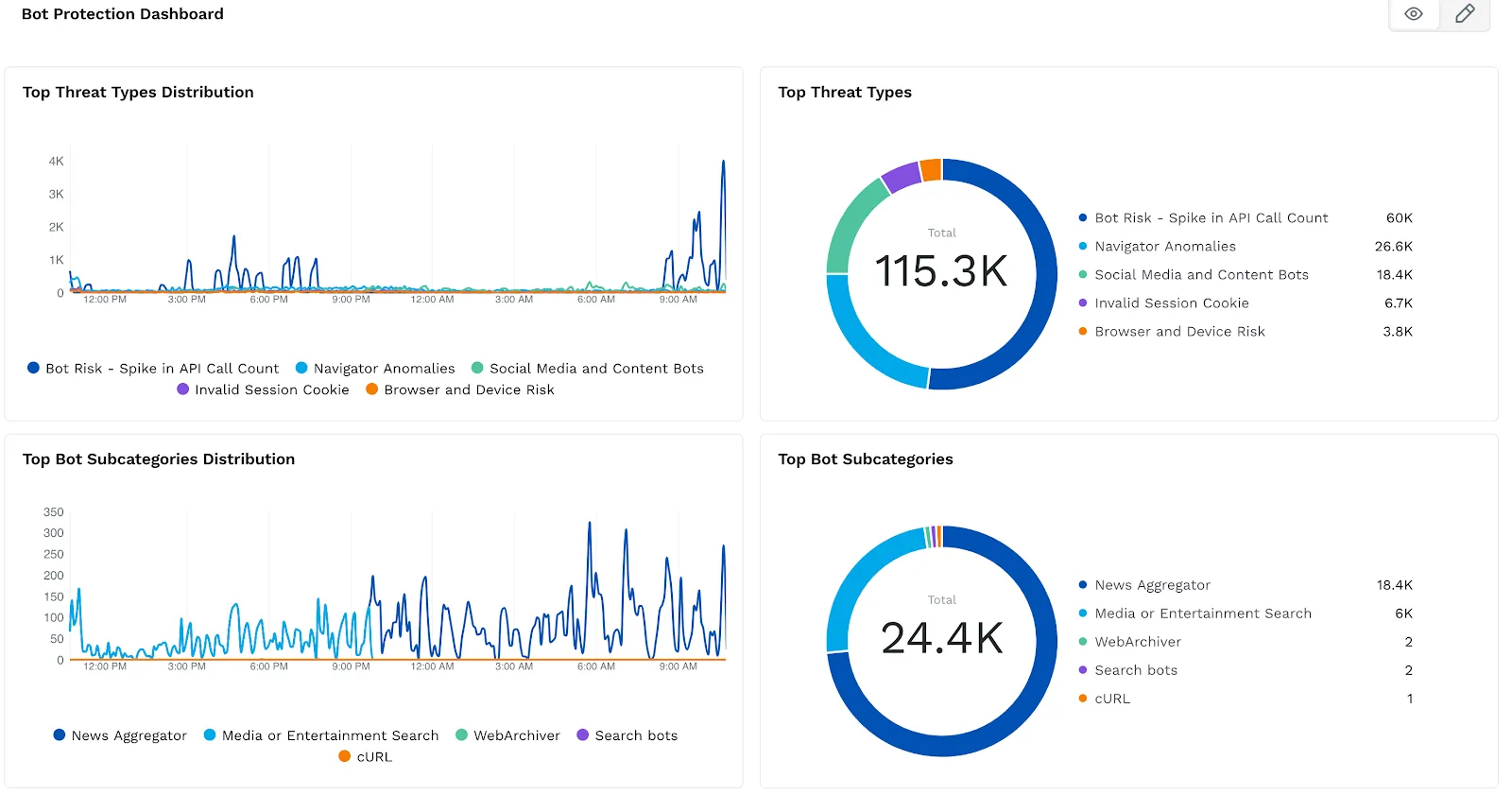
Automation often executes actions too quickly, too consistently, or in ways that differ from normal user behavior, which makes it easy for platforms to detect.
Centralized Activity Raises Flags
When multiple accounts or workflows operate from the same environment, it creates patterns that appear coordinated or automated, increasing the likelihood of detection.
Lack of Context Awareness
Automation scripts often perform actions without considering context, such as rate limits, platform rules, or user behavior expectations.
Over-Automation of Sensitive Actions
Certain actions, such as messaging, posting, or account interactions, are more sensitive and more likely to trigger restrictions when automated excessively.
The Hidden Cost of Violating Terms of Service
Violations can lead to restrictions, bans, or reduced functionality, which disrupt your workflows and reduce your ability to operate effectively.
You may lose accounts, data, or access, which can impact your business directly.
More importantly, it creates instability, because every action carries the risk of triggering further issues.
The Complete Solution: Make Your Automation Compliant and Sustainable
Fixing this problem requires aligning your automation with how platforms expect users to behave.
The first step is introducing variability into your workflows, ensuring that actions do not follow identical patterns and instead mimic natural user behavior.
Next, you need to distribute activity across environments, reducing the concentration of actions in a single location and making your system appear more organic.
Context awareness is critical, because your automation should adapt to platform conditions, respecting rate limits and adjusting behavior accordingly.
However, the environment in which automation runs also plays a significant role, because unnatural environments are more likely to be flagged.
This is where using real-device execution becomes important, and platforms like Appilot help by running workflows on actual devices, making behavior appear more natural and reducing detection risk.
By combining variability, distribution, and context awareness, you create a system that aligns more closely with platform expectations.
Monitoring is also essential, allowing you to detect potential issues early and adjust your workflows before they trigger violations.
How to Prevent Violations From Happening Again
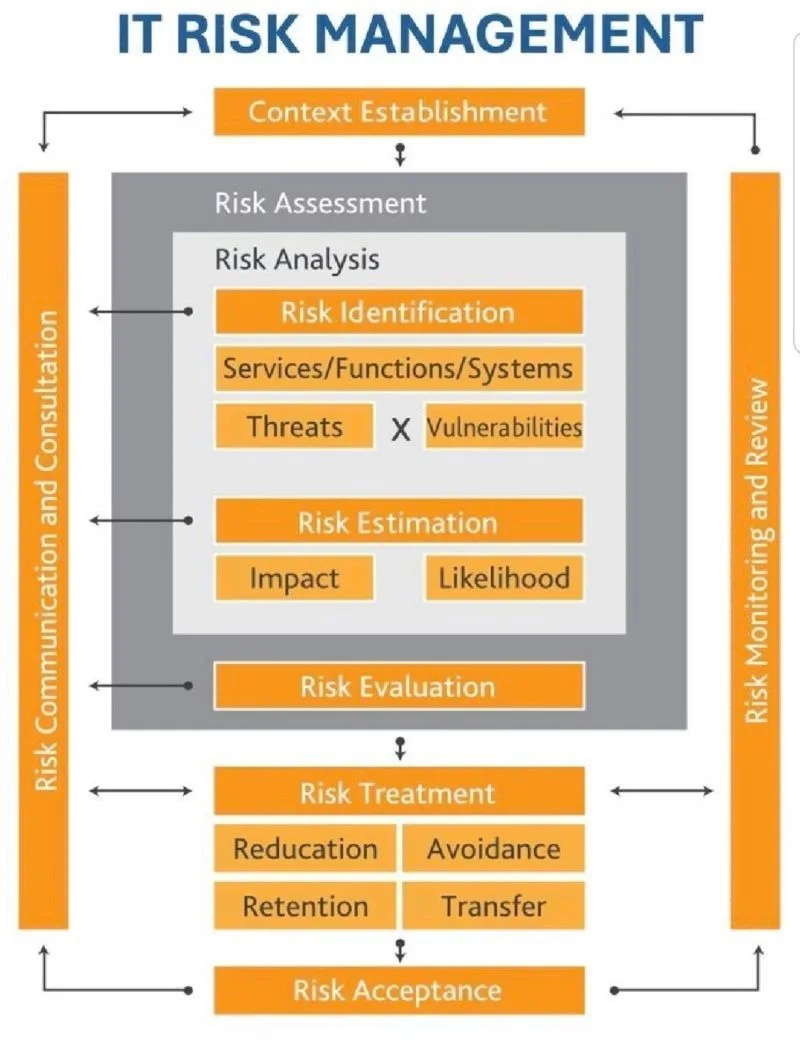
Prevention starts with understanding that automation must evolve alongside platform rules, ensuring that your system remains aligned with current expectations.
Regular testing and monitoring help you identify patterns that may trigger detection.
Automation should be adaptive, not rigid, allowing it to adjust behavior as needed.
Common Mistakes That Lead to Violations
One of the most common mistakes is prioritizing speed over natural behavior, which creates detectable patterns.
Another is running all automation from a single environment, increasing the risk of detection.
There is also a tendency to ignore platform rules, assuming that automation will not be noticed.
Real Success Stories: Before and After
A user running automation workflows experienced repeated restrictions due to detectable patterns and centralized activity.
After restructuring their system and using Appilot for more natural execution, they were able to reduce violations and achieve more stable performance.
Another example involved a team that struggled with compliance issues, but after adjusting their workflows, they were able to operate more safely and effectively.
Frequently Asked Questions
One common question is whether automation is allowed on platforms, and the answer varies, but most platforms restrict certain types of automated behavior.
Another question is how to avoid detection, and the answer lies in aligning automation with natural usage patterns.
There is also the concern about scalability, and a well-designed system can scale while remaining compliant.
Conclusion: Automation That Works With Platforms, Not Against Them
If your automation violates Terms of Service, it is not because automation is inherently problematic, but because your system does not align with how platforms expect users to behave.
Once you adjust your approach, introducing variability, distribution, and context awareness, you can operate more safely and sustainably.
If you are dealing with this issue right now, the best step forward is not to stop automation, but to redesign it, because once you do, you can scale without constantly worrying about restrictions.