Why Your "Best Time to Post" Never Works

You Posted At The “Perfect” Time—And Nothing Happened
You search online for the best time to post and find the usual advice.
Post at 9 AM. Post at lunch. Post in the evening. Avoid weekends. Publish on Tuesdays. Schedule content for Thursdays.
You follow the recommendations exactly.
Then the post gets weak engagement anyway.
This is one of the biggest frustrations in content creation because generic posting advice sounds useful, but often does not work in practice.
The reason is simple.
There is no universal best time to post.
A posting time that works for one audience may completely fail for another. A schedule that works for one platform may not work for another. Even within the same platform, different niches can behave completely differently.
That is why generic advice often creates more confusion than results.
Why Generic “Best Time To Post” Advice Usually Fails
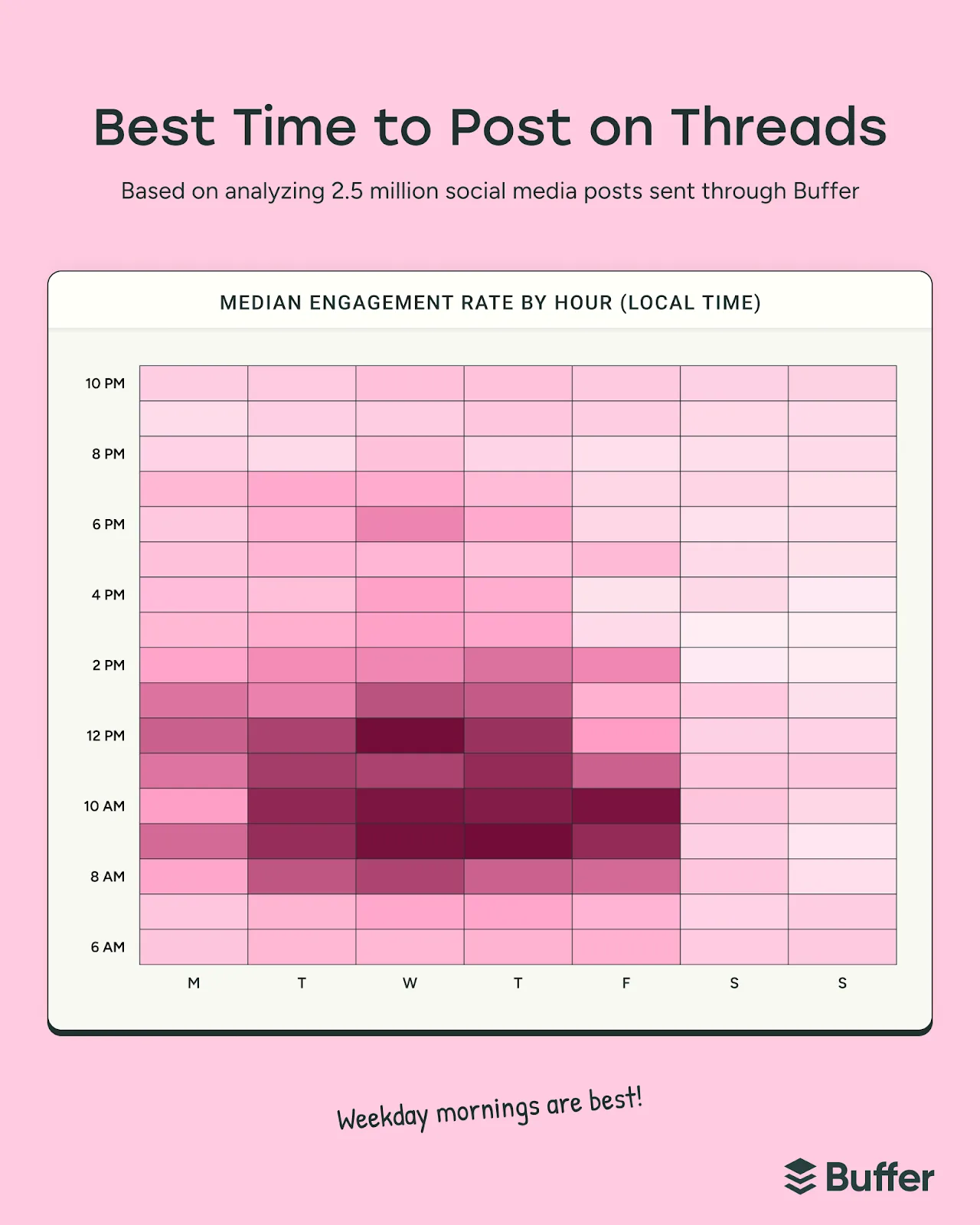
Most “best time to post” studies are based on averages.
They combine data from different industries, different countries, different audience sizes, different account types, and different platforms.
The result is a broad recommendation that may sound useful but is too general to apply to your specific audience.
A B2B audience behaves differently from a gaming audience. A crypto audience behaves differently from an e-commerce audience. A local business audience behaves differently from a global audience.
Even the same audience can behave differently depending on the type of content.
For example, tutorial content may perform better during work hours because people are actively looking for solutions. Entertainment content may perform better late at night because people are browsing casually. News content may perform best early in the morning because people want updates.
The more specific your audience becomes, the less useful generic posting advice becomes.
The Biggest Mistake: Looking For One Perfect Posting Time
One of the biggest reasons people struggle with posting schedules is because they are trying to find one perfect answer.
They want one posting time that works forever.
That usually does not exist.
Different types of content often need different posting windows.
A long educational thread may work better in the morning when people have more attention. A short meme or reaction post may work better in the evening. A highly specific technical post may perform better during work hours when people are actively searching for information.
The audience also changes over time.
What worked six months ago may not work today because the platform changed, the audience changed, or the competition changed.
That means posting schedules should be tested and adjusted regularly instead of treated like fixed rules.
The System That Actually Works
The best way to find the right posting times is to stop relying on generic advice and start using your own data.
You should look at:
Which posts got the highest engagement
Which days perform best
Which hours perform best
Which content formats perform best at different times
Which audience regions are most active
Which platforms behave differently
Over time, patterns start to appear.
You may notice that tutorials perform best in the morning, opinion posts work better in the evening, and short engagement posts work better at lunch.
That is much more useful than copying a generic posting guide from the internet.
Another important step is testing multiple time windows.
Instead of assuming 9 AM is the best time forever, try 9 AM, 1 PM, 6 PM, and 9 PM across different days and compare the results.
The goal is not to find one perfect posting time.
The goal is to understand how your audience behaves.
Why Audience Location Matters More Than Generic Advice
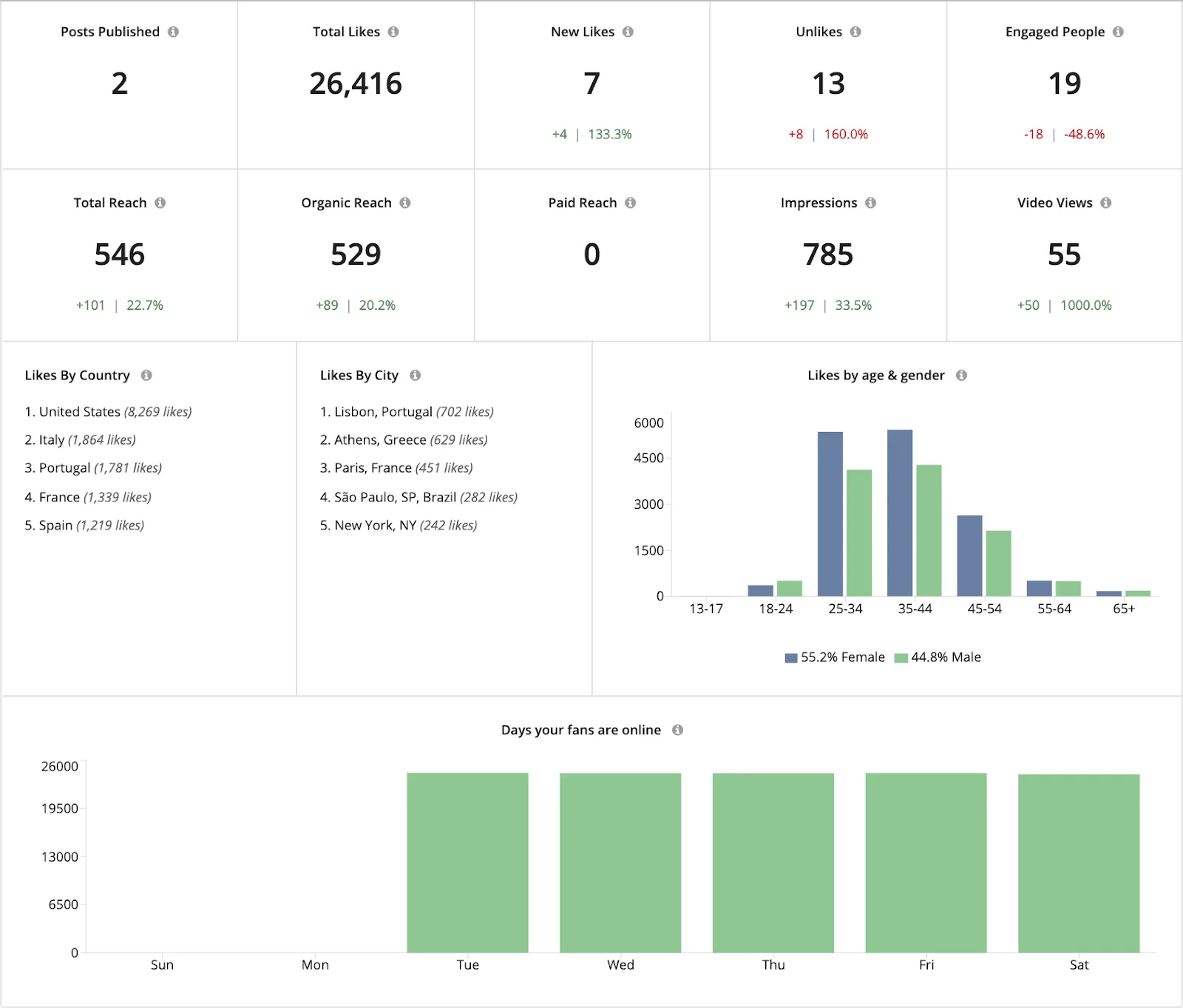
One of the biggest reasons “best time to post” advice fails is because people ignore where the audience actually lives.
If most of your audience is in the United States, your posting schedule should not be built around your local timezone if you live somewhere else.
The same applies if you are managing global audiences across different regions.
One account may need to target North America. Another may need to target Europe. Another may need to target the Middle East or Asia.
Each audience has different active hours.
That means posting schedules should be built around the audience location, not your own location.
Why Centralization Makes This Easier
Posting schedules become much harder to optimize when content, analytics, account notes, and schedules are spread across different tools.
You may have analytics in one platform, schedules somewhere else, content notes in another place, and audience information buried in spreadsheets.
That makes it difficult to see what is actually working.
This is one of the reasons Appilot becomes useful when content operations start scaling.
Instead of keeping browser profiles, Android workflows, content schedules, posting history, and account assignments spread across different systems, everything can stay visible from one dashboard. That makes it easier to compare performance, identify patterns, test different posting windows, and see which accounts are posting at the wrong times.
Conclusion: There Is No Universal Best Time To Post
If your “best time to post” strategy never works, the issue is usually not the content.
The problem is that generic posting advice is too broad to match your specific audience.
Once you start using your own analytics, testing different posting windows, and organizing schedules around audience location, posting times become much easier to optimize.
That is what allows you to stop guessing and start building a schedule that actually fits your audience.