Why Your Business Feels Like a Treadmill (And How to Get Off)
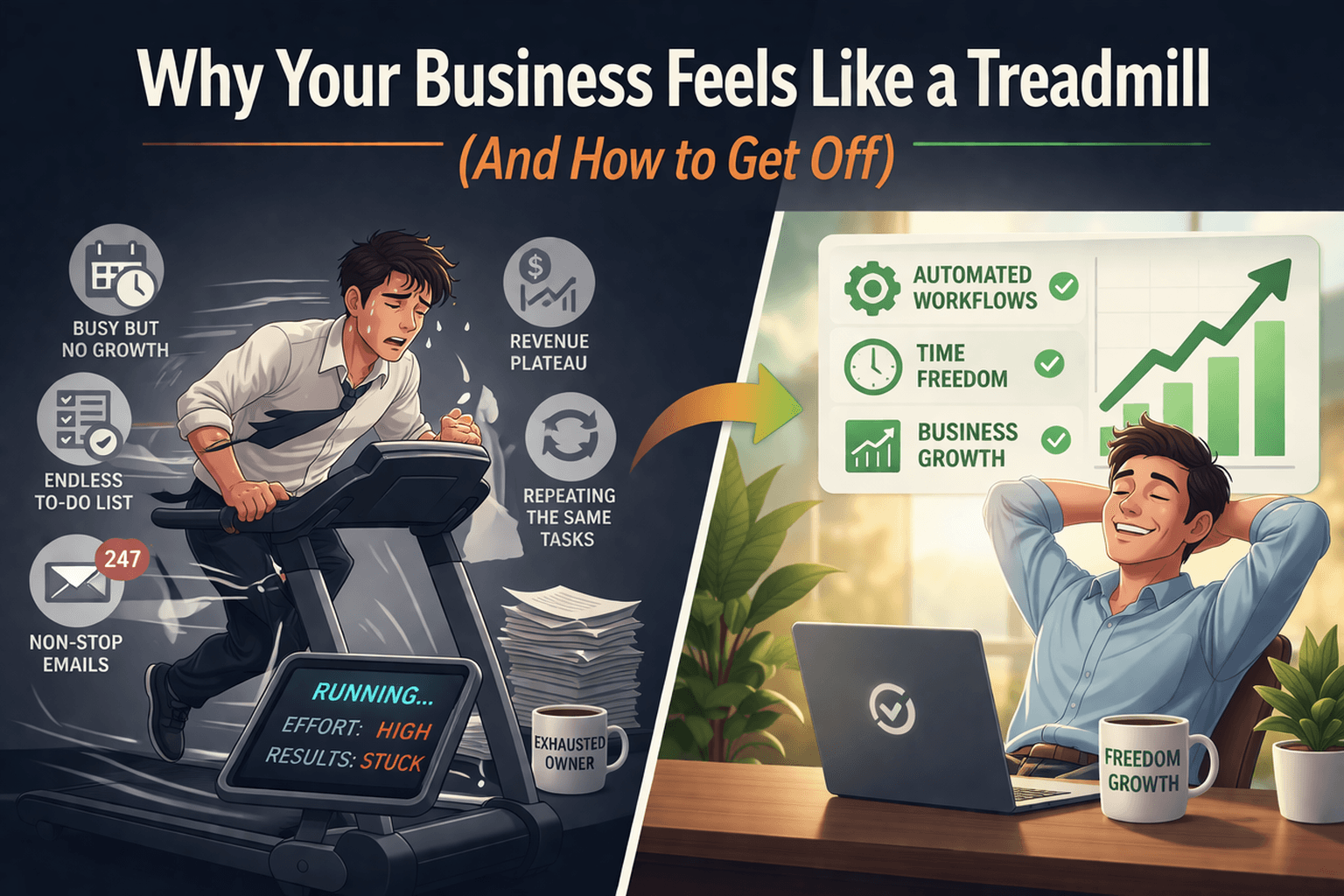
You are working constantly, tasks are getting done, clients are being served, systems are running, and on paper everything looks productive, yet there is a persistent feeling that you are not actually moving forward.
Each day feels like a continuation of the last, filled with execution, maintenance, and problem-solving, but without a clear sense of progress, as if all your effort is going into keeping things running rather than building something that grows beyond your involvement.
You might notice that taking on more work does not create more freedom, it creates more responsibility, more tasks, and more pressure, which makes it feel like you are running faster just to stay in the same place.
The frustrating part is that this is not a lack of effort, you are working hard, often harder than before, yet the outcome does not reflect that effort in the way you expected.
You are not alone in this, and more importantly, this is not how your business has to operate, because the treadmill feeling is not caused by growth itself, it is caused by how your system is structured.
The good news is that once you understand why your business feels stuck in motion and how to redesign your workflows, you can shift from constant effort to meaningful progress.
Why Your Business Feels Like a Treadmill
The treadmill effect is created when effort is tied directly to output without leverage.
Your Work Doesn’t Compound
When tasks are completed manually, they need to be repeated every time, which means that effort does not build on itself.
Everything Depends on You
If your involvement is required for most processes, your business cannot operate independently, which limits scalability.
Systems Are Not Designed for Scale
Without structured systems, growth increases workload rather than efficiency.
Focus Is on Execution, Not Improvement
When most of your time is spent doing tasks, there is little room for optimizing or building better systems.
The Hidden Cost of Staying on the Treadmill
Staying in this cycle does not just limit growth, it creates fatigue, reduces motivation, and makes it harder to see long-term progress.
You may feel stuck despite working hard, which can lead to frustration and burnout.
More importantly, it prevents your business from becoming something that operates beyond your direct effort.
The Complete Solution: Build a System That Moves Forward Without You
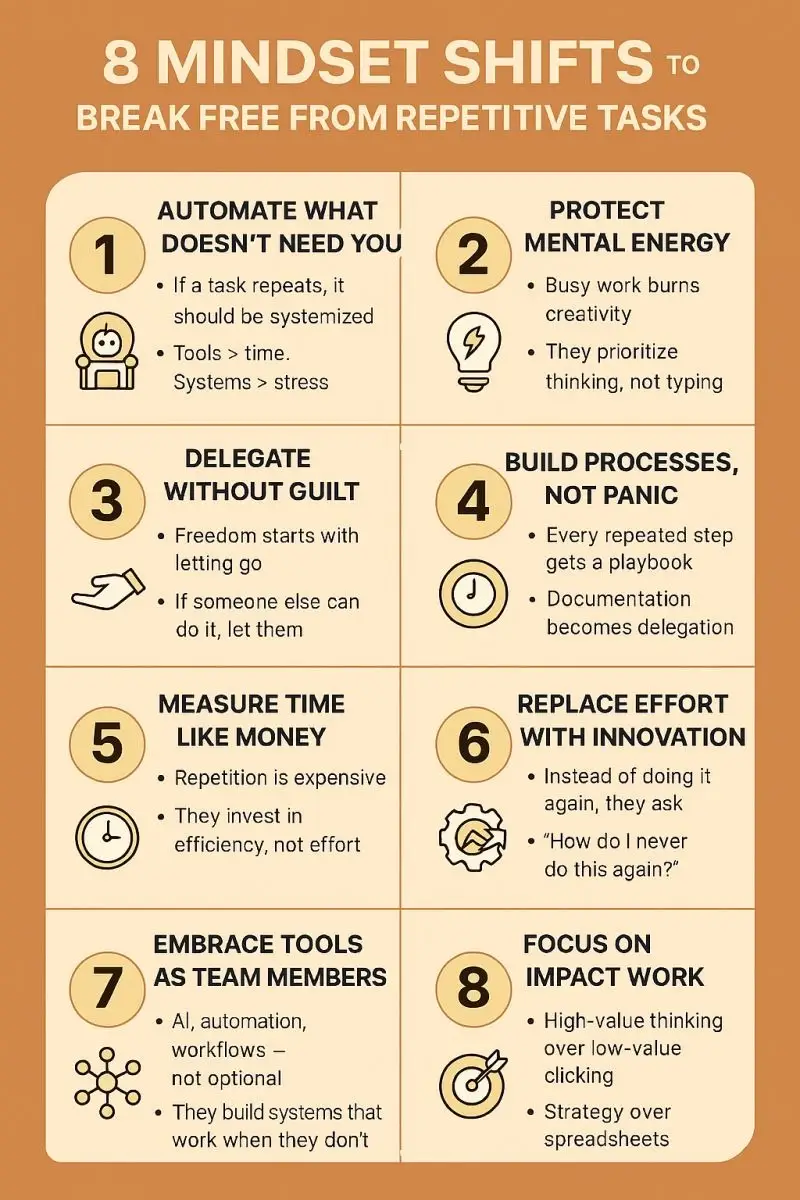
Getting off the treadmill requires shifting from effort-based work to system-based work.
The first step is identifying tasks that are repeated frequently, because these are the areas where leverage can be created.
Instead of performing these tasks manually, you need to standardize them, ensuring that they follow a consistent process.
Automation becomes the key layer, allowing these processes to run independently and build on themselves over time.
A practical way to implement this is by using a platform like Appilot, which enables you to run workflows on real devices, reducing manual effort and increasing scalability.
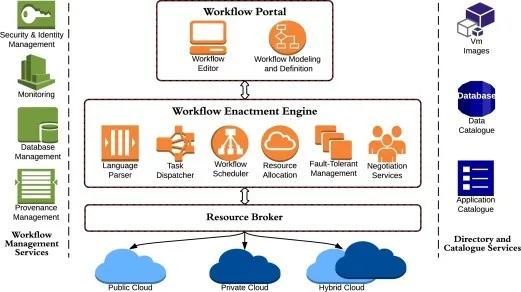
By creating systems that operate independently, you introduce leverage into your business, allowing effort to produce ongoing results rather than one-time outcomes.
The next step is reallocating your time, shifting focus from execution to improvement, ensuring that your system continues to evolve.
How to Prevent Falling Back Into the Treadmill
Prevention starts with maintaining a system-first mindset, ensuring that new tasks are evaluated for scalability before being added to your workflow.
Regular reviews help you identify areas where manual work is creeping back in, allowing you to address it early.
Automation ensures that repetitive tasks remain efficient and scalable.
Common Mistakes That Keep You Stuck
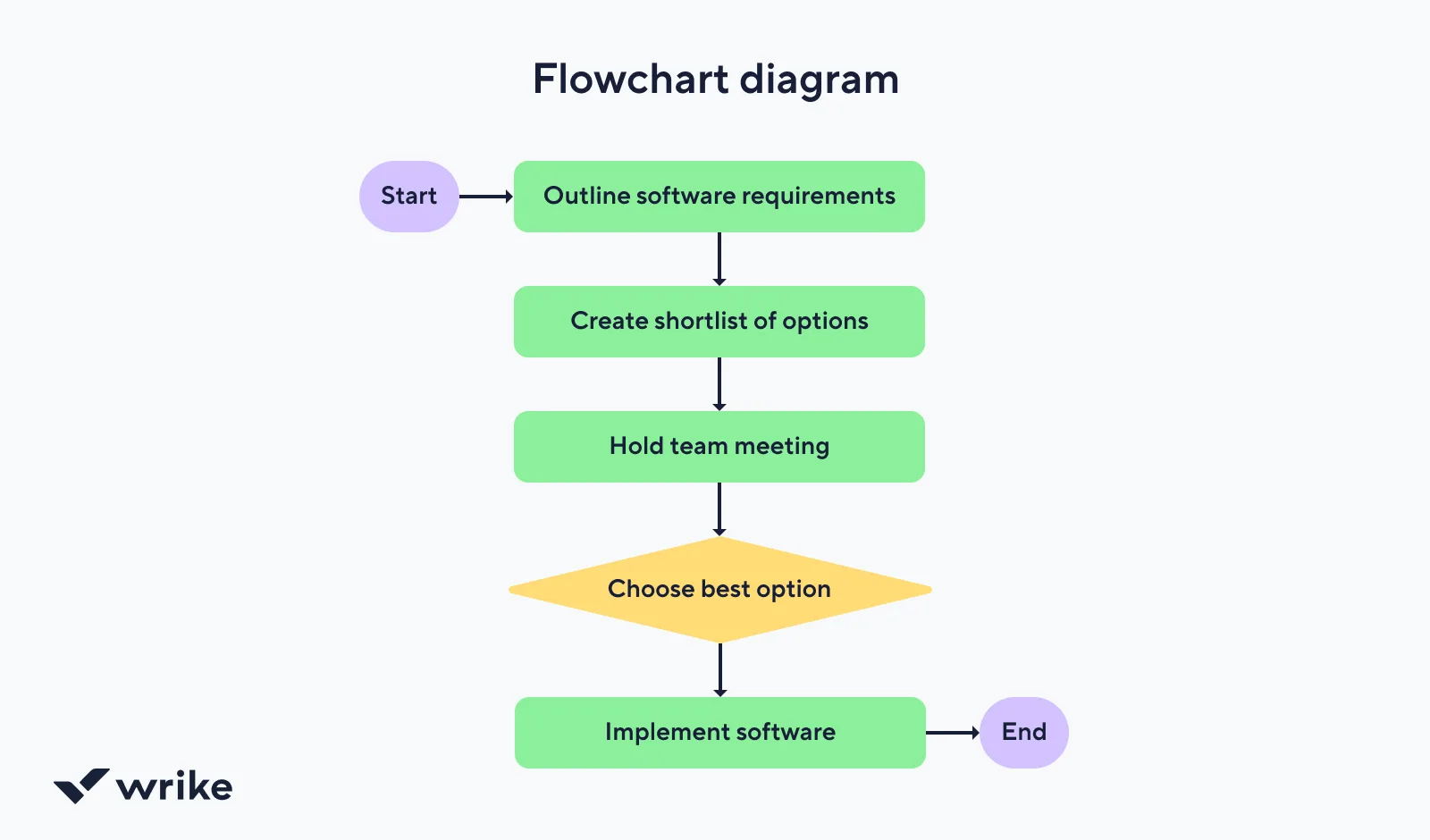
One of the most common mistakes is focusing only on completing tasks rather than improving systems.
Another is delaying automation, which keeps you tied to manual work.
There is also a tendency to take on more work without increasing efficiency.
Real Success Stories: Before and After
A business owner who felt stuck in a constant cycle of work found that their efforts were not translating into growth.
After implementing automation using Appilot, they were able to create systems that reduced manual effort and increased scalability.
Another example involved a team that struggled with repetitive workflows, but after restructuring their system, they achieved more efficient and sustainable growth.
Frequently Asked Questions
One common question is whether it is possible to completely eliminate manual work, and while some level of involvement is always needed, it can be significantly reduced.
Another question is how long it takes to see results, and improvements can be seen quickly once systems are in place.
There is also the concern about complexity, and well-designed systems simplify operations rather than complicate them.
Conclusion: Step Off the Treadmill and Start Moving Forward
If your business feels like a treadmill, it is not because you are not working hard enough, but because your system is not designed to create leverage.
Once you shift from manual execution to structured systems and automation, your work begins to compound, and progress becomes visible.
If you are dealing with this right now, the best step forward is not to run faster, but to change how your system works, because once you do, you will finally move forward instead of staying in place.