Why Your Content Calendar Always Falls Behind
Introduction: Your Calendar Starts Organized—Then Slowly Falls Apart
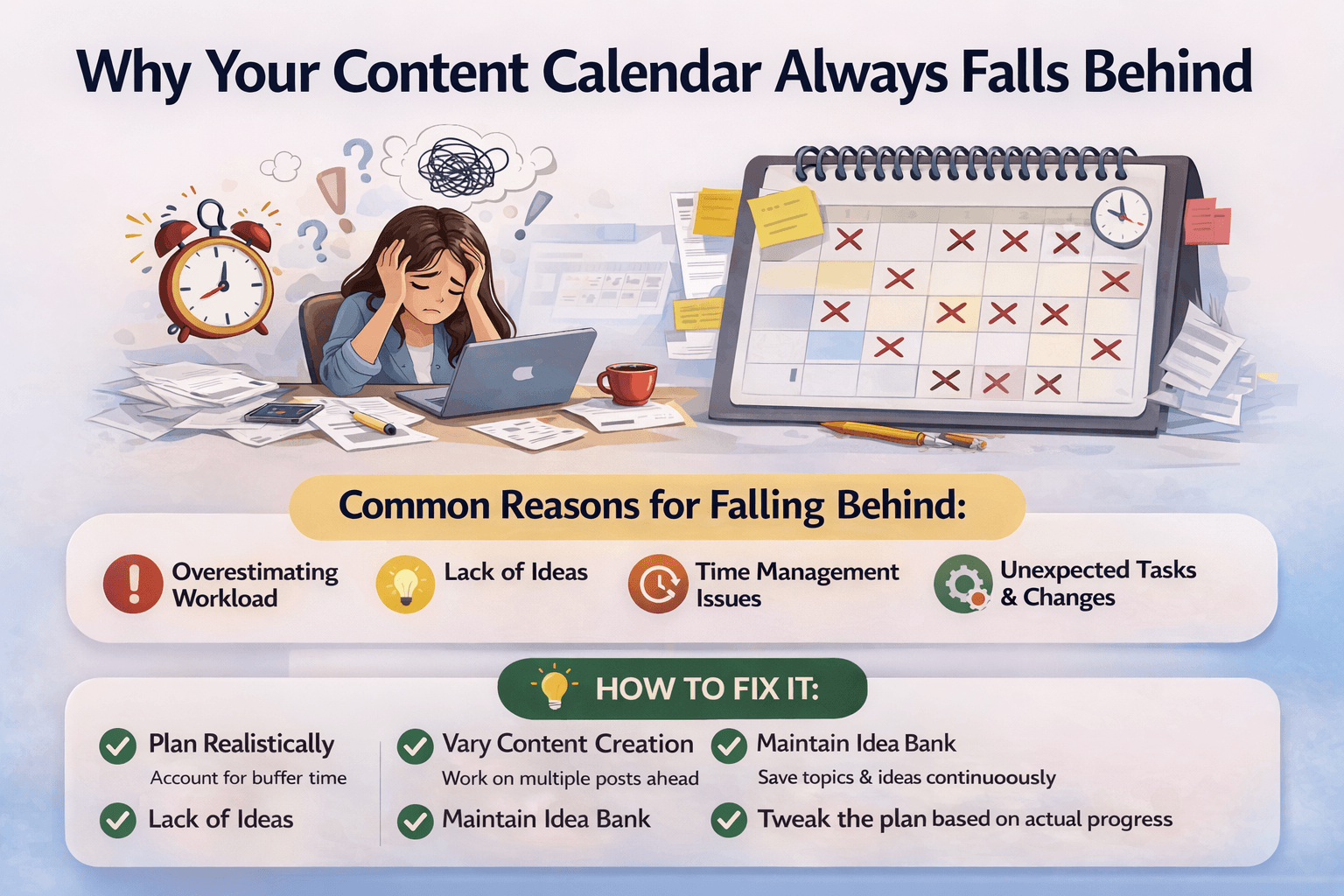
At the beginning, your content calendar usually looks perfect.
You have posting dates, content ideas, account assignments, deadlines, and maybe even draft titles already planned out. Everything feels organized. You think you are finally ahead.
Then reality starts to hit.
A post takes longer than expected. A client changes direction. A design is delayed. A new trend appears and suddenly your planned content feels outdated. One account needs extra attention. Another account misses a posting day completely. Before long, the calendar that looked so organized a week ago starts falling apart.
Eventually, you stop following the calendar completely and go back to posting whatever feels urgent at the time.
This is one of the biggest reasons content operations become stressful. Most content calendars do not fail because people are lazy. They fail because the system behind them is too rigid, too optimistic, and too dependent on everything going perfectly.
Why Content Calendars Keep Breaking
Most people build content calendars as if every piece of content will take the same amount of time and everything will happen exactly as planned.
That almost never happens.
Some posts are quick to make. Others take much longer because they need research, design work, screenshots, editing, approvals, or multiple revisions.
When every task gets treated the same way, the schedule starts slipping very quickly.
Another major problem is that most content calendars only track publishing dates.
They do not track everything that has to happen before the content can actually be published.
A post may need an idea, an outline, a draft, an image, an edit, a review, and a final approval before it is ready. If those earlier steps are not scheduled properly, the final publish date becomes unrealistic.
That is why content calendars often look organized on the surface while hiding a huge amount of unfinished work underneath.
The Biggest Mistake: Planning Too Much Too Rigidly
One of the biggest reasons calendars fall apart is because people try to plan every single post too far in advance.
That sounds smart in theory, but in reality, content changes too quickly.
A trend appears. A platform changes. A client shifts direction. A new pain point becomes more important. Suddenly, half the content planned for next month no longer feels relevant.
This is why content systems need structure without becoming too rigid.
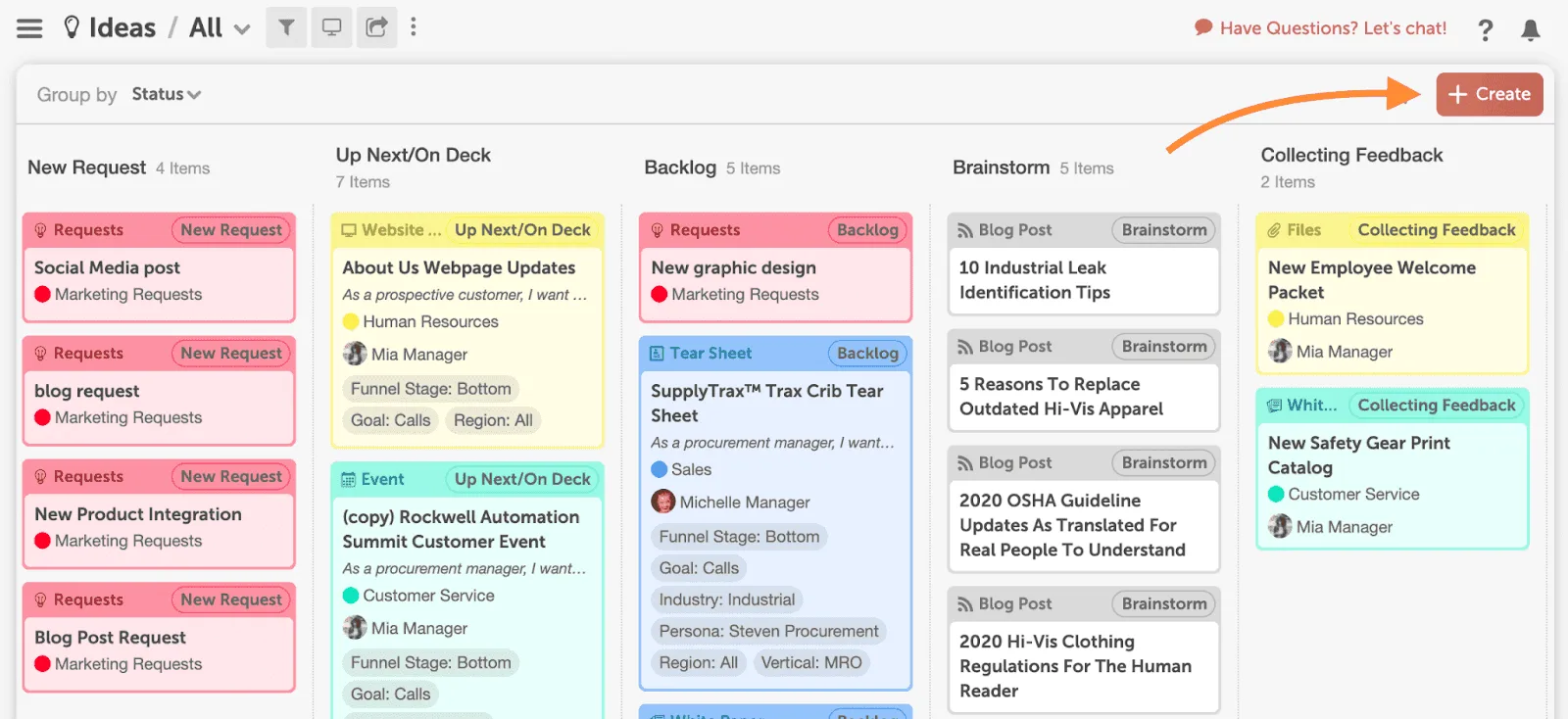
Instead of planning every detail months ahead, it is usually better to plan categories, themes, and content buckets first, then decide on exact topics closer to the posting date.
That gives you enough structure to stay organized without making the calendar too fragile.
Why Most Content Calendars Ignore Capacity
Another major issue is that most people create content calendars based on ideal conditions instead of real workload.
They fill every day with content because it looks productive.
But then reality happens.
Writing takes longer than expected. Images are delayed. Reviews take too long. Unexpected client work appears. Suddenly, there is more content planned than the team can realistically create.
That is when the calendar starts slipping.
A better approach is to plan based on actual capacity.
If you know you can realistically create ten strong posts per week, do not build a calendar that requires twenty.
It is much better to post consistently than to constantly fall behind chasing an unrealistic schedule.
The System That Keeps Calendars On Track
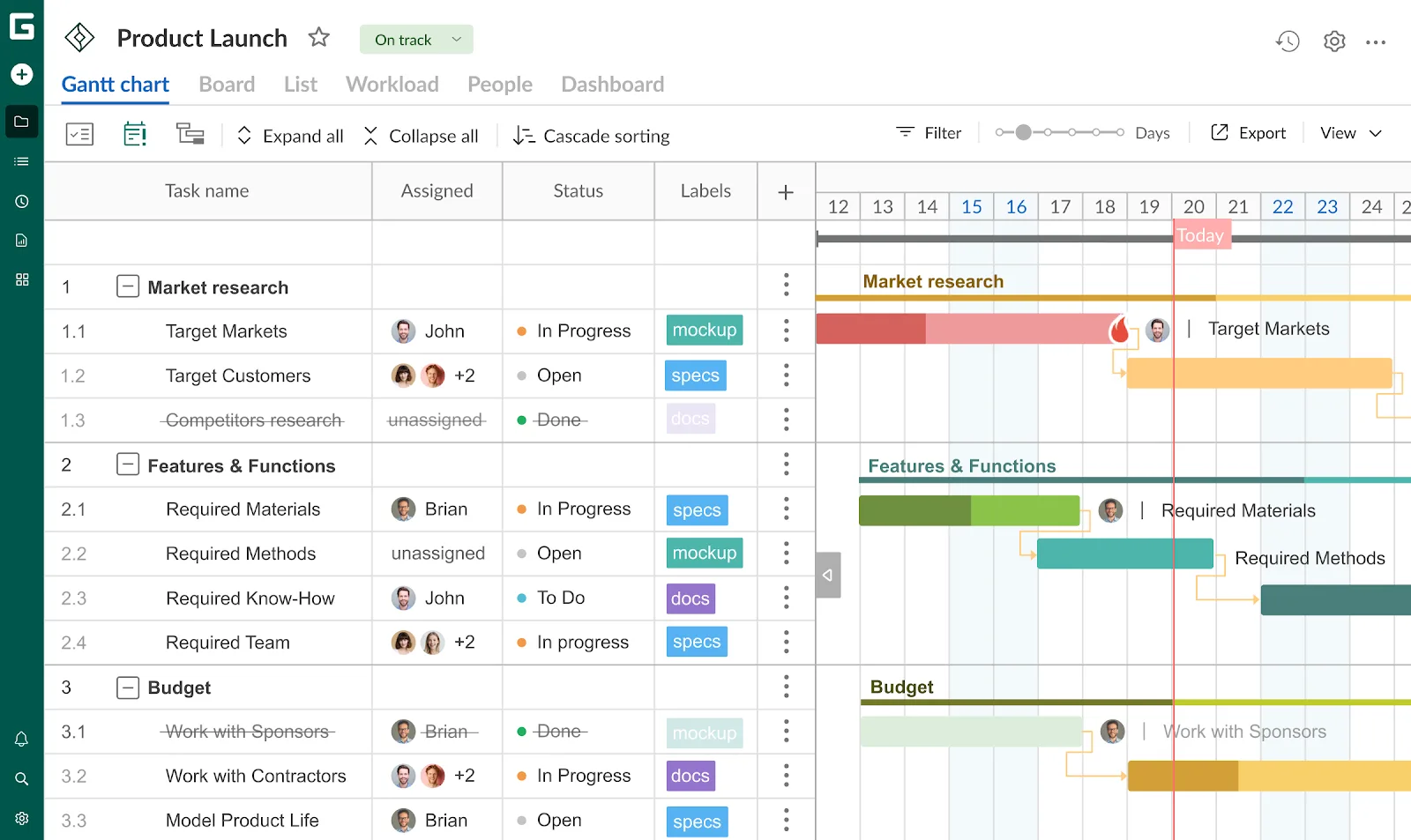
The best content calendars do not just track publish dates.
They track the full workflow behind the content.
That means every post should move through stages like idea, draft, image, review, approval, scheduling, and publishing.
Once you can see exactly where content is getting stuck, it becomes much easier to fix the bottleneck.
The other important step is building extra time into the calendar.
If every post is scheduled at the last possible moment, even one delay can throw everything off. But if you have extra time between creation and publishing, the calendar becomes much more stable.
Batching also makes a huge difference. Instead of trying to create content every day, it is usually easier to batch ideas, writing, visuals, and scheduling into separate sessions. That creates a much smoother workflow and makes the calendar easier to maintain.
Why Centralization Makes Content Calendars Easier to Manage
Content calendars become much harder to maintain when ideas, drafts, visuals, approvals, and schedules are spread across multiple tools.
You may have ideas in a spreadsheet, drafts in documents, images in folders, approvals in chat messages, and scheduling in another platform.
That creates confusion because it becomes difficult to know what is ready, what is delayed, and what still needs work.
This is one of the reasons Appilot becomes useful when content operations start scaling.
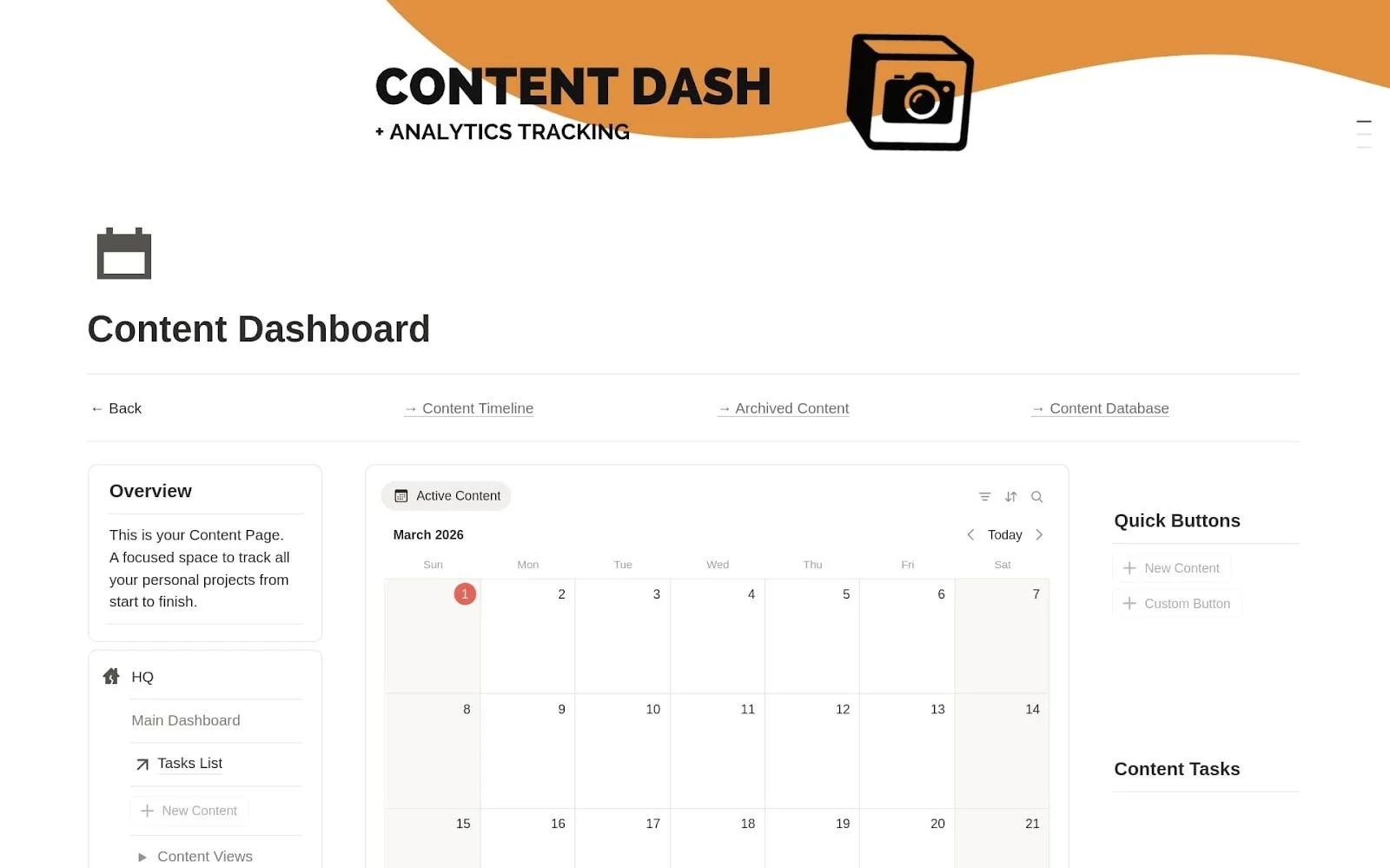
Instead of keeping schedules, browser profiles, Android workflows, content tasks, and account assignments spread across multiple places, everything can stay organized from one dashboard. That makes it easier to see which posts are ready, which accounts are falling behind, which tasks are delayed, and where the bottlenecks are happening.
Conclusion: Your Calendar Is Not Falling Behind Because You Are Bad at Planning
If your content calendar always falls behind, the issue is usually not that you are disorganized.
The problem is that the calendar is too rigid, too optimistic, and too disconnected from the real work required to create content.
Once you start planning around actual workload, workflow stages, batching, and realistic deadlines, content calendars become much easier to maintain.
That is what allows you to stay consistent without constantly feeling like you are already behind.