Why Your Facebook Ad CPM Suddenly Doubled
Your Ads Are Getting More Expensive Even Though Nothing Changed
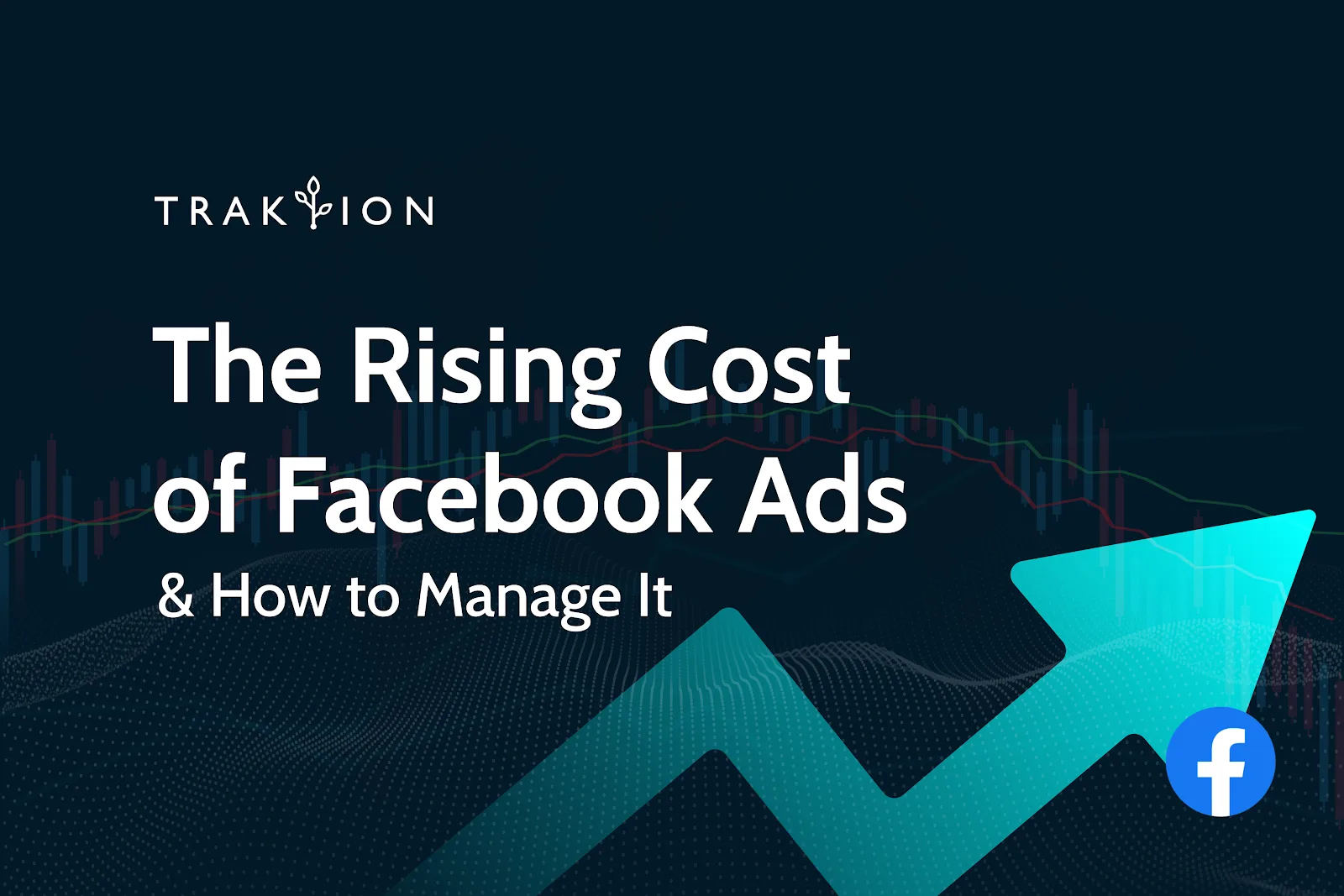
One of the most frustrating things in Facebook advertising is when your CPM suddenly jumps for no obvious reason. One week your campaigns are running profitably, impressions are affordable, and the numbers look stable. Then suddenly the CPM doubles, your cost per click increases, your conversions become more expensive, and the whole campaign starts feeling much harder to scale.
This becomes even more frustrating because sometimes it feels like nothing changed. The same audience is being targeted, the same creatives are running, and the same budget is being used. From your point of view, the campaign looks identical. But from Facebook’s point of view, several factors may have changed behind the scenes.
The important thing to understand is that CPM does not increase randomly. Facebook raises CPM when the platform believes it is harder or more expensive to show your ads to the audience you want.
Why Facebook CPM Changes So Quickly
Facebook CPM is affected by supply and demand.
If more advertisers compete for the same audience, CPM rises. If there are fewer available impressions, CPM rises. If Facebook thinks your ad is less engaging or less relevant, CPM can also rise because the platform needs to spend more impressions to get the same result.
This is why CPM can change quickly even if you do not touch the campaign.
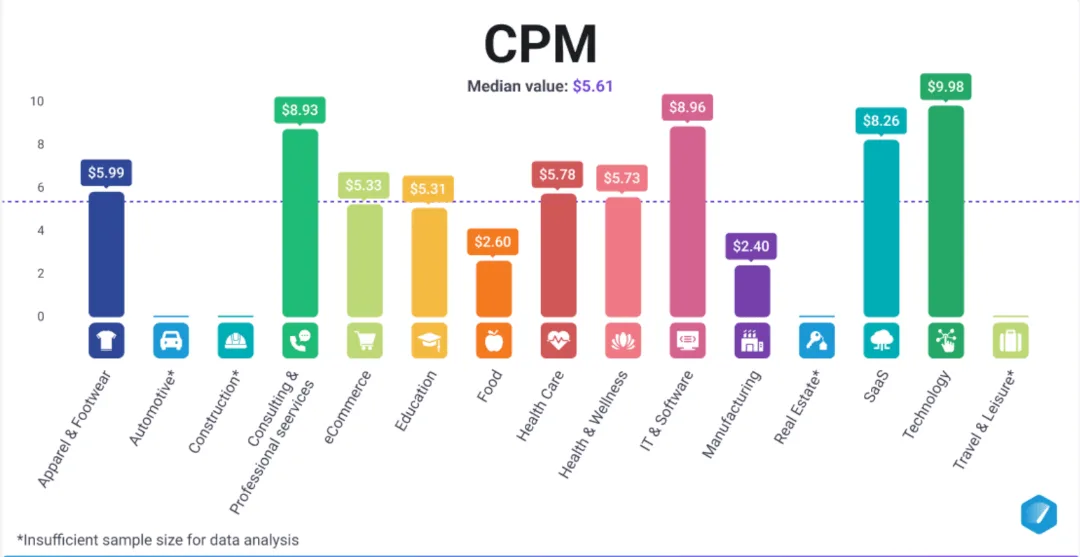
For example, CPM often increases around major shopping periods, holidays, elections, sports events, product launches, and seasonal spikes because more advertisers are fighting for the same audience. A campaign that performed well in early October may become much more expensive in late November simply because competition increased across the whole platform.
The Biggest Mistake: Targeting Audiences That Are Too Small
One of the biggest reasons CPM rises suddenly is because the audience is too narrow.
If you target a very specific age group, location, interest group, job title, income level, behavior, and device type all at the same time, Facebook may have very few people available to show the ad to.
That creates more competition inside a smaller audience pool.
For example, targeting women aged 30 to 35 in one city with five layered interests is usually much more expensive than targeting a broader audience with fewer restrictions.
This becomes even worse if you are running multiple campaigns against similar audiences because your own campaigns may start competing against each other.
The stronger approach is broadening the targeting where possible.
Larger audiences usually give Facebook more room to find cheaper impressions.
Why Weak Creatives Raise CPM
Facebook wants to show users ads they are likely to engage with.
If your creative has weak click-through rates, poor watch time, low engagement, or negative feedback, Facebook may increase CPM because the platform sees the ad as less valuable to users.
This is one of the reasons old creatives often become more expensive over time.
At first the ad may perform well because it feels fresh. Then as the same audience sees it repeatedly, people stop clicking, stop engaging, and start ignoring it. Facebook notices that drop in engagement and the CPM begins increasing.
That is why rising CPM is often a creative problem, not just an audience problem.
Why High Frequency Makes CPM Worse
A lot of CPM problems happen because the same people keep seeing the same ad over and over again.
When frequency rises too high, the audience becomes tired of the ad. People stop clicking, engagement drops, and Facebook starts charging more to keep delivering impressions.
This is especially common in retargeting campaigns because those audiences are naturally smaller.
For example, if you keep showing the same retargeting ad to the same website visitors for several weeks, the CPM will often keep rising because the audience is exhausted.
The easiest way to reduce this issue is by refreshing creatives more often, expanding the audience, or lowering spend on smaller audiences.
Why Placement Restrictions Increase CPM
A lot of advertisers accidentally make CPM worse by limiting placements too aggressively.
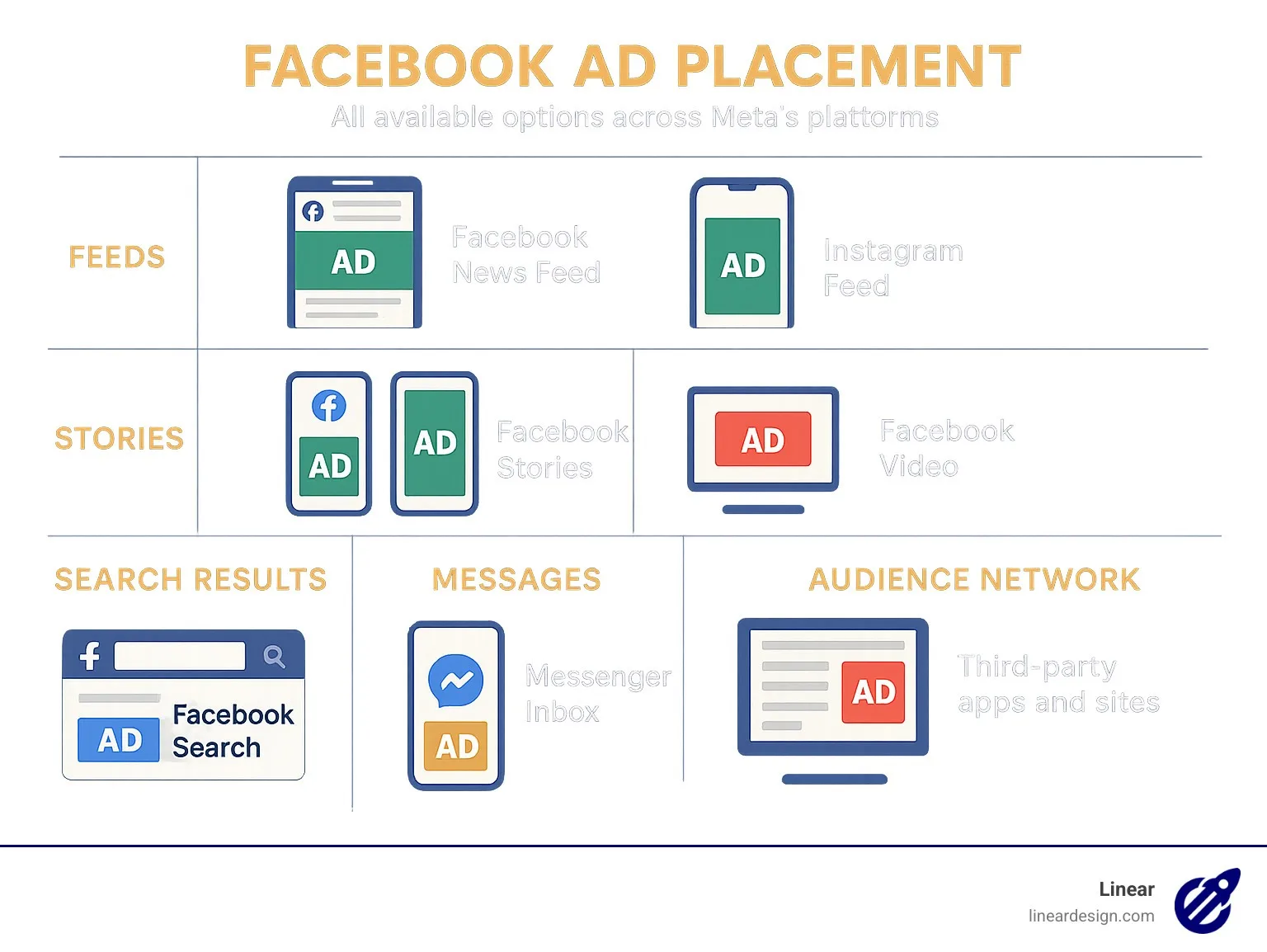
For example, if you only run ads on Instagram Feed or only on Facebook Feed, Facebook has fewer places where it can deliver impressions cheaply.
The same campaign may become much more affordable if you allow more placements like Stories, Reels, Audience Network, and right column placements.
The more flexibility Facebook has, the easier it becomes for the system to find cheaper impressions.
This is why automatic placements often perform better than manually restricting where the ads can run.
Why Better Campaign Organization Matters
CPM problems become much harder to diagnose when creatives, audiences, budgets, placements, and reporting are spread across different systems. You may have one place for ad copy, another for creative assets, another for audience notes, and another for campaign tracking. That makes it difficult to see which campaigns are getting more expensive and why.
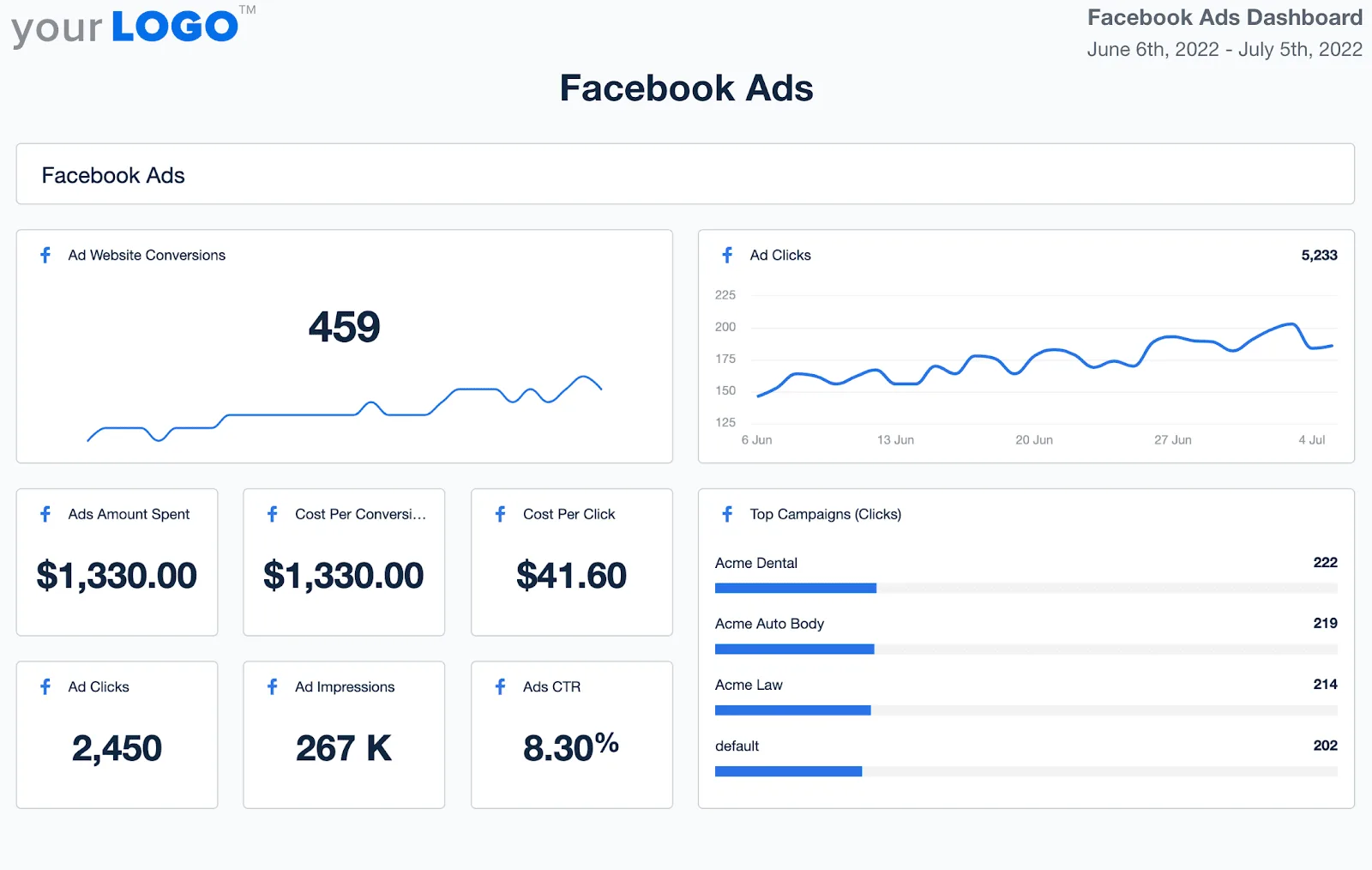
This is one of the reasons Appilot becomes useful when advertising operations start scaling. Instead of keeping browser workflows, Android automations, campaign assets, audience notes, budget tracking, creative history, and task logs spread across different systems, everything can stay visible from one dashboard. That makes it easier to compare CPM across campaigns, identify creative fatigue faster, monitor audience overlap, and keep ad costs under control across multiple accounts.
Conclusion: CPM Usually Increases When Competition, Audience Size, Or Ad Quality Changes
If your Facebook ad CPM suddenly doubled, the issue is usually not that Facebook randomly decided to charge more. The problem is often that competition increased, the audience became smaller, the creatives got weaker, or the account started showing lower engagement signals.
Once you refresh creatives, broaden audiences, improve engagement, and avoid overly narrow targeting, it becomes much easier to keep CPM under control. That is what allows campaigns to stay profitable without paying dramatically more for the same impressions.