Why Your Performance Metrics Keep Fluctuating Wildly (And How to Stabilize Them)

Some Days Everything Looks Great… Other Days It Drops Completely
You open your dashboard expecting patterns, but instead you see spikes, drops, and numbers that refuse to behave consistently. One day performance looks strong, the next day it feels like everything has collapsed, and then it jumps back again without a clear reason.
At first, you assume it is normal variation, maybe timing, maybe platform behavior, maybe external factors, but over time the inconsistency becomes too frequent to ignore. You start questioning your strategy, your execution, and even the reliability of your data.
This is where things get frustrating. You are putting in consistent effort, but the results are not reflecting that consistency. It becomes harder to make decisions because you cannot tell whether changes are working or if the fluctuations are masking the real signal.
This is not random. When metrics fluctuate wildly, it is usually a sign that the system generating those metrics is inconsistent.
Why Your Metrics Are Fluctuating So Much
The most common assumption is that fluctuations are caused by external factors, and while that can be true to some extent, the bigger issue is usually internal inconsistency.
The first cause is inconsistent execution. When tasks are performed at different times, in different ways, or under different conditions, the results naturally vary. Even small variations can create noticeable swings in metrics.
The second cause is fragmented environments. Running workflows across different devices, accounts, or setups introduces variability in how platforms interpret behavior, which affects performance outcomes.
The third cause is irregular timing. Posting or executing actions at inconsistent intervals can lead to uneven engagement patterns, which appear as spikes and drops in your data.
The fourth cause is unstable tracking. When data is collected through multiple tools or methods, inconsistencies in tracking can amplify fluctuations.
The Hidden Cost of Unstable Metrics
When your metrics are unstable, the impact goes beyond confusing dashboards.
Decision-making becomes unreliable because you cannot distinguish between real trends and random variation. This makes it harder to optimize performance effectively.
Client communication becomes more difficult as well. Explaining fluctuations repeatedly reduces confidence, even if overall performance is acceptable.
There is also a time cost. Instead of focusing on improving results, you spend time analyzing noise and trying to identify patterns that may not actually exist.
Most importantly, instability prevents scaling. Without consistent data, it becomes difficult to build predictable systems that can grow over time.
The Real Problem: Your Execution Is Not Consistent
The core issue is not the metrics themselves, but the system generating them.
When execution varies across time, environment, or process, the output will naturally vary as well. Metrics are simply reflecting that inconsistency.
What you need is not better analysis, but more consistent execution.
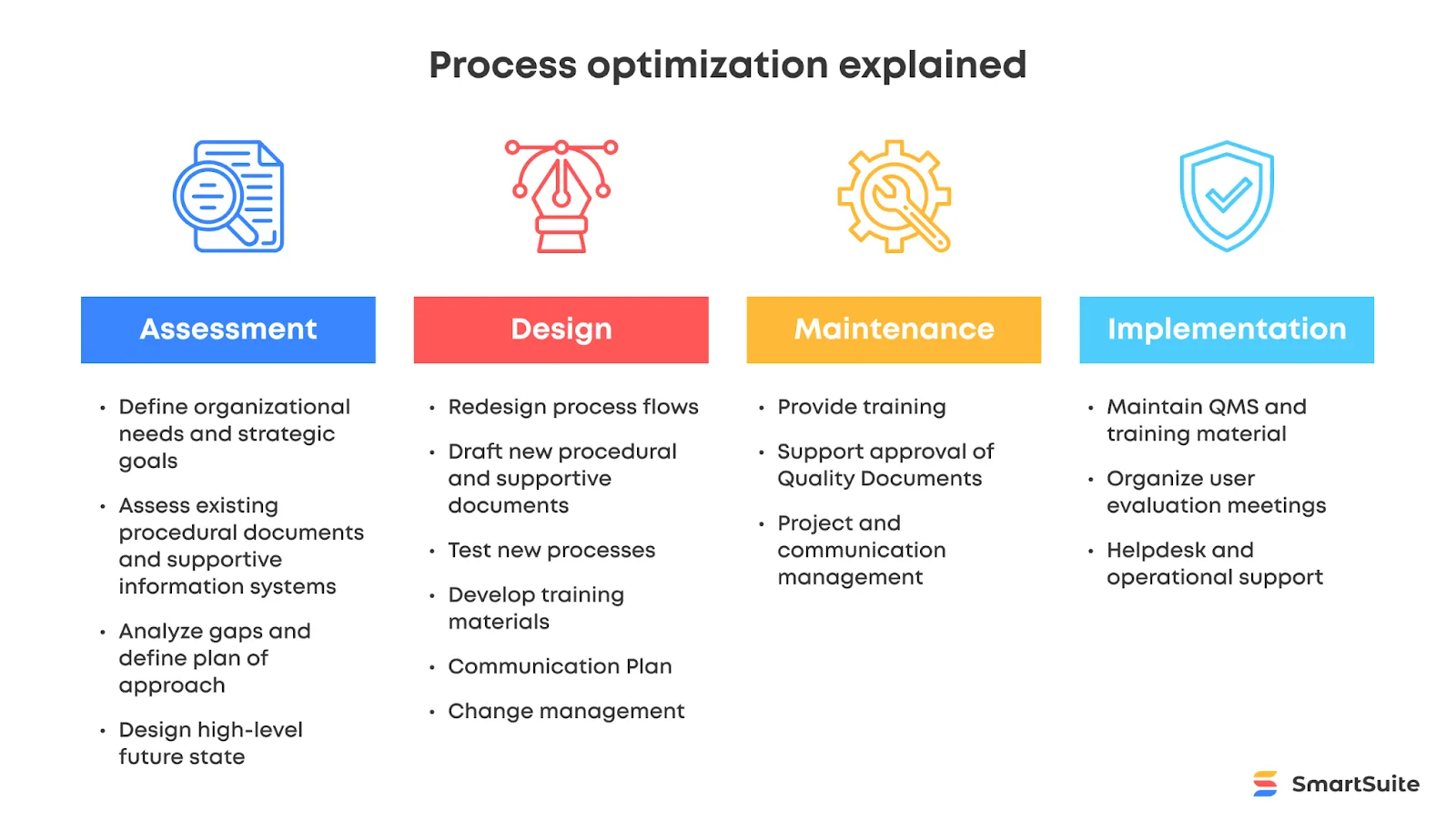
The Complete Solution: Standardize How Work Is Done
The only way to stabilize metrics is to reduce variability in execution.
The first step is stabilizing timing. Tasks should be performed at consistent intervals so that results are generated under similar conditions.
The second step is standardizing environments. Actions should be executed from controlled setups to ensure that platforms interpret behavior consistently.
The third step is structuring workflows. Instead of relying on manual execution, you define processes that produce the same output every time.
This is where many teams struggle, because maintaining consistency across multiple accounts, tools, and environments requires coordination and infrastructure.
This is also where tools like Appilot become relevant.
Instead of running workflows across scattered environments, Appilot allows you to execute actions on real devices within a centralized system, which ensures that execution remains consistent. This reduces variability and makes your metrics more stable.
You could attempt to standardize this manually using multiple tools and strict processes, but maintaining that consistency at scale becomes difficult. Appilot simplifies this by handling the execution layer, ensuring that actions are performed under controlled conditions.
The key shift is moving from variable execution to standardized systems.
Why Consistency Stabilizes Performance
Once execution becomes consistent, your metrics begin to stabilize naturally.
Results become more predictable because they are generated under similar conditions each time.
Patterns become clearer because noise is reduced, making it easier to identify what is actually working.
Optimization becomes more effective because changes can be measured accurately without being masked by random variation.
Most importantly, your data becomes reliable enough to support decision-making.
How to Prevent This From Happening Again
Stability is not a one-time fix, it requires maintaining consistency as your operations grow.
You ensure that all workflows follow the same execution patterns, avoiding variations that introduce instability.
You monitor performance regularly to detect early signs of inconsistency before they become larger issues.
You refine your system over time, ensuring that it evolves while maintaining structure.
Common Mistakes That Make This Worse
One of the most common mistakes is reacting to fluctuations instead of fixing the system, which leads to constant adjustments without addressing the root cause.
Another mistake is relying on inconsistent execution environments, which introduces variability into results.
Some teams attempt to analyze data more deeply without improving how it is generated, which increases complexity without improving stability.
The most critical mistake is assuming that fluctuations are unavoidable, when they are often a direct result of how workflows are structured.
Conclusion: Metrics Reflect Your System
If your performance metrics fluctuate wildly, it is not because your strategy is failing, it is because your execution is inconsistent.
Once you standardize how work is done, your metrics stabilize because the system producing them becomes predictable.
You can continue trying to manage fluctuations manually, but as your operations grow, the variability will grow with it.
At some point, you either build a system that ensures consistent execution or use one that already does.
That is where platforms like Appilot fit in, not as a performance tool, but as a way to create a stable execution environment that makes your metrics reliable and easier to understand.