Why Your “Secure” Setup Still Got Breached (And How to Fix the Real Problem)
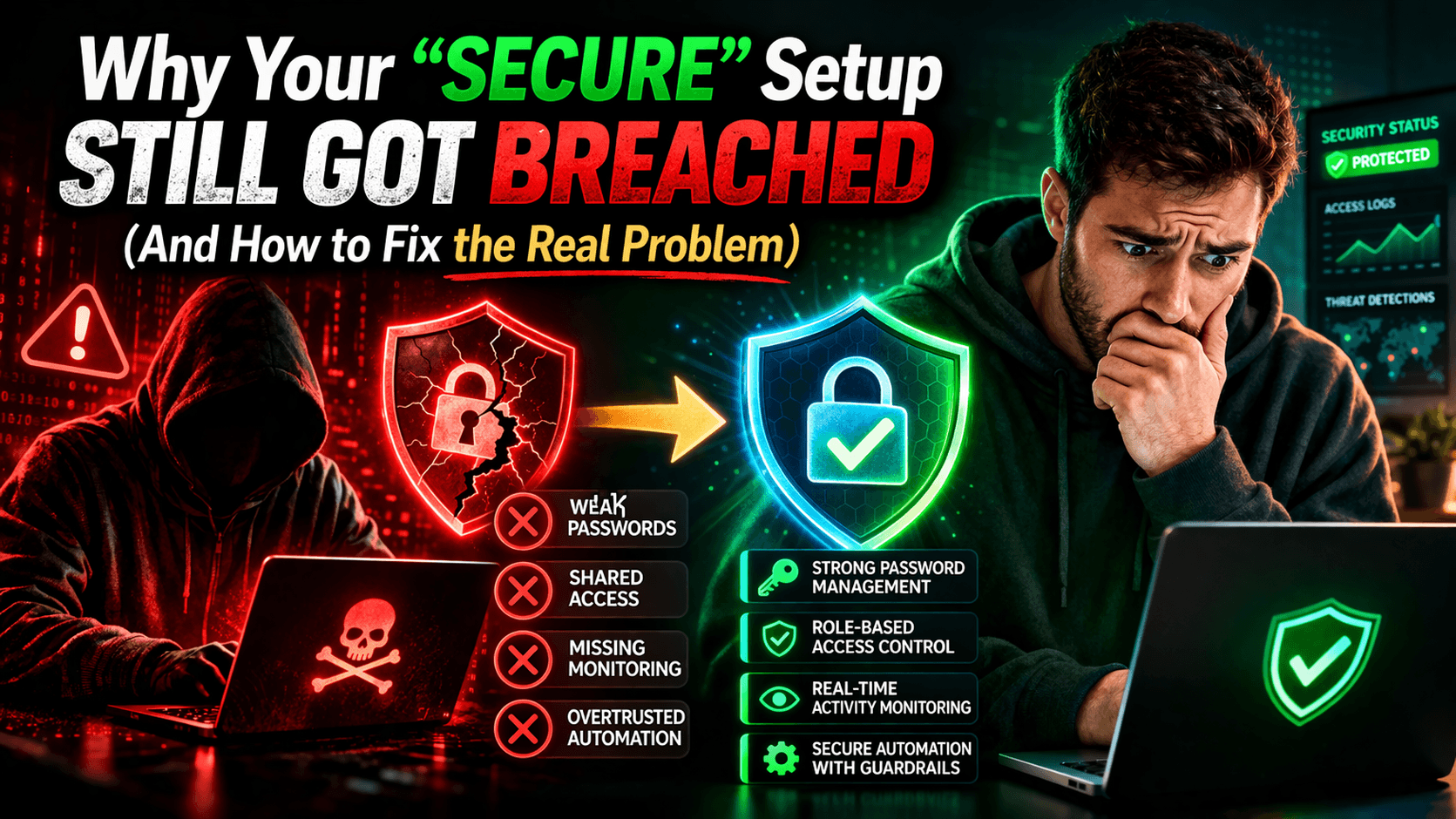
You did everything right, or at least it felt that way, strong passwords, two-factor authentication, maybe even proxies, separate profiles, and a structured workflow that seemed secure on the surface, yet despite all of that, something still went wrong.
An account gets accessed unexpectedly, activity appears that you did not initiate, or a system behaves in a way that clearly indicates that someone else has been inside, and the most confusing part is not just that it happened, but that it happened despite all the precautions you took.
This creates a deeper kind of frustration, because it shakes your confidence in your setup, making you question whether anything is truly secure or whether there are gaps you cannot see.
You retrace your steps, check passwords, review access, and look for obvious mistakes, but nothing stands out, which makes the situation even more unsettling, because the breach did not come from a clear, visible failure.
You are not alone in this, and more importantly, this is not because security measures like strong passwords or two-factor authentication do not work, but because most setups are only partially secure, protecting certain layers while leaving others exposed.
The good news is that breaches are rarely random, they follow patterns, and once you understand where those hidden vulnerabilities exist, you can fix them in a way that makes your system significantly more resilient.
Why “Secure” Systems Still Get Breached
Most setups focus on obvious security measures, but breaches often occur in less visible areas that are just as critical.
Security Is Often Fragmented
You might have strong passwords and 2FA, but if other parts of your system are weak, those protections can be bypassed or undermined.
Session and Environment Vulnerabilities
Even if login credentials are secure, sessions can be hijacked or environments can be exploited, allowing access without needing to break authentication directly.
Overlooked Access Points
APIs, integrations, shared tools, and third-party services can create additional entry points that are not always monitored or secured properly.
Human and Process Gaps
Security is not just technical, it involves how access is managed, how systems are used, and how consistently protocols are followed.
The Hidden Cost of a Breach
A breach does not just compromise a single account, it can disrupt workflows, damage trust, and create operational instability that takes time to recover from.
You may need to reset systems, audit access, and rebuild confidence in your setup, all of which require significant effort.
More importantly, it creates uncertainty, making it harder to scale because every additional account or workflow feels like an increased risk.
The Complete Solution: Fix the System, Not Just the Symptoms
Fixing breaches requires moving beyond individual security measures and addressing the system as a whole.
The first step is identifying all access points, ensuring that every way into your system is accounted for and secured, not just primary logins.
Next, you need to implement consistent security practices across all layers, ensuring that no part of your system is left weaker than the rest.
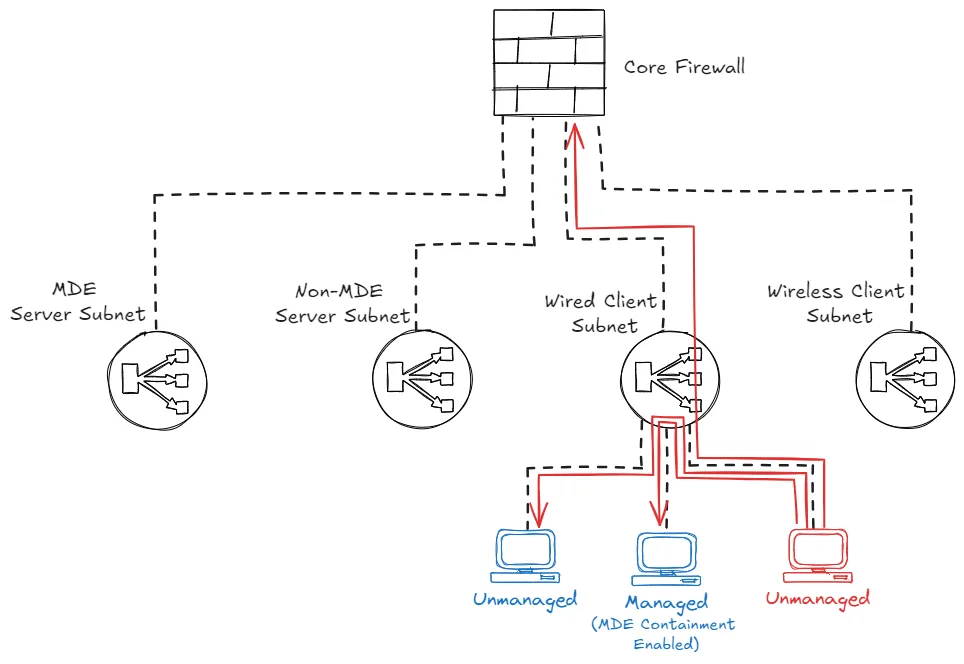
Isolation becomes critical here, because separating environments reduces the risk of issues spreading across accounts or workflows.
This is where using controlled execution environments becomes important, and platforms like Appilot help by running automation on isolated devices, reducing exposure and limiting the impact of potential vulnerabilities.
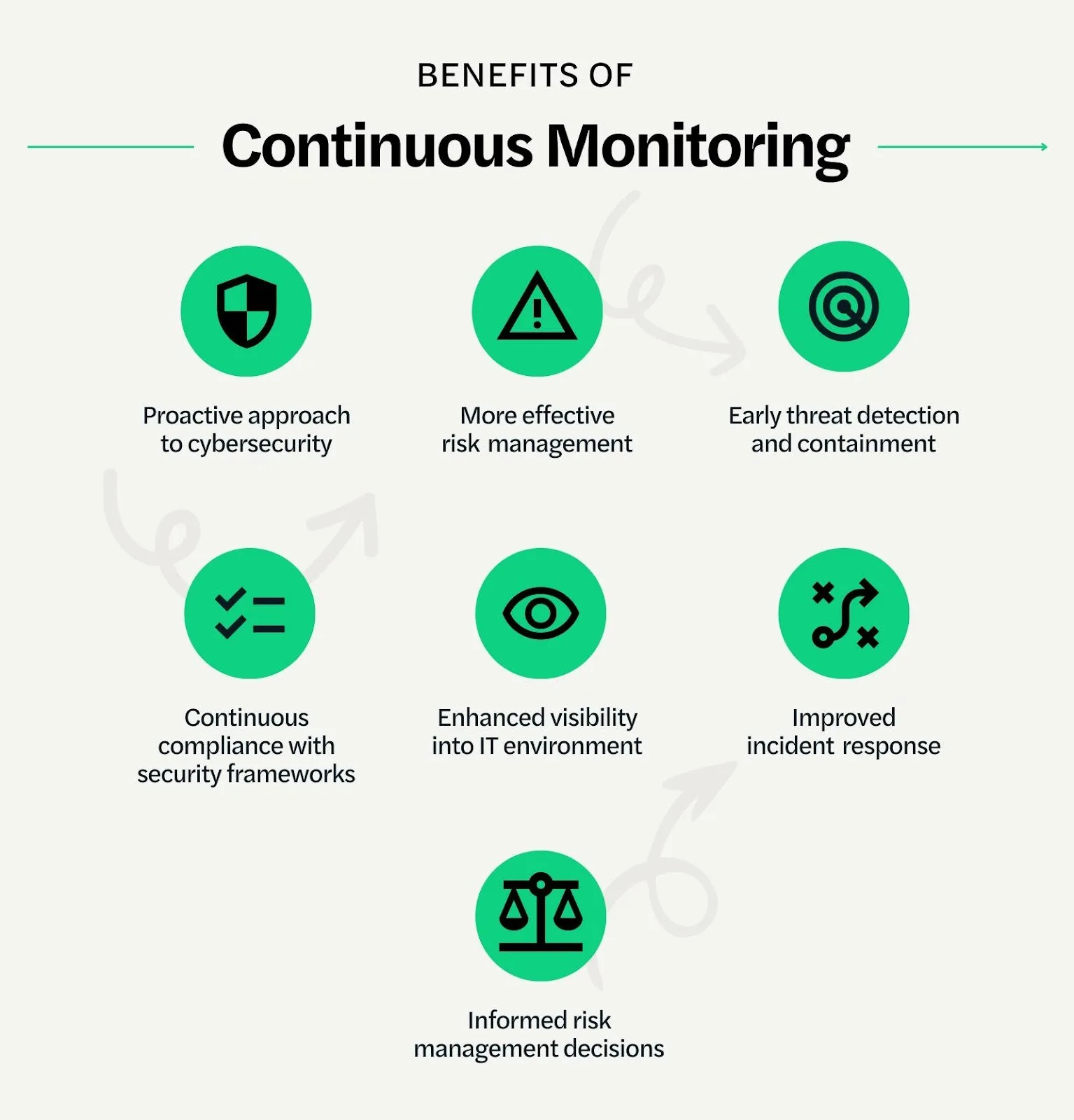
Monitoring is equally important, because early detection allows you to respond quickly before issues escalate.
The goal is not to create a system that can never be breached, but to create one where breaches are difficult, contained, and quickly detected.
How to Prevent Future Breaches
Prevention starts with treating security as a continuous process rather than a one-time setup.
Regular audits help you identify vulnerabilities and ensure that your system remains aligned with current threats.
Automation can help enforce security protocols, reducing reliance on manual processes.
Common Mistakes That Leave Systems Exposed
One of the most common mistakes is focusing only on login security while ignoring other entry points.
Another is assuming that once a system is set up, it remains secure without ongoing maintenance.
There is also a tendency to underestimate the importance of environment isolation.
Real Success Stories: Before and After
A user who believed their setup was secure experienced a breach that exposed weaknesses in their environment and access management.
After implementing a more comprehensive system and using Appilot for isolated execution, they were able to reduce vulnerabilities and improve overall security.
Another example involved a team that faced repeated security issues, but after restructuring their system, they achieved a more resilient setup.
Frequently Asked Questions
One common question is whether any system can be completely secure, and while absolute security is not possible, risk can be significantly reduced with the right approach.
Another question is how often security should be reviewed, and regular audits are essential to maintaining a strong system.
There is also the concern about complexity, and while comprehensive security requires structure, it ultimately improves reliability.
Conclusion: Build Security That Actually Holds
If your “secure” setup still got breached, it is not because security measures do not work, but because the system as a whole was not fully protected.
Once you shift from isolated protections to a comprehensive, layered approach, you create a setup that is far more resilient and reliable.
If you are dealing with this right now, the best step forward is not to add more individual protections, but to rethink your system, because once you do, security becomes something you can rely on rather than something you constantly worry about.