Why Your Shopify Store Traffic Dropped Suddenly
The Store Was Growing Fine Until Traffic Suddenly Fell
One of the most frustrating things for Shopify store owners is seeing traffic suddenly drop without any clear explanation. The store may still be live, products may still be available, and marketing campaigns may still be running, but visitors disappear and sales start slowing down.
This becomes especially confusing because traffic drops can happen very quickly. One week the store is getting steady visitors from ads, SEO, social media, or email campaigns, and the next week everything starts falling apart.
That leaves you trying to figure out whether the problem came from search rankings, ad performance, tracking issues, social platforms, or something else entirely.
The important thing to understand is that Shopify traffic usually does not disappear randomly. In most cases, one or more traffic sources stopped performing, the store became less visible, or the customer experience started getting weaker.
Why Shopify Traffic Drops Suddenly
Most traffic drops happen because one of the main acquisition channels becomes weaker.
For example, if Facebook ads stop performing, Google rankings drop, email open rates fall, influencer traffic disappears, or TikTok reach declines, the total store traffic can fall very quickly.
The same thing can happen if ad accounts get restricted, campaigns stop spending, SEO rankings change, tracking pixels break, or product pages load too slowly.
Shopify stores often depend heavily on one or two traffic sources.
That becomes risky because if one channel fails, the whole store can feel like it suddenly stopped growing.
The Biggest Mistake: Assuming The Problem Is Only One Platform
One of the biggest mistakes store owners make is assuming the problem only comes from one source.
For example, if Facebook ad traffic drops, many people immediately blame Facebook without checking whether Google traffic, email traffic, SEO, influencer campaigns, or direct traffic also changed.
That usually leads to the wrong fix.
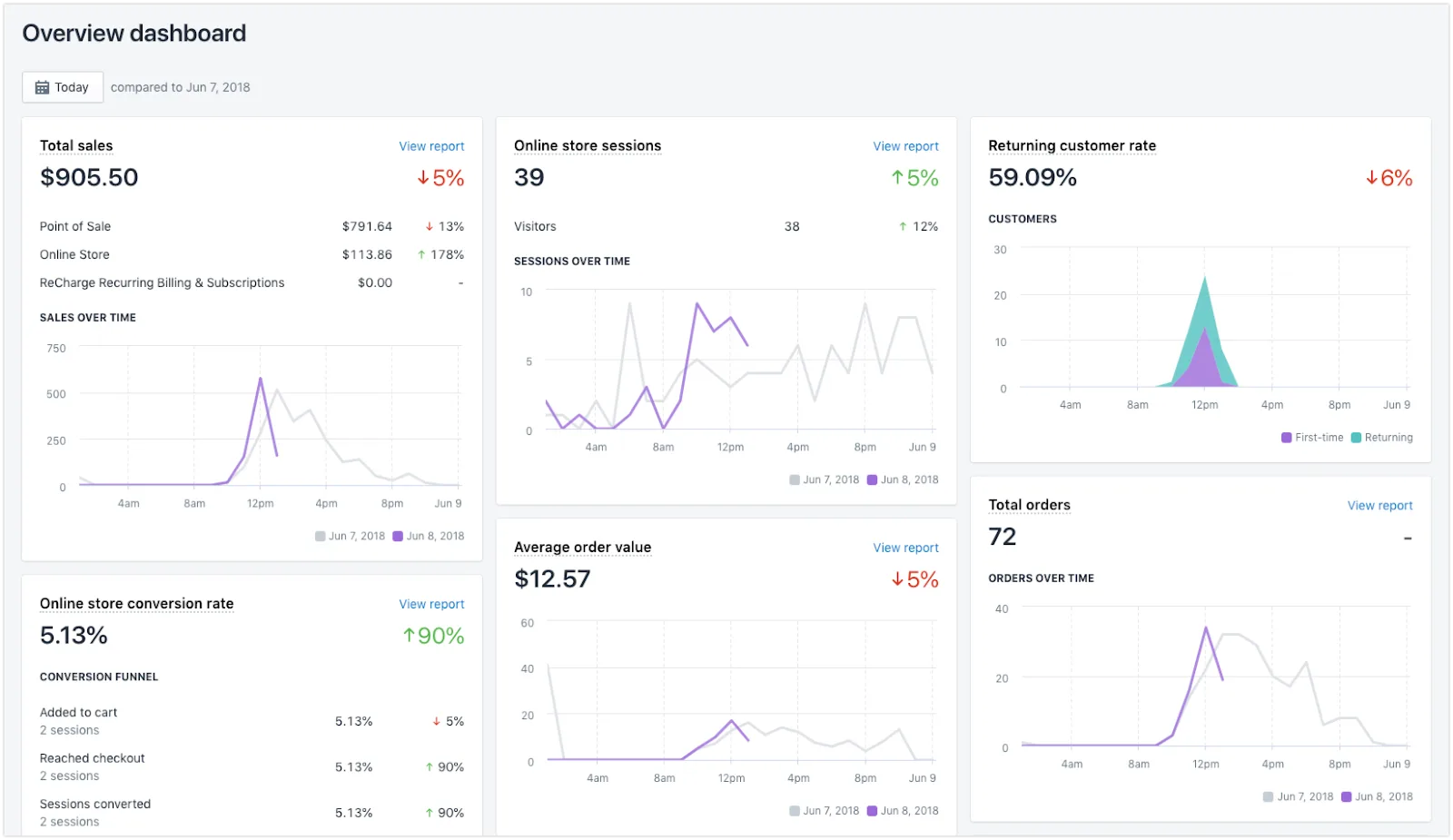
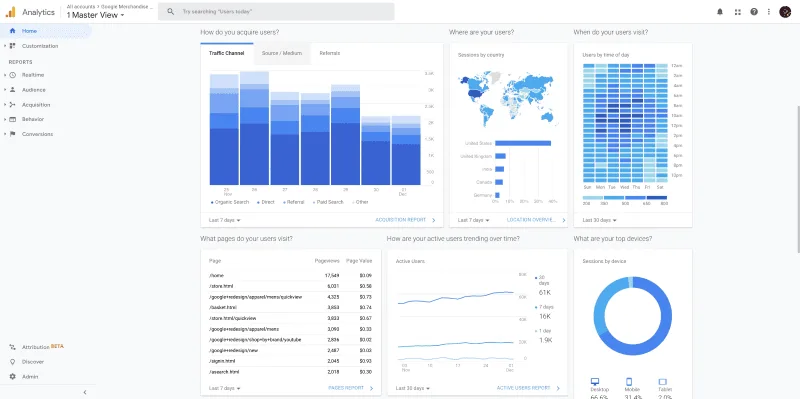
The stronger approach is reviewing the full traffic breakdown.
Look at paid traffic, organic search, email, social media, referral traffic, influencer traffic, direct traffic, and repeat visitors.
Sometimes the issue is not that one source disappeared. The real issue is that several smaller problems started happening at the same time.
Why Tracking Problems Cause So Much Confusion
A lot of Shopify traffic drops are not real traffic drops at all.
Sometimes the visitors are still coming, but the tracking stopped working correctly.
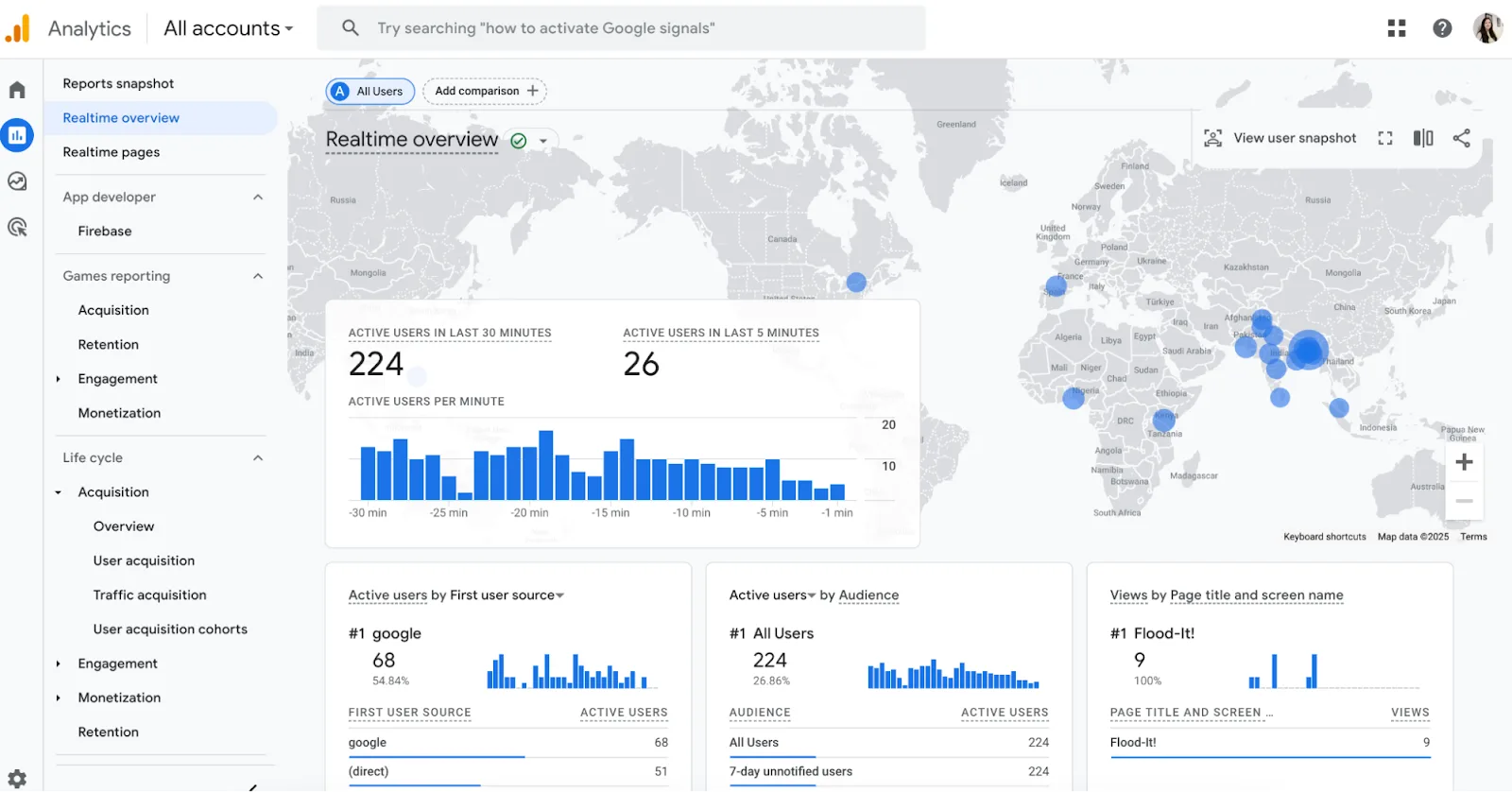
For example, broken Facebook Pixels, Google Analytics setup problems, incorrect UTMs, cookie issues, or theme changes can all make traffic appear lower than it really is.
This becomes especially common after changing themes, editing code, installing apps, or redesigning the store.
If tracking breaks, it can look like the business suddenly lost traffic even though the visitors are still there.
Why Store Speed And User Experience Matter
Traffic can also drop when the store becomes slower or harder to use.
If product pages take too long to load, images are too large, popups are too aggressive, or the checkout experience feels confusing, visitors are more likely to leave quickly.
That can hurt ad performance, SEO rankings, conversion rate, and repeat traffic all at the same time.
The same thing can happen if the mobile version of the store is weak because most Shopify traffic usually comes from mobile devices.
Even small speed improvements can make a major difference.
Why Better Systems Reduce Traffic Problems
Traffic problems become much harder to manage when ad accounts, analytics, SEO notes, influencer campaigns, email data, and store updates are spread across different systems. You may have one place for ads, another for SEO, another for email campaigns, and another for analytics. That makes it difficult to see which traffic source is really falling and where the biggest problems are happening.
This is one of the reasons Appilot becomes useful when Shopify operations start scaling. Instead of keeping browser workflows, Android automations, analytics reviews, ad account notes, campaign schedules, SEO tracking, and task history spread across different systems, everything can stay visible from one dashboard. That makes it easier to monitor traffic changes, compare marketing channels, review tracking issues, and reduce the chance of sudden traffic drops across multiple Shopify stores.
Conclusion: Shopify Traffic Usually Drops When One Or More Channels Stop Performing
If your Shopify store traffic dropped suddenly, the issue is usually not that visitors randomly stopped coming. The problem is often that ad performance weakened, SEO rankings changed, tracking broke, or the customer experience became worse.
Once you review all traffic sources, fix tracking issues, improve store speed, and organize marketing data more carefully, it becomes much easier to recover traffic and start growing again.