Why Your Team Can’t Scale Past 5 People (And How to Fix It)

You Added More People… But Everything Got Slower
At some point, growth starts to feel backwards. You hire more people expecting output to increase, but instead things slow down, communication becomes messy, decisions take longer, and suddenly you are more involved in day-to-day operations than you were when the team was smaller.
It usually happens around the same stage. Two people felt efficient, three still worked, four started showing cracks, and by the time you reach five, everything feels heavier than it should. Tasks that used to take hours now take days, and simple coordination turns into constant back-and-forth.
What makes this confusing is that nothing obvious is “wrong.” Your team is capable, the work is clear, and the demand is there, but progress does not scale with headcount. Instead, it plateaus, and sometimes even declines.
This is not a hiring problem, and it is not a talent problem. It is a structural limitation that almost every growing team hits, and unless you fix it at the system level, adding more people will only amplify the inefficiency instead of solving it.
Why Teams Get Stuck at Around 5 People
Most teams assume scaling issues happen because communication becomes harder as more people are added, but that is only a surface-level explanation. The real issue is that early-stage workflows are designed for direct coordination, not structured execution.
In small teams, everything runs on context. People ask questions quickly, decisions are made informally, and tasks are flexible. This works when there are only a few people because everyone shares the same understanding. But once the team grows, this reliance on shared context breaks down.
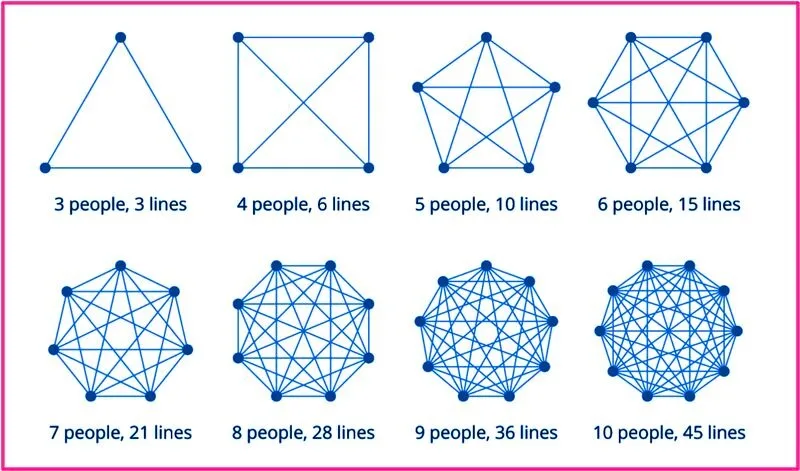
The first major issue is coordination overhead. Every new person increases the number of communication paths exponentially, which means more time is spent aligning than executing. What used to be a quick decision now requires multiple confirmations.
The second issue is process ambiguity. In early stages, processes are often loosely defined because they do not need to be rigid. However, as the team grows, this ambiguity forces each person to interpret tasks differently, leading to inconsistent outcomes.
The third issue is execution inconsistency. When multiple people perform the same task without a standardized system, results vary. This creates rework, corrections, and inefficiencies that compound over time.
The fourth issue is dependency bottlenecks. The founder or team lead often becomes the central decision-maker, which means work cannot move forward without their input. As the team grows, this bottleneck becomes more pronounced.
The Hidden Cost of Not Fixing This
When a team cannot scale past five people, the cost is not just slower growth, it is structural stagnation.
Every new hire adds complexity without proportional output, which means your cost increases while efficiency decreases. Over time, this creates a situation where growth feels expensive instead of productive.
There is also a time cost that is often overlooked. As coordination increases, a significant portion of your day is spent managing communication instead of building or executing. This reduces your ability to focus on strategic work.
From a business perspective, this becomes a ceiling. You cannot take on more clients, expand operations, or increase output because your current structure cannot support it.
The emotional cost is equally important. Constant coordination, repeated explanations, and lack of progress create frustration, which affects both leadership and team morale.
The Real Problem: Your Team Is Running on Conversations, Not Systems
The core issue is not the number of people, but the way work is structured.
Small teams operate on conversations. Tasks are assigned through messages, decisions are made in real time, and execution depends on memory and interpretation. This works at a small scale because communication is fast and direct.
However, as the team grows, conversations become unreliable as a system. Information gets lost, instructions are interpreted differently, and processes become inconsistent.
What you need instead is a system where execution does not depend on who is doing the task, but on how the task is structured.
The Complete Solution: Replace Coordination with Structured Systems
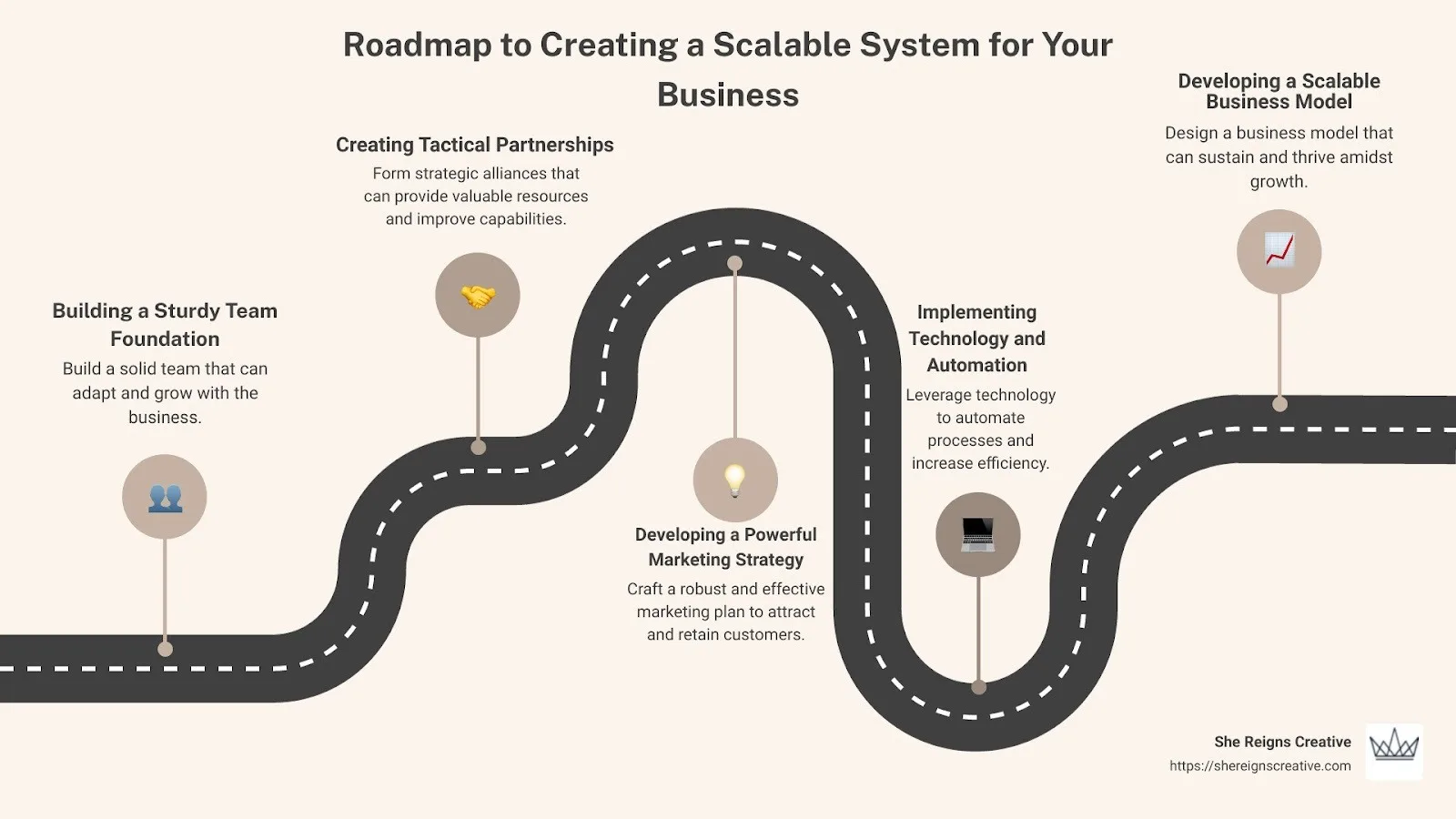
The only way to scale beyond this point is to remove the dependency on constant communication and replace it with structured workflows that produce consistent results regardless of who executes them.
The first step is stabilization. You identify the tasks that are currently causing the most coordination and reduce variability in how they are performed. This creates a baseline for improvement.
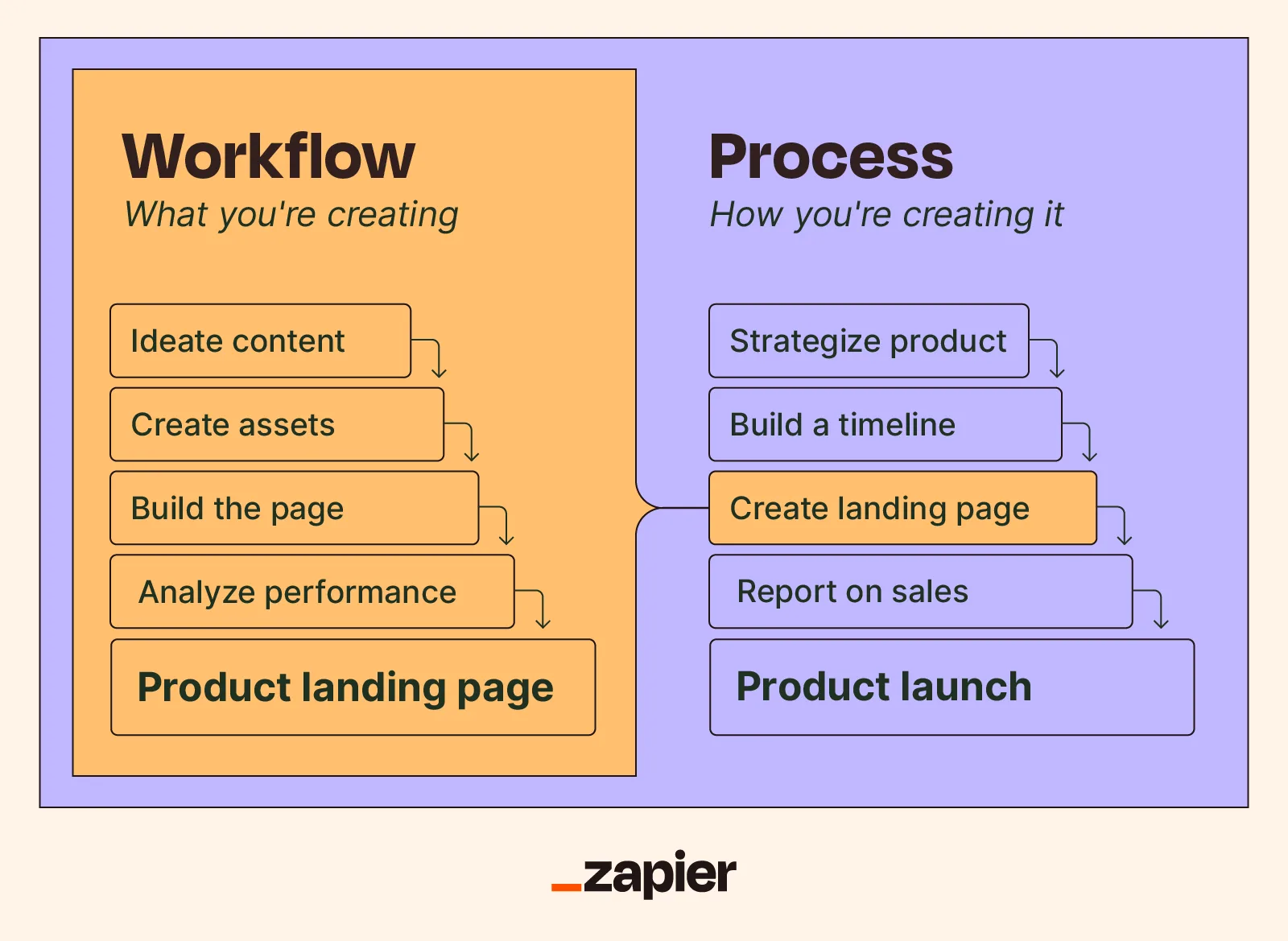
The second step is defining processes clearly, not as general instructions, but as structured workflows that eliminate ambiguity. Each step should be explicit, leaving no room for interpretation.
The third step is systemizing execution. Instead of relying on individuals to perform tasks manually, you introduce systems that standardize how work is done. This ensures consistency and reduces the need for constant oversight.
This is where most teams face resistance, because building and maintaining these systems manually requires time and technical effort. Managing environments, workflows, and execution layers quickly becomes complex.
This is exactly the type of problem Appilot is designed to solve.
Rather than having each team member operate independently and recreate workflows in their own way, Appilot allows you to run structured automation on real devices through a centralized system, ensuring that execution remains consistent regardless of who initiates it.
You could build similar infrastructure yourself using tools like Appium, but that involves managing devices, setups, and maintenance. Appilot removes that burden by handling the execution layer, allowing your team to focus on output rather than coordination.
The key shift here is not the tool itself, but the transition from people-driven execution to system-driven execution.
Why Systems Unlock Real Scalability
Once execution is systemized, the dynamics of your team change completely.
Tasks no longer depend on individual interpretation, which means results become predictable and consistent. This reduces rework and eliminates many of the inefficiencies that slow down growing teams.
Coordination overhead decreases because fewer decisions need to be made in real time. Instead of asking how something should be done, team members follow a defined system.
Bottlenecks are reduced because decision-making is embedded within the process rather than centralized in a single person.
Most importantly, adding new team members no longer increases complexity in the same way, because they are integrated into an existing system rather than creating new communication paths.
How to Prevent This Bottleneck From Coming Back
Scaling is not a one-time fix, it is an ongoing process that requires maintaining structure as the team evolves.
You ensure consistency by standardizing tools and environments so that everyone operates under the same conditions. Allowing variation at this level reintroduces inefficiency.
Monitoring becomes important because it allows you to detect where processes are breaking before they become larger issues.
Processes should evolve as your team grows, but they should always remain structured. Any step that requires interpretation is a potential source of inconsistency.
Common Mistakes That Keep Teams Stuck
One of the most common mistakes is hiring more people instead of fixing the structure, which increases complexity without improving efficiency.
Another mistake is over-relying on communication tools, assuming that better messaging will solve coordination problems, when in reality it often increases noise.
Some teams attempt to document processes but stop short of systemizing them, which means execution still depends on interpretation.
The most critical mistake is assuming that this plateau is normal and unavoidable, when in fact it is a clear signal that your current system needs to evolve.
Conclusion: Scaling Requires Systems, Not Just People
If your team cannot scale past five people, it is not because you lack talent or effort, but because your current structure is not designed for growth.
Once you shift from conversation-driven workflows to system-driven execution, the limitations begin to disappear.
You can continue trying to manage complexity manually, but as your team grows, that complexity will grow with it.
At some point, you either build systems to handle it or use tools that already do.
That is where platforms like Appilot fit in, not as a shortcut, but as a way to remove the operational burden of maintaining structured execution so your team can scale without slowing down.