Why You’re Afraid to Take a Day Off (And How to Fix It)
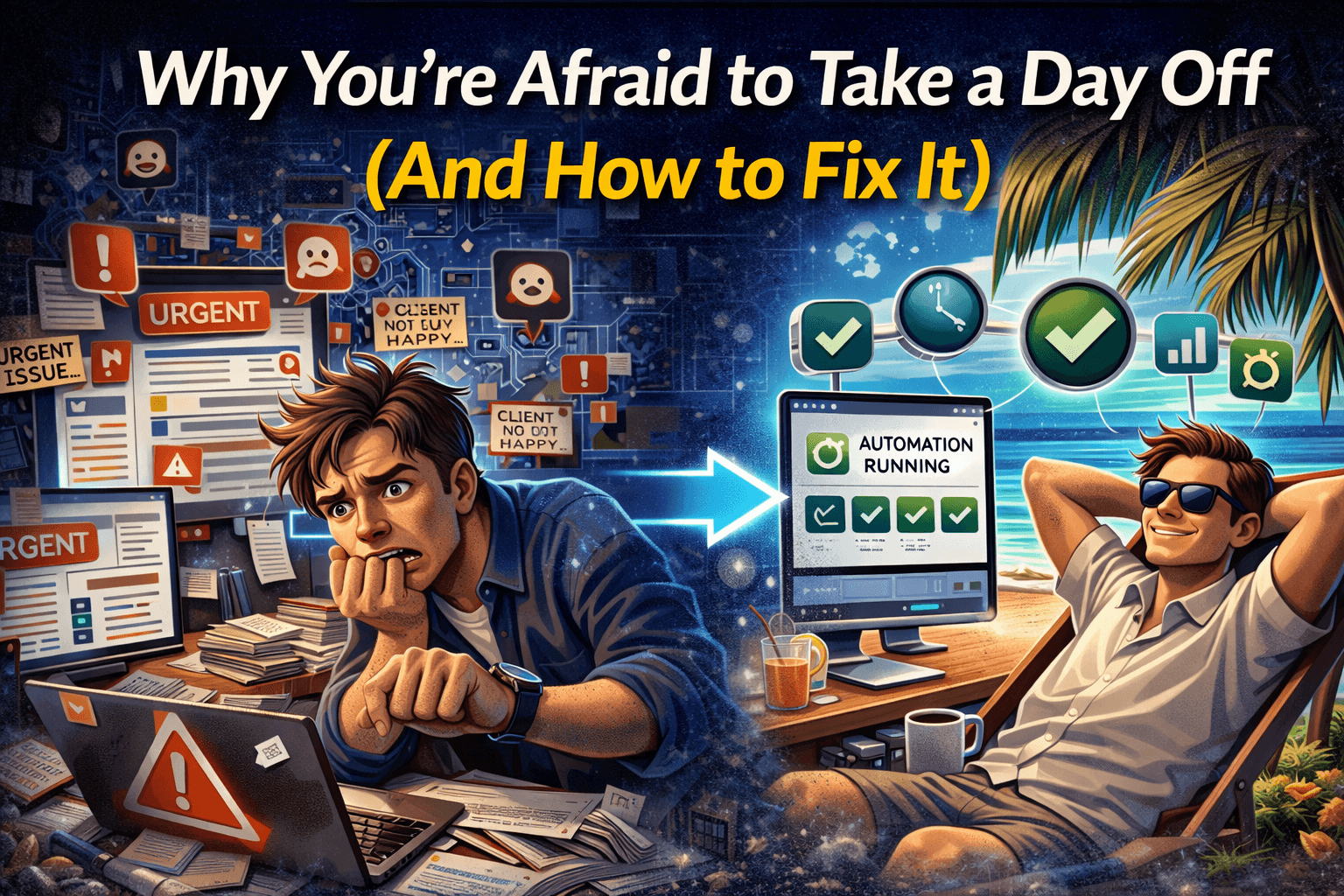
You think about taking a day off, maybe just one full day without checking messages, dashboards, or systems, but almost immediately that thought comes with a sense of hesitation, because deep down you are not fully confident that everything will keep running without your involvement.
It is not that you do not want rest, or that you enjoy being constantly plugged in, but there is a quiet awareness that things might slow down, something might break, a client might need something urgent, or a system might fail, and if you are not there to catch it, the consequences could stack up quickly.
So instead of stepping away, you compromise, you stay available, check things occasionally, respond when needed, and convince yourself that this is just part of running a business, even though it slowly turns into a pattern where you are never fully off, never fully present, and never truly resting.
From the outside, everything might look fine, operations are running, clients are being served, revenue is coming in, but internally, your business feels tightly coupled to your presence, as if it cannot fully function without you actively monitoring and guiding it.
You are not alone in this, and more importantly, this is not about discipline or mindset, it is about how your business is structured, because the reason you are afraid to take a day off is not irrational, it is based on real dependencies that exist in your system.
The good news is that once you understand where those dependencies come from and how to remove them, you can create a business that continues to operate smoothly even when you step away.
Why You Feel Like You Can’t Step Away
This fear does not come from nowhere, it is built over time through repeated experiences and system design choices.
Your Business Depends on Your Presence
If decisions, approvals, or fixes require your input, then stepping away naturally creates risk, because work cannot move forward without you.
Systems Are Not Fully Reliable
If your automation or workflows have failed in the past, even occasionally, it creates a lack of trust, making it difficult to leave them unattended.
Lack of Clear Monitoring and Alerts
Without reliable alerts, you feel the need to check manually, because there is no system in place to notify you when something goes wrong.
Responsibility Without Distribution
When most responsibilities sit with you, there is no safety net, and stepping away feels like leaving everything unattended.
The Hidden Cost of Never Taking Time Off
Not taking time off might feel like commitment, but over time it creates fatigue, reduces decision quality, and limits your ability to think strategically.
You become reactive instead of proactive, focused on maintaining operations rather than improving them.
More importantly, it prevents your business from becoming independent, because it continues to rely on your constant involvement.
The Complete Solution: Build a Business That Runs Without You
Fixing this problem requires shifting from a dependency-based system to a system-driven one, where operations continue without your direct involvement.
The first step is identifying areas where your presence is required and asking whether those dependencies are truly necessary or simply a result of how the system is currently designed.
Many tasks that seem to require your input can be standardized, documented, or automated, reducing the need for constant oversight.
The next step is building reliable monitoring and alert systems, ensuring that you are notified only when something requires attention, rather than needing to check continuously.
However, reliability depends heavily on how your workflows are executed, because unstable systems create more uncertainty and require more supervision.
This is where using a stable execution layer becomes important, and platforms like Appilot help by running automation on real devices, reducing inconsistencies and improving reliability.
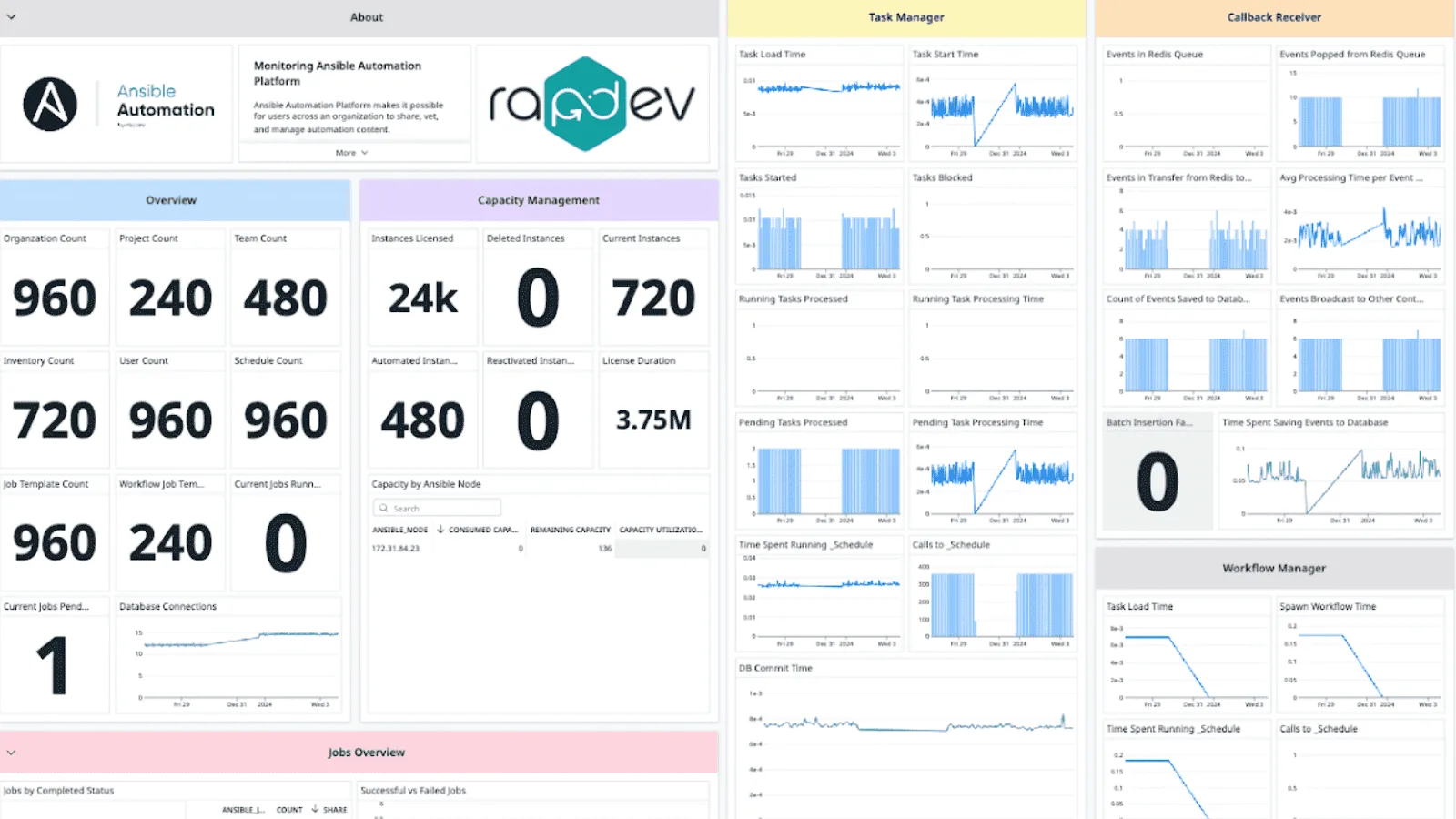
By combining structured processes, automation, and clear monitoring, you create a system where your business continues to operate even when you are not actively involved.
The final step is gradually testing your independence, starting with short periods away and increasing them over time as your confidence in the system grows.
How to Prevent This Dependency From Returning
Prevention starts with continuously evaluating your role in the business, ensuring that you are not unintentionally becoming a bottleneck again.
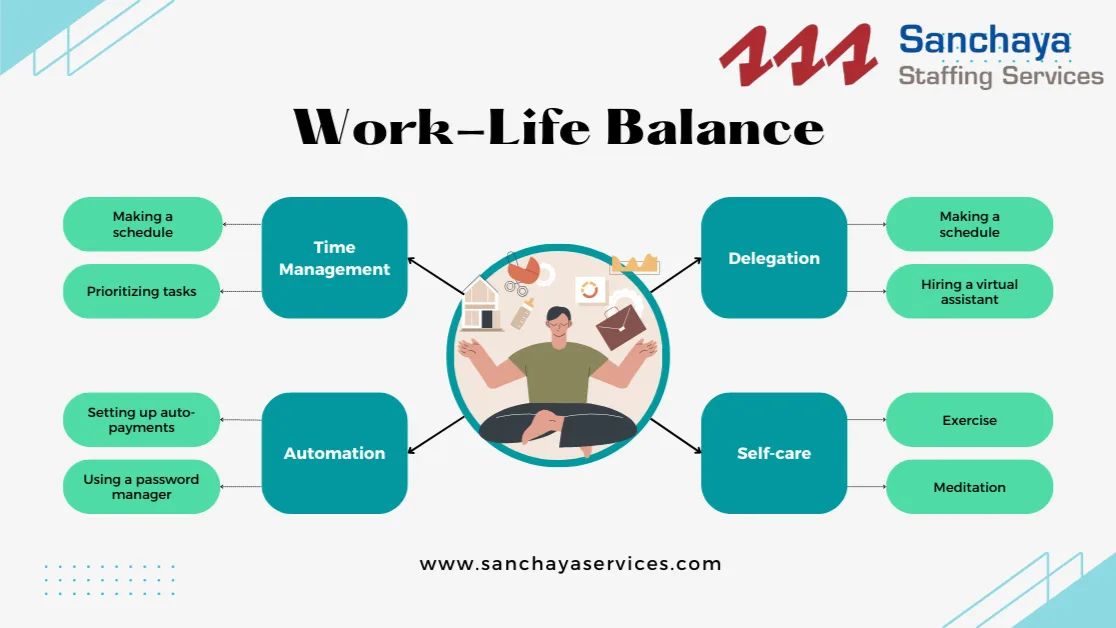
By maintaining clear processes, distributing responsibilities, and leveraging automation, you keep your system efficient and independent.
Regular reviews help you identify new dependencies early, allowing you to address them before they become significant issues.
Common Mistakes That Keep You Stuck
One of the most common mistakes is assuming that being involved in everything ensures quality, when in reality it creates dependency.
Another is delaying process documentation, which makes delegation and automation more difficult.
There is also a tendency to rely on manual monitoring instead of building proper alert systems.
Real Success Stories: Before and After
A business owner who felt unable to step away from their operations found that even short breaks created anxiety due to system dependencies.
After implementing structured processes and automation using Appilot, they were able to step away confidently, knowing that their business would continue running smoothly.
Another example involved a team that relied heavily on a single decision-maker, but after redistributing responsibilities and improving systems, they achieved greater independence and efficiency.
Frequently Asked Questions
One common question is whether it is realistic to have a business that runs without you, and while complete independence may not always be possible, significant reduction in dependency is achievable.
Another question is how long it takes to build such a system, and while it requires effort, the long-term benefits far outweigh the initial investment.
There is also the concern about losing control, and in reality, structured systems provide more control by making outcomes predictable.
Conclusion: Take Back Your Time
If you are afraid to take a day off, it is not because you lack discipline, but because your business is structured in a way that requires your presence.
Once you shift to a system-driven approach, where processes, automation, and monitoring handle operations, the need for constant involvement disappears.
If you are dealing with this right now, the best step forward is not to push yourself harder, but to redesign your system, because once you do, taking time off becomes not just possible, but natural.