Why You’re Paying for Features You Never Use (And How to Stop Wasting Money)

You Bought the Tool for One Thing… But Paid for Everything
At the time, it made sense. The tool promised to solve a specific problem, maybe scheduling, automation, analytics, or reporting, and the pricing tiers looked reasonable. The higher plan included more features, better limits, and “future flexibility,” so upgrading felt like the safe choice.
Then time passed.
You kept using the same core feature you originally needed, but everything else remained untouched. The advanced options, the extra integrations, the premium capabilities, they all sat there unused while the subscription continued every month.
Individually, it does not feel like a big loss. But when this happens across multiple tools, the cost adds up quickly, and you realize you are paying for far more than you actually use.
This is not a coincidence. It is a pattern built into how most tool stacks evolve.
Why You End Up Paying for Unused Features
The issue is not just pricing models, it is how decisions are made when building your stack.
The first cause is overbuying for future needs. You upgrade plans expecting to use advanced features later, but those needs either never come or are solved differently.
The second cause is unclear usage visibility. Most teams do not track which features are actually being used, so it becomes difficult to identify waste.
The third cause is bundled pricing. Tools often package multiple features together, which makes it impossible to pay only for what you need.
The fourth cause is habit. Once a tool is part of your workflow, it continues to be paid for, even if its usage declines over time.
The Hidden Cost of Unused Features
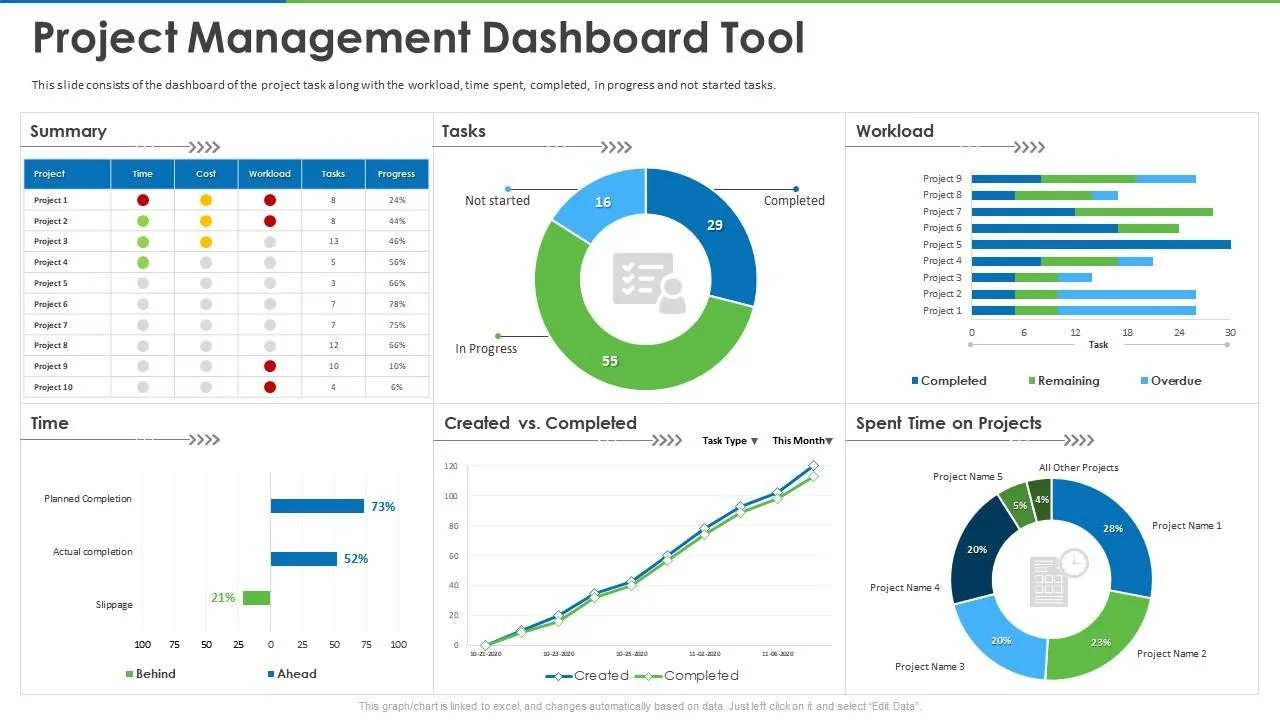
The financial waste is obvious, but the deeper impact is often overlooked.
Paying for unused features increases your overall tool cost without improving your output. This reduces efficiency because your spending is not aligned with your actual needs.
There is also a complexity cost. Tools with too many features can make workflows more complicated, even if most of those features are not used.
From a scaling perspective, this becomes a major issue. As your stack grows, unused features multiply, turning small inefficiencies into significant expenses.
The biggest problem is that this waste is invisible. It does not feel urgent, so it continues indefinitely.
The Real Problem: Your System Is Not Aligned With Your Workflow
The core issue is not the tools themselves, but the mismatch between what your workflow requires and what your tools provide.
When tools define your workflow instead of supporting it, you end up adapting to features you do not need instead of optimizing for what actually matters.
This creates a system where you are paying for potential instead of performance.
What you need is not cheaper tools, but a system that aligns with how you actually work.
The Complete Solution: Align Tools With Real Usage
The only way to eliminate waste is to bring your tool stack back in line with your actual workflow.
The first step is auditing usage. You identify which features are actively used and which are not, across all tools.
The second step is downgrading where possible. If you are not using premium features, there is no reason to pay for them.
The third step is consolidating tools. Instead of using multiple tools with overlapping features, you move toward systems that cover your core needs more efficiently.
This is where many teams struggle, because replacing or restructuring tools requires rethinking workflows.
This is also where tools like Appilot become relevant.
Instead of relying on multiple tools with large feature sets, Appilot focuses on structured execution through a centralized system, which reduces the need for additional features across different platforms.
You could attempt to optimize your stack manually by switching plans and tools, but maintaining that balance becomes complex as you scale. Appilot simplifies this by reducing dependency on feature-heavy tools and focusing on consistent workflows.
The key shift is moving from feature-driven decisions to workflow-driven systems.
Why Simpler Systems Save More Money
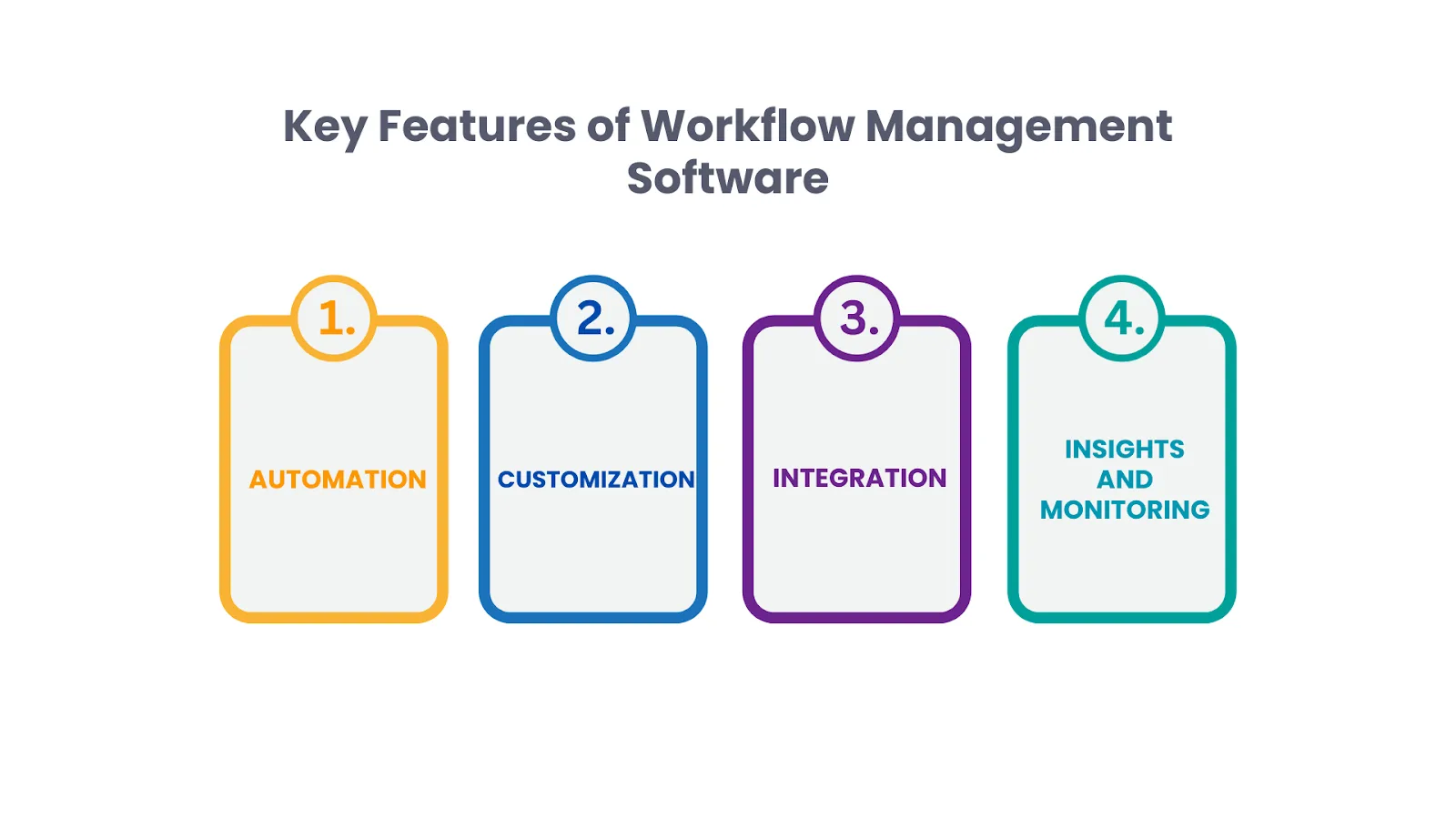
Once your system is aligned with your workflow, costs naturally decrease.
You stop paying for features you do not use because your tools are selected based on actual needs.
Your workflow becomes more efficient because it is not burdened by unnecessary complexity.
Your team becomes more productive because they operate within a focused system.
Most importantly, scaling becomes sustainable because costs grow in proportion to usage, not excess features.
How to Prevent This From Happening Again
Fixing this once is not enough. You need to maintain alignment as your system evolves.
You regularly review tool usage to ensure that features remain relevant.
You avoid upgrading plans unless there is a clear and immediate need.
You prioritize systems that match your workflow instead of adapting your workflow to tools.
Common Mistakes That Make This Worse
One of the most common mistakes is upgrading plans “just in case,” which leads to paying for unused features.
Another mistake is not tracking feature usage, which makes it difficult to identify waste.
Some teams keep tools out of habit, even when they are no longer needed.
The most critical mistake is assuming that more features mean better performance, when they often create more complexity.
Conclusion: You’re Not Paying for Tools, You’re Paying for Misalignment
If you are paying for features you never use, it is not because tools are overpriced, it is because your system is not aligned with your workflow.
Once you focus on what you actually need, simplify your stack, and structure your processes, the waste disappears naturally.
You can continue paying for excess features, but as your stack grows, the cost will grow with it.
At some point, you either build a system that matches your workflow or use one that already does.
That is where platforms like Appilot fit in, not as another feature-heavy tool, but as a way to simplify your system and reduce unnecessary costs by focusing on what actually matters.