Why YouTube Stopped Recommending Your Videos
The Views Suddenly Dropped Even Though You Kept Posting
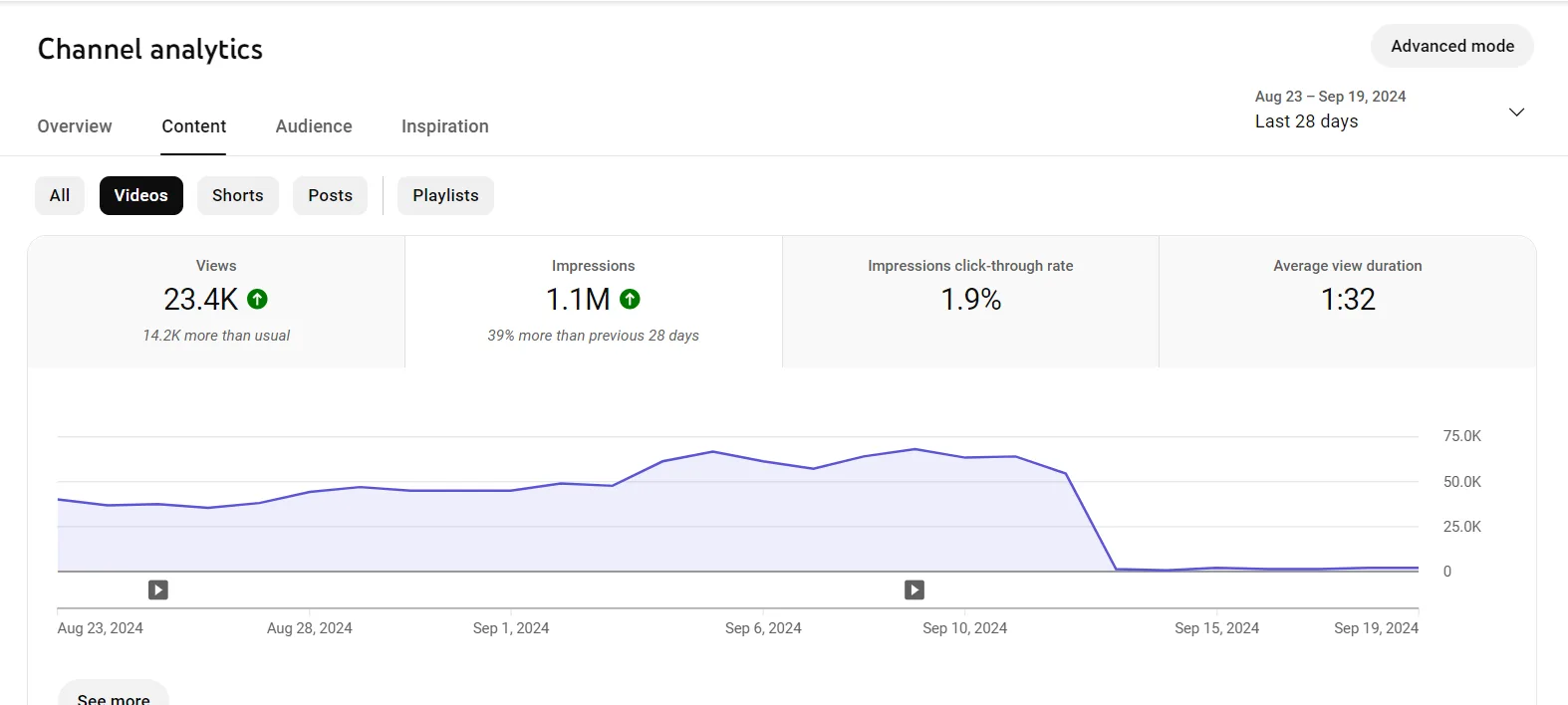
One of the most frustrating things for creators is when YouTube suddenly stops recommending their videos. At first the channel may be growing well, impressions are increasing, suggested video traffic is strong, and uploads get consistent views. Then suddenly everything slows down.
The videos are still being uploaded, but impressions fall, click-through rate drops, suggested traffic disappears, and the channel starts feeling invisible.
This becomes especially confusing because it often feels like nothing changed. The upload schedule is the same, the niche is the same, and the video format looks similar. But from YouTube’s point of view, several important signals may have changed behind the scenes.
The important thing to understand is that YouTube usually does not stop recommending videos randomly. In most cases, the platform sees weaker engagement signals, lower viewer satisfaction, or a mismatch between what the audience expects and what the channel is uploading.
Why YouTube Stops Recommending Videos
Most recommendation problems happen because viewers stop clicking, stop watching, or stop engaging with the content as strongly as before.
YouTube cares heavily about click-through rate, average view duration, watch time, audience retention, session length, likes, comments, shares, and whether viewers continue watching more videos afterward.
If the title and thumbnail no longer attract clicks, impressions can fall.
If viewers click but leave quickly, impressions can also fall because YouTube sees weaker viewer satisfaction.
The same thing happens if videos become repetitive, too long, too slow, or too different from what subscribers originally wanted.
The Biggest Mistake: Changing Too Much Too Quickly
One of the biggest reasons channels lose momentum is because the content changes too much.
For example, a channel may build an audience around tutorials, then suddenly start posting reaction videos, short clips, unrelated topics, or completely different formats.
That often confuses the audience.
Subscribers may stop clicking because the new content does not match what they originally followed the channel for.
Once click-through rate falls, YouTube may reduce impressions because the platform sees weaker audience interest.
The stronger approach is keeping content focused around the same core topic while testing new ideas gradually.
That gives YouTube clearer signals about who the videos are for.
Why Weak Thumbnails And Titles Hurt Recommendations
A lot of creators assume the video itself is the only thing that matters.
But YouTube often decides whether to recommend a video based on the thumbnail and title first.
If people do not click, YouTube has no reason to keep pushing the video.
This is why even strong videos can fail if the thumbnail is weak.
For example, titles that are too vague, thumbnails that look crowded, text that is hard to read, or visuals that look repetitive can all hurt click-through rate.
Over time, weaker click-through rates can make YouTube recommend the channel less often.
Why Audience Retention Matters So Much
Audience retention is one of the strongest recommendation signals on YouTube.
If viewers click but leave within the first few seconds, YouTube sees that as a sign that the content did not match expectations.
This often happens because the intro is too slow, the video takes too long to get to the point, or the title and thumbnail promise something different than the video actually delivers.
The strongest videos usually hook the audience quickly, keep a fast pace, and avoid unnecessary filler.
Even small changes in the first 30 seconds can have a major impact on whether YouTube keeps recommending the video.
Why Upload Consistency Still Matters
A lot of channels lose momentum because they stop uploading consistently.
If the channel disappears for weeks or months, audience behavior changes and YouTube may stop seeing the channel as active.
That does not mean you need to upload every day.
But long gaps, inconsistent posting, and unpredictable schedules often make growth much harder.
Consistency helps YouTube understand when viewers expect content and helps the audience stay engaged.
Why Better Content Systems Matter
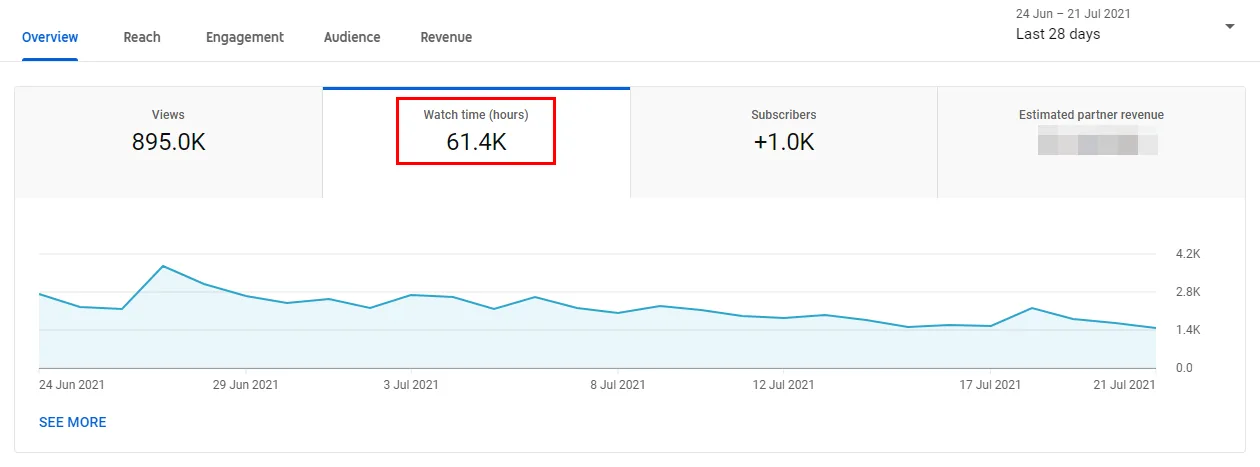
Recommendation problems become much harder to manage when video ideas, scripts, thumbnails, publishing schedules, analytics, and content reviews are spread across different systems. You may have one place for ideas, another for thumbnails, another for editing notes, and another for analytics. That makes it difficult to see which patterns are helping videos grow and which ones are hurting the channel.
This is one of the reasons Appilot becomes useful when content operations start scaling. Instead of keeping browser workflows, Android automations, content calendars, thumbnail notes, script ideas, publishing schedules, analytics reviews, and task history spread across different systems, everything can stay visible from one dashboard. That makes it easier to compare video performance, organize upload schedules, review thumbnail tests, and improve channel growth across multiple content formats.
Conclusion: YouTube Usually Stops Recommending Videos When Engagement Signals Get Weaker
If YouTube stopped recommending your videos, the issue is usually not that the platform randomly decided to stop helping the channel. The problem is often that click-through rate, audience retention, watch time, consistency, or content relevance became weaker over time.
Once you improve thumbnails, strengthen titles, keep viewers watching longer, and stay more consistent with the type of content you publish, it becomes much easier to recover impressions and start growing again.