YouTube Community Guidelines Strike: How to Avoid and Remove
One Strike Can Suddenly Put The Whole Channel At Risk
One of the most stressful things for creators is receiving a YouTube Community Guidelines strike. A single strike can stop uploads, remove videos, limit livestreams, and create fear that the entire channel could disappear if another strike happens.
This becomes especially frustrating because YouTube often gives very little detail about what exactly triggered the strike. Instead of clearly showing the sentence, clip, thumbnail, or moment that caused the problem, the platform may simply label the video under a broad policy category.
That leaves creators trying to figure out whether the problem came from the title, the thumbnail, the video topic, the footage, the language, or something inside the description.
The important thing to understand is that YouTube strikes usually do not happen because of one random mistake. In most cases, the platform sees something in the content that appears dangerous, misleading, harmful, violent, spammy, or against its policies.
Why YouTube Gives Community Guidelines Strikes
Most strikes happen because YouTube believes the video includes restricted content.
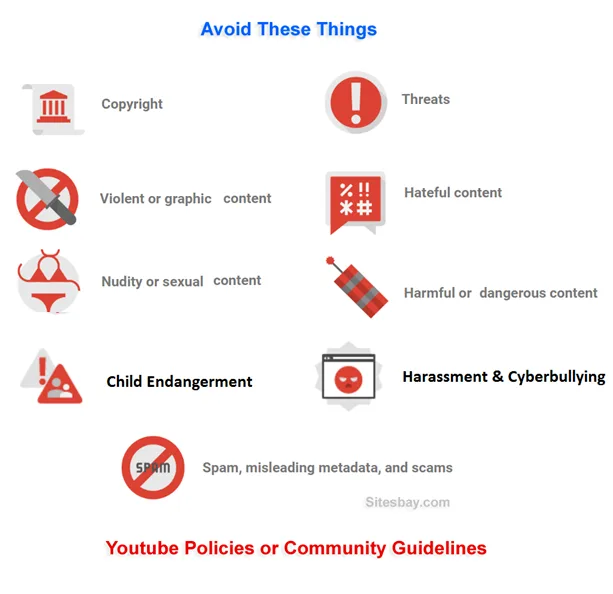
For example, dangerous activities, hate speech, graphic violence, scams, harassment, medical misinformation, copyright abuse, spam, adult content, or misleading claims can all create strike risk.
The same thing can happen if the video encourages risky behavior, gives instructions for harmful actions, shows violent footage without enough context, or uses shocking thumbnails and titles.
YouTube also looks at the broader context of the channel.
If multiple videos already sit close to policy limits, the risk of future strikes becomes much higher.
The Biggest Mistake: Ignoring The Strike And Hoping It Goes Away
One of the biggest mistakes creators make is ignoring the strike completely.
A strike does not just disappear immediately.
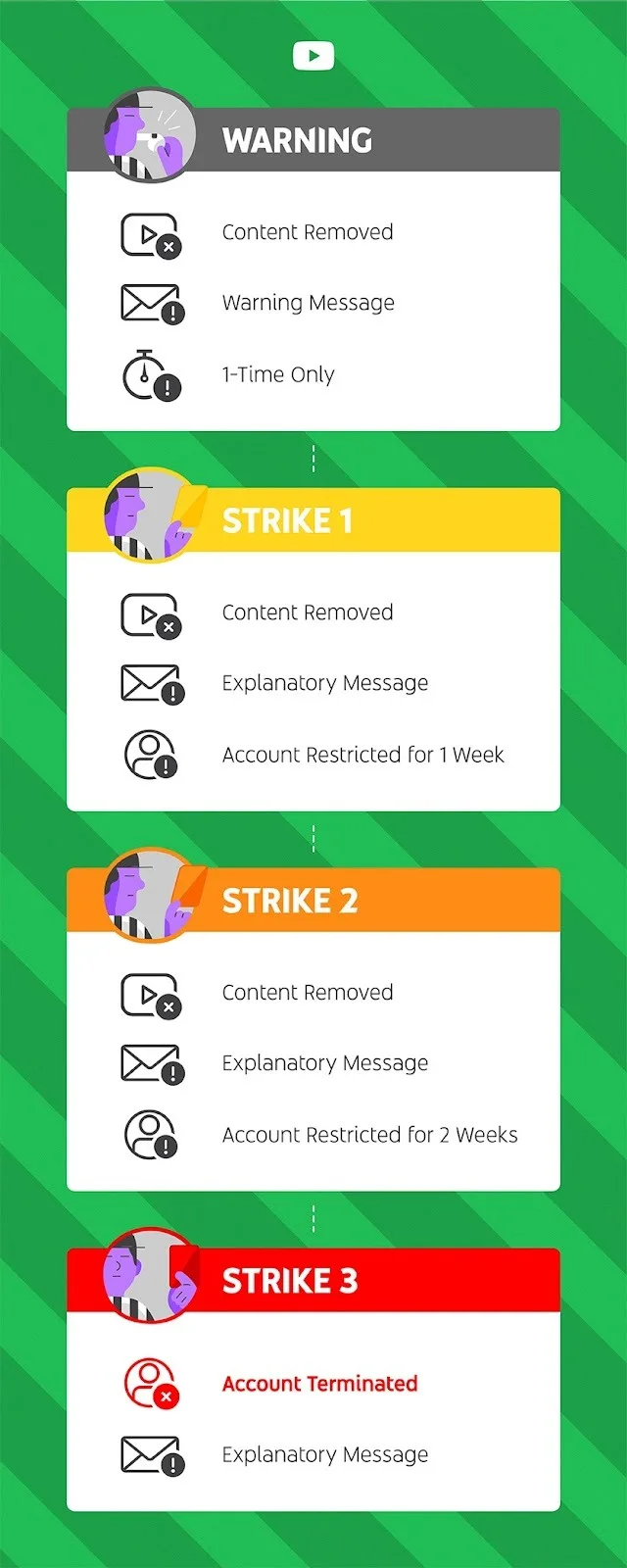
If the channel keeps uploading similar content without understanding what caused the strike, the risk of a second or third strike becomes much higher.
That can lead to much bigger restrictions or even channel termination.
The stronger approach is reviewing the affected video carefully.
Look at the title, thumbnail, wording, footage, topic, and editing style.
Ask yourself whether the content could be interpreted as dangerous, misleading, hateful, explicit, or harmful from YouTube’s point of view.
Even if you believe the strike was unfair, it is still important to understand what may have triggered the system.
Why Titles And Thumbnails Cause So Many Problems
A lot of creators assume the strike came from the video itself when the real issue is often the title or thumbnail.
YouTube pays close attention to titles and thumbnails because they shape what viewers expect.
If the title is too aggressive, misleading, shocking, or exaggerated, the channel becomes more likely to get flagged.
The same thing happens with thumbnails that include violence, nudity, blood, shocking facial expressions, or highly emotional wording.
Even if the video itself is relatively safe, the packaging around it can still create strike risk.
How To Appeal A Strike
A good appeal should stay calm, clear, and focused on why you believe the content follows YouTube policies.
Do not attack YouTube, complain emotionally, or send a generic message saying the strike is unfair.
Instead, explain the purpose of the video, the context behind the content, and why you believe it does not violate the guidelines.
For example:
I reviewed the video carefully and believe it follows YouTube Community Guidelines. The content was created for informational and educational purposes and was not intended to encourage harmful, dangerous, or misleading behavior. The title, thumbnail, and video context were designed to explain the topic responsibly. I respectfully request another review of the strike.
Why Better Content Systems Reduce Strike Risk
Strike problems become much harder to manage when scripts, thumbnails, titles, editing notes, publishing schedules, and policy reviews are spread across different systems. You may have one place for raw footage, another for thumbnails, another for titles, and another for publishing. That makes it difficult to see which content patterns are creating risk.
This is one of the reasons Appilot becomes useful when content operations start scaling. Instead of keeping browser workflows, Android automations, content notes, thumbnail reviews, title drafts, publishing schedules, and task history spread across different systems, everything can stay visible from one dashboard. That makes it easier to compare risky content patterns, review flagged videos, organize channel operations, and reduce the chance of future strikes.
Conclusion: Most Community Guidelines Strikes Happen Because Something Looks Risky To YouTube
If your channel received a YouTube Community Guidelines strike, the issue is usually not that YouTube randomly decided to punish the channel. The problem is often that the video, title, thumbnail, wording, or broader content pattern looked dangerous, misleading, or too close to restricted content.
Once you review the content carefully, improve the packaging, remove risky elements, and submit a stronger appeal, it becomes much easier to reduce the chance of future strikes and protect the channel long term.