YouTube Demonetized Your Channel? Here's the Appeal Process
The Channel Was Earning Fine Until Monetization Suddenly Disappeared
One of the most frustrating things for creators is waking up and seeing that YouTube monetization has been removed. The channel may still be getting views, subscribers, and watch time, but the ad revenue suddenly stops.
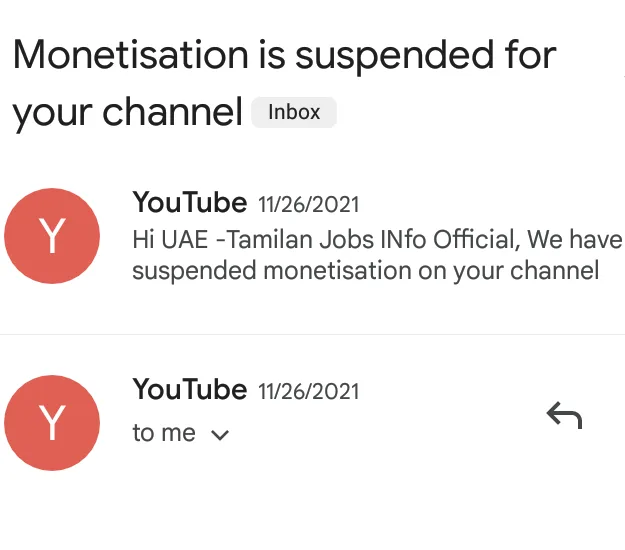
This becomes especially painful because demonetization often happens without much warning. Instead of giving a very specific explanation, YouTube may simply say the channel no longer meets monetization policies, contains reused content, has repetitive content, or violates advertiser-friendly guidelines.
That leaves creators trying to figure out what actually caused the problem.
The important thing to understand is that demonetization usually does not happen because of one single video. In most cases, YouTube sees a pattern across the channel that makes it look low quality, repetitive, risky, or not original enough.
Why YouTube Removes Monetization
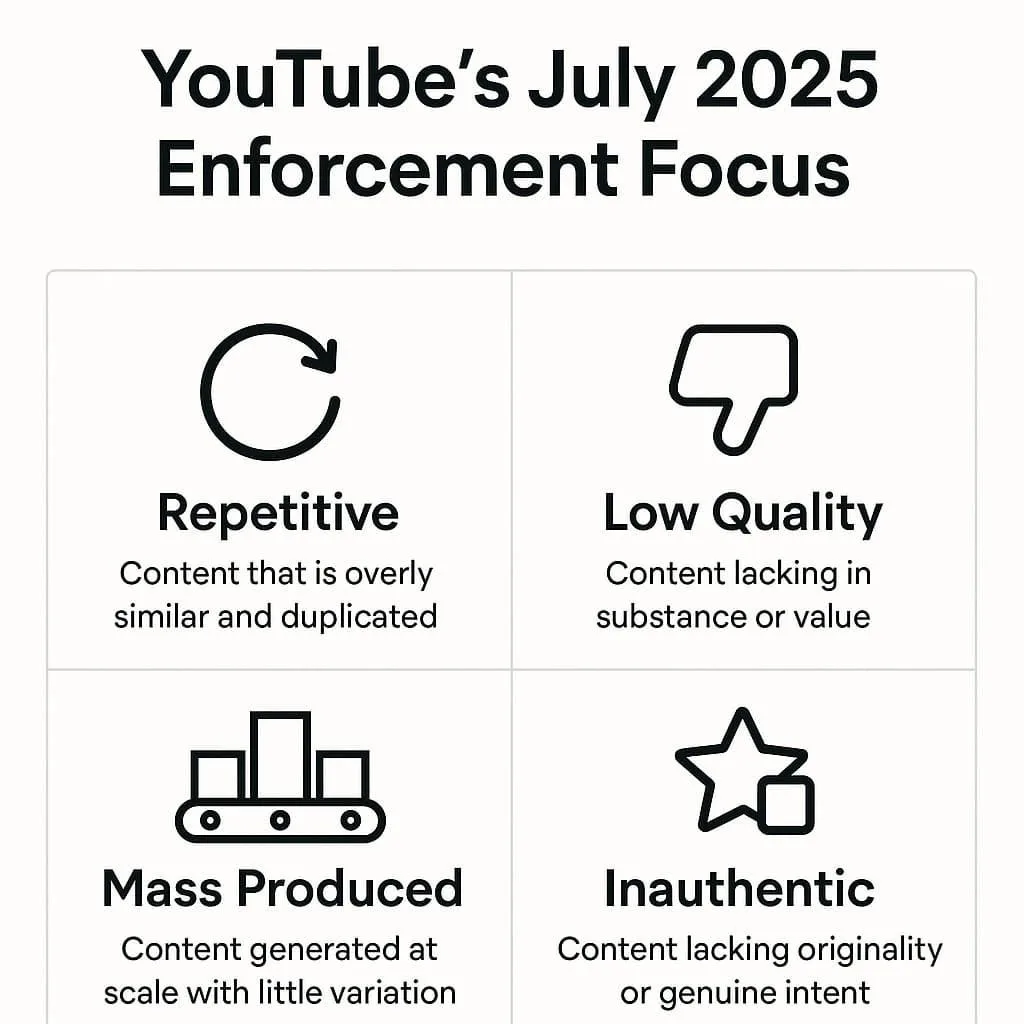
Most demonetization issues happen because YouTube believes the content is too repetitive, too heavily reused, too automated, too short, or too low effort.
For example, channels that reuse clips from other creators, repost content from TikTok, use AI voiceovers without enough original commentary, upload slideshow videos, recycle the same format repeatedly, or publish videos with little editing are much more likely to lose monetization.
The same thing can happen if the channel focuses on controversial topics, unsafe content, shocking thumbnails, misleading titles, or advertiser-unfriendly themes.
YouTube wants to see content that feels original, valuable, and created for real viewers.
If the channel looks like it was built mainly to generate ad revenue with minimal effort, demonetization risk becomes much higher.
The Biggest Mistake: Appealing Without Changing Anything
One of the biggest mistakes creators make is submitting an appeal immediately without fixing the channel first.
If YouTube already reviewed the channel and decided it did not meet monetization standards, sending the same channel back without changes usually leads to another rejection.
The stronger approach is reviewing the channel carefully before appealing.
Look at the videos, thumbnails, titles, descriptions, editing style, voiceovers, and content structure.
Ask yourself whether the content feels original enough. Check whether too many videos follow the exact same pattern. Review whether the channel depends too heavily on reused clips, AI voices, or minimal editing.
If there are low-quality or repetitive videos, it is often better to delete them, unlist them, or improve the content before appealing.
Why Reused Content Causes So Many Problems
Reused content is one of the biggest reasons channels lose monetization.
YouTube wants to reward channels that add original value.
For example, simply reposting clips from movies, podcasts, news broadcasts, TikTok videos, sports highlights, or other creators without strong editing and commentary is much more likely to trigger demonetization.
The same thing happens with fully automated channels that use stock footage, AI-generated voices, generic scripts, and no clear personal input.
That does not mean you can never use outside content.
You can still use clips, screenshots, reactions, or commentary if you are adding enough original value through editing, explanation, criticism, storytelling, or education.
How To Write A Strong Appeal
A good YouTube appeal should stay calm, clear, and focused on the changes you made.
Do not complain emotionally, blame YouTube, or send a generic message saying the channel deserves monetization.
Instead, explain that you reviewed the channel, improved the content, removed repetitive videos, and made the channel more original.
For example:
I reviewed the channel carefully and made updates to improve originality and content quality. I removed or updated videos that may have looked repetitive or too similar to existing content. The channel now includes more original commentary, editing, and unique value for viewers. I believe the content now follows YouTube monetization policies and would appreciate another review.
Why Better Systems Reduce Demonetization Risk
Monetization problems become much harder to manage when scripts, thumbnails, editing notes, video ideas, channel history, and content reviews are spread across different systems. You may have one place for raw footage, another for scripts, another for editing, and another for publishing. That makes it difficult to see which content patterns may be creating risk.
This is one of the reasons Appilot becomes useful when content operations start scaling. Instead of keeping browser workflows, Android automations, video notes, content calendars, thumbnail reviews, publishing schedules, and task history spread across different systems, everything can stay visible from one dashboard. That makes it easier to compare video formats, review repetitive content patterns, organize publishing workflows, and reduce the risk of future demonetization.
Conclusion: Demonetization Usually Happens When YouTube Thinks The Channel Feels Too Repetitive Or Low Quality
If YouTube demonetized your channel, the issue is usually not that one single video caused everything. The problem is often that YouTube sees a broader pattern of reused content, repetitive uploads, weak editing, or low originality across the channel.
Once you improve the content, remove repetitive videos, add stronger original value, and submit a cleaner appeal, it becomes much easier to get monetization back and reduce the risk of future problems.