Zero-Knowledge Browsing: Is It Possible?
As privacy concerns grow, the idea of “zero-knowledge browsing” has gained attention. It suggests a browsing experience where no personal data is exposed, stored, or tracked by websites, networks, or third parties. While this concept is appealing, the reality of how the web works makes true zero-knowledge browsing extremely difficult to achieve.
Understanding this concept is important because it highlights the limits of online privacy and the technologies that attempt to approach it. This guide explains what zero-knowledge browsing means and whether it is realistically possible.
What Is Zero-Knowledge Browsing?
Zero-knowledge browsing refers to a theoretical state where a user can browse the internet without revealing any identifiable information, where no data about the user’s identity, behavior, or device is exposed to websites or intermediaries. In this model, the browser would not share IP addresses, device details, or interaction patterns, and no data would be stored or tracked.
The Core Idea Behind Zero-Knowledge Privacy
The core idea behind zero-knowledge privacy is complete data minimization, where only the absolute minimum information required for functionality is shared, ideally none that can identify the user. This concept is inspired by zero-knowledge principles in cryptography, where one party proves something without revealing underlying information.
Why True Zero-Knowledge Browsing Is Difficult
True zero-knowledge browsing is difficult because the internet fundamentally requires data exchange, where servers need information such as IP addresses, requests, and device capabilities to deliver content.
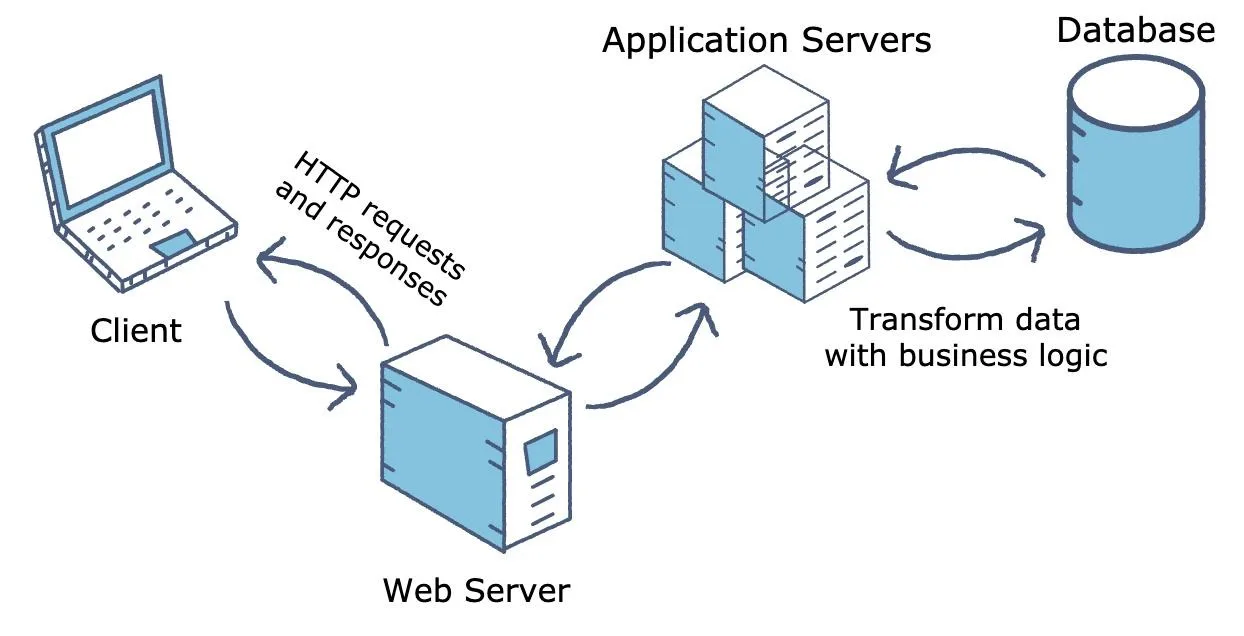
Without sharing any information, websites would not be able to respond or function properly. This makes complete zero-knowledge browsing impractical in most real-world scenarios.
Data That Is Always Exposed
Even with strong privacy measures, certain data is inherently exposed during browsing, where IP addresses reveal network location, HTTP requests indicate what content is being accessed, and browser capabilities determine how pages are rendered. These elements are essential for communication and cannot be fully hidden without breaking functionality.
Approaches That Move Toward Zero-Knowledge
While true zero-knowledge browsing is not achievable, several technologies aim to minimize data exposure, where privacy-focused browsers reduce tracking signals, network tools mask IP addresses, and encryption protects data in transit. These approaches do not eliminate data sharing but reduce the amount and usefulness of exposed information.
Encryption and Secure Communication
Encryption plays a key role in privacy by ensuring that data exchanged between the browser and server cannot be easily intercepted, where protocols like HTTPS protect the content of communication even if some metadata remains visible. This improves privacy but does not eliminate tracking entirely.
Anonymity Networks and IP Masking
Anonymity networks attempt to hide user identity by routing traffic through multiple nodes, where this masks the original IP address and makes tracking more difficult. However, these systems still involve data exchange and can introduce performance trade-offs and potential vulnerabilities.
Fingerprinting and Behavioral Tracking
Even when identifiers like cookies are removed, fingerprinting and behavioral tracking can still identify users, where browser characteristics and interaction patterns create unique profiles. This highlights the challenge of achieving zero-knowledge browsing, as identification can occur without explicit data storage.
Trade-Offs Between Privacy and Functionality
Achieving higher levels of privacy often comes with trade-offs, where restricting data can affect website functionality, performance, and user experience. Some services require user identification or personalization, making complete anonymity incompatible with certain use cases.
Zero-Knowledge vs Practical Privacy
Zero-knowledge browsing represents an ideal, while practical privacy focuses on reducing exposure rather than eliminating it, where real-world solutions aim to balance usability and privacy. This includes limiting tracking, protecting data, and giving users more control over their information.
Zero-Knowledge vs Real-Device Environments
A key distinction in modern privacy is the difference between theoretical anonymity and realistic system behavior, where extreme modifications to achieve anonymity can create unusual patterns that stand out. Real-device environments operate with natural hardware and browser signals, and tools like Appilot follow this approach by running automation on real Android devices, ensuring that behavior and system characteristics remain consistent with real-world usage. This reduces anomalies while maintaining functionality.
When Zero-Knowledge Concepts Matter Most
Zero-knowledge concepts are most relevant in scenarios where privacy is critical, such as sensitive communications, secure transactions, or research activities, where minimizing data exposure is a priority. In these contexts, understanding the limits of privacy helps in choosing appropriate tools.
Frequently Asked Questions
Q: What is zero-knowledge browsing?
It is browsing without revealing any user data.
Q: Is it possible?
Not fully, due to how the internet works.
Q: What data is always exposed?
IP address, requests, and browser capabilities.
Q: Can privacy tools achieve it?
They can reduce exposure but not eliminate it.
Q: What is the main limitation?
Web communication requires data exchange.
Q: How do real-device solutions compare?
Real-device solutions like Appilot maintain natural behavior while minimizing anomalies, balancing privacy and functionality.
Key Takeaways
Zero-knowledge browsing is an ideal concept where no user data is exposed, but it is not fully achievable due to the fundamental requirements of the internet. While technologies such as encryption, anonymity networks, and privacy-focused browsers can reduce data exposure, they cannot eliminate it entirely. Understanding these limitations is essential for managing expectations and improving online privacy.